
Retrofit vs New Construction: Installing Recessed Urinal Flush Systems in Commercial Buildings
Recessed urinal flush systems offer improved durability, hygiene, and modern aesthetics compared to exposed flushometers. However, installation requirements differ significantly between retrofit applications and new construction projects. Proper planning ensures long-term performance and reduced service interruptions.
New Construction Installation Strategy
In new construction projects, recessed flush systems can be integrated during wall framing and plumbing rough-in stages.
- Wall cavity coordination with plumbing design
- Power routing (AC or hybrid systems)
- Structural support for carrier systems
- Flush volume calibration during commissioning
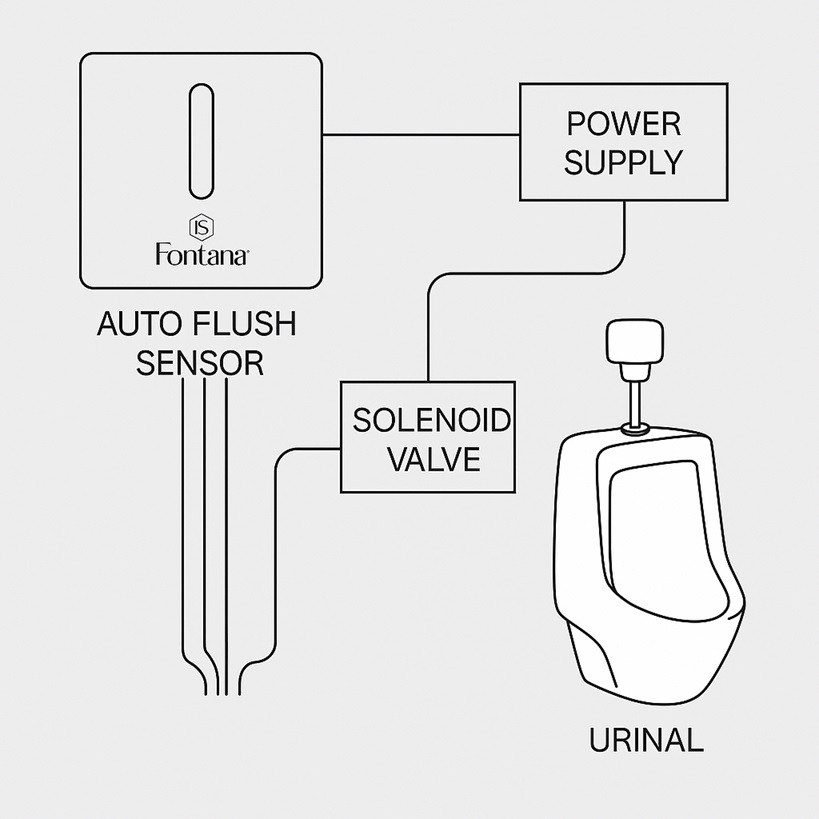
Retrofit Installation Considerations
Retrofitting from exposed flushometers to recessed systems requires wall modification and structural assessment.
- Existing plumbing line compatibility
- Wall opening and reinforcement
- Electrical routing (if upgrading to hardwired)
- Temporary restroom shutdown planning
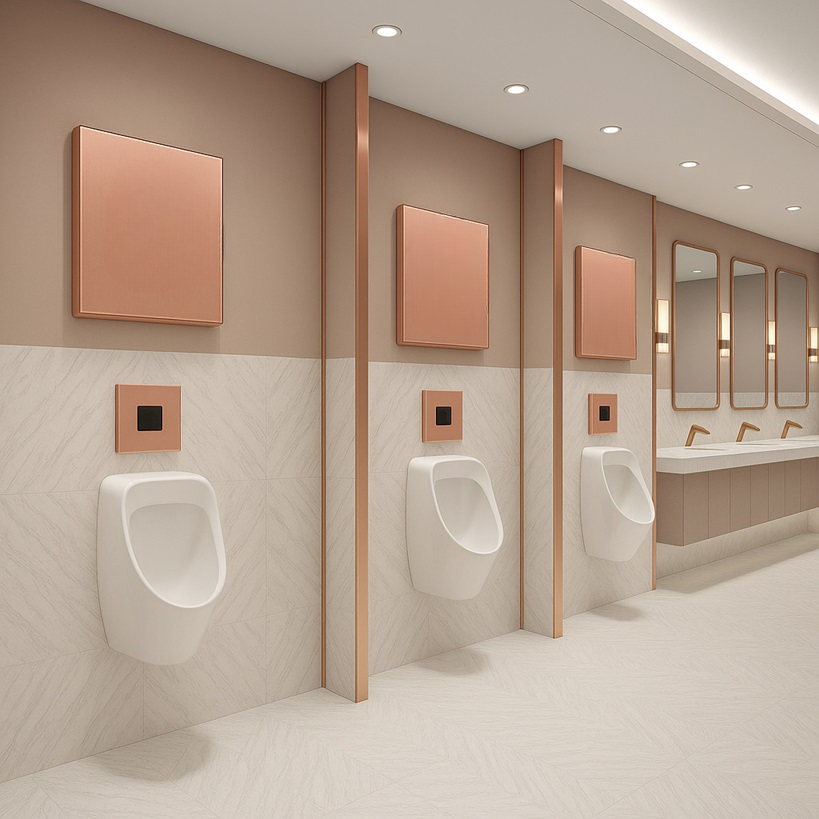
Environment-Based Retrofit Planning
✈ Airports
- Phased installation by restroom zones
- Night-time work scheduling
- Hardwired upgrade preferred
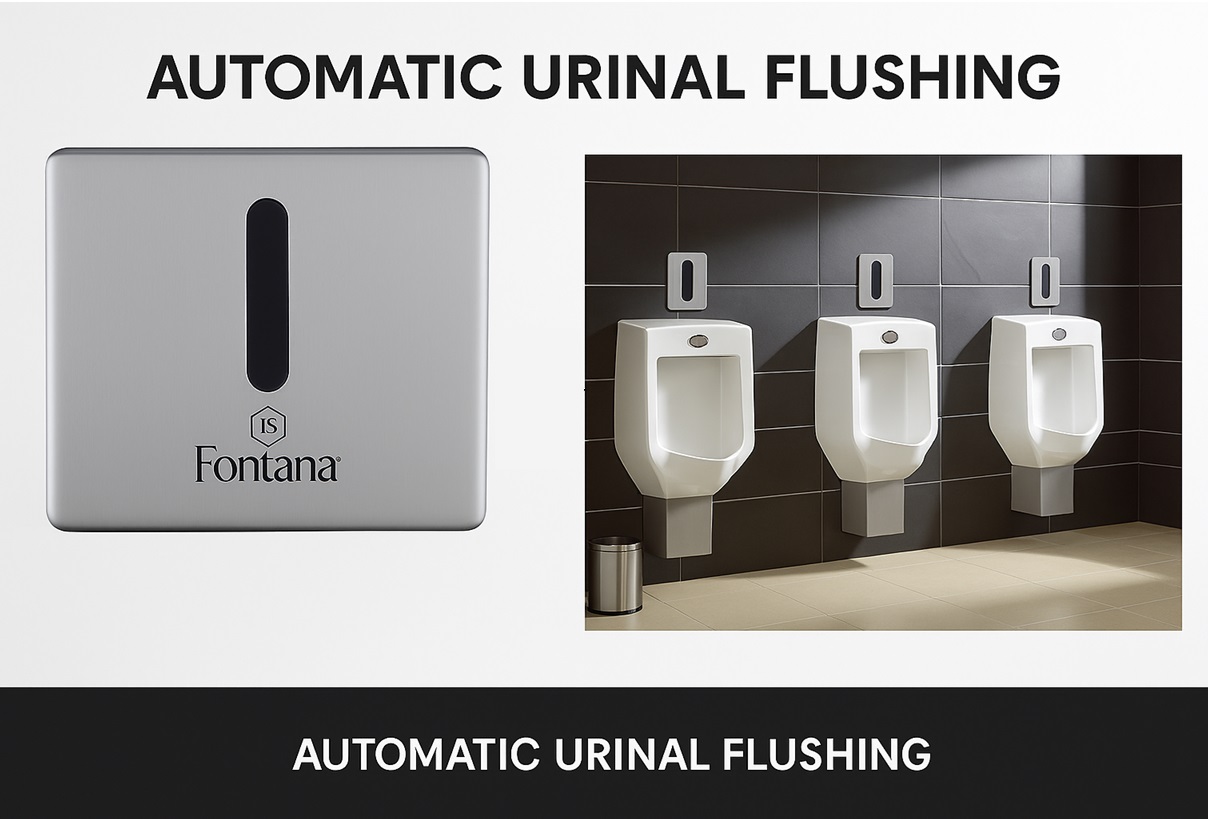
🏢 Office Buildings
- Weekend installation scheduling
- Battery-powered systems to reduce electrical disruption
🏫 Schools
- Summer break installation recommended
- Anti-vandal upgrades during retrofit
🏨 Hospitality
- Floor-by-floor renovation strategy
- Noise mitigation planning
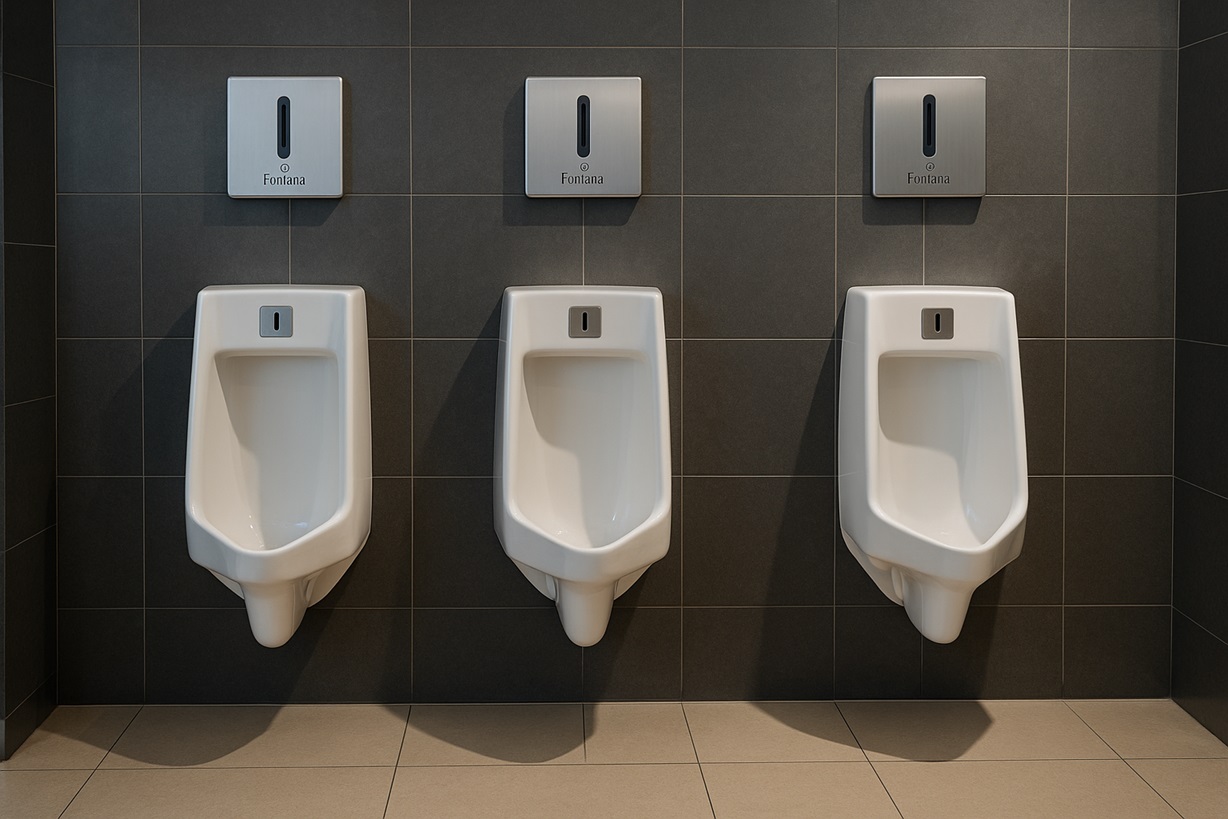
Exposed vs Recessed: Structural Differences
- Exposed flushometers require less wall modification
- Recessed systems provide concealed durability
- Improved vandal resistance
- Enhanced architectural appearance
Internal Links
- Commercial Urinal Auto Flush Valves
- Fontana Auto Flush Series
- Automatic Flush Valve Collection
- Urinal Installation FAQ
Recessed urinal flush systems deliver superior durability and architectural refinement, but installation strategy must align with building lifecycle stage and operational constraints.