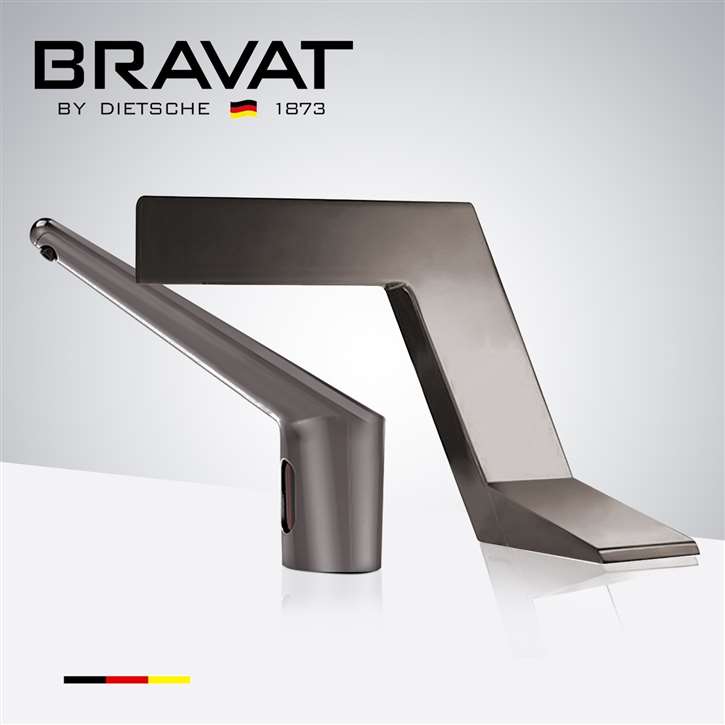
Wash Station • Fixture Coordination
Coordinating Faucets and Soap Dispensers as One Wash Station
When faucets and soap dispensers are specified separately, users may experience inconsistent activation and awkward hand movement. Fontana coordinated systems help create a smoother, cleaner wash station.
Table of Contents
- Why Coordinate Faucets & Soap Dispensers
- Common Coordination Problems
- Finish Coordination Guide
- Benefits of Coordinated Wash Stations
- Best Practices for Wash Station Design
- Coordinated vs Separate Specification
- Frequently Asked Questions
Why Coordinate Faucets and Soap Dispensers as One Wash Station?
In modern commercial restroom design, the handwashing zone should function as a single, intuitive unit — not separate components specified in isolation. When faucets and soap dispensers are coordinated as one wash station, users experience consistent sensor activation, natural hand movement, and seamless transitions between soap and water.
Fontana coordinated systems eliminate the guesswork of mixing different brands, finishes, and sensor technologies. Architects and designers can specify complete wash station solutions where every component shares the same design language, finish consistency, and activation logic — creating professional, hygienic environments that users appreciate.
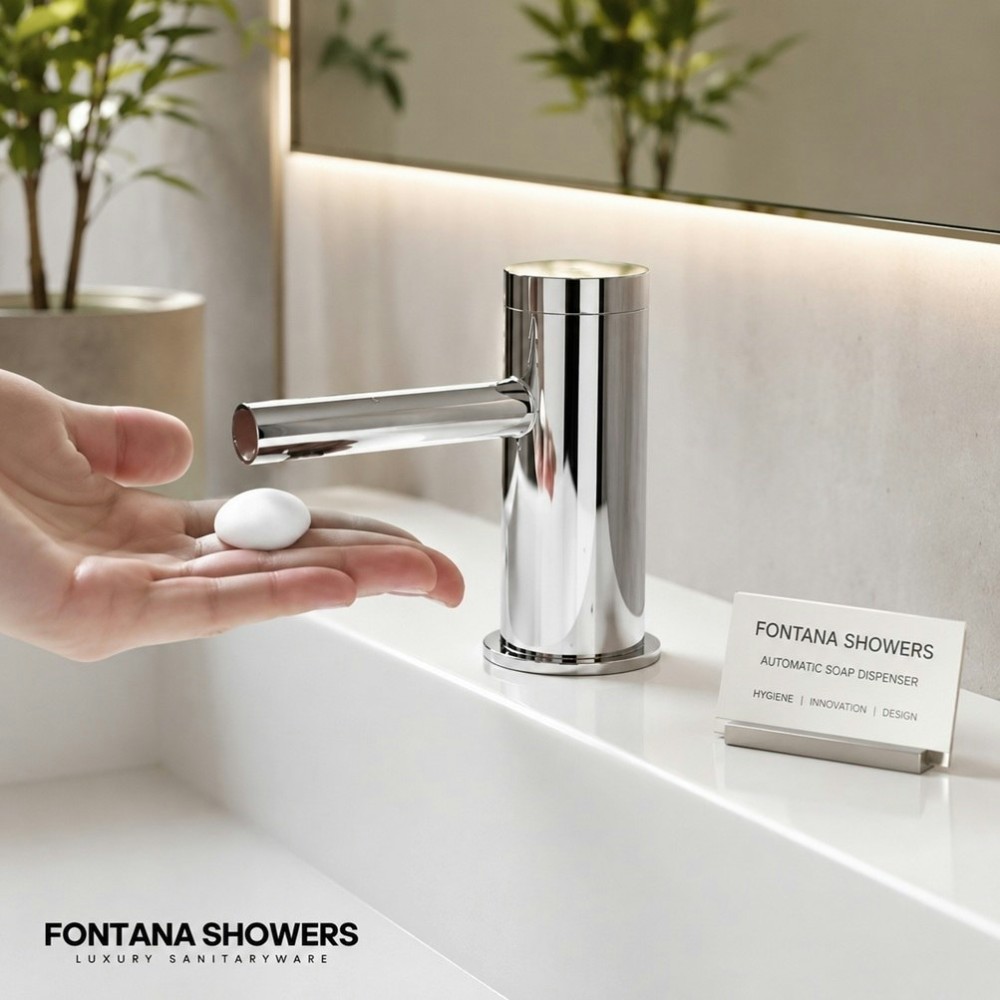
Common Problems When Specifying Faucets and Soap Dispensers Separately
Inconsistent Activation Zones
Different sensor ranges confuse users — faucet detects at 4″, soap at 2″
Mismatched Finishes
Different brands have subtle color variations that create visual discord
Awkward Hand Movement
Poor placement forces unnatural motion between soap and water
Mixed Operation Types
Touchless faucet with manual soap dispenser creates user confusion
Different Power Sources
Mixed battery and hardwired systems increase maintenance complexity
Varying Maintenance Needs
Multiple brands = multiple service protocols and parts inventories
Finish Coordination Guide for Wash Stations
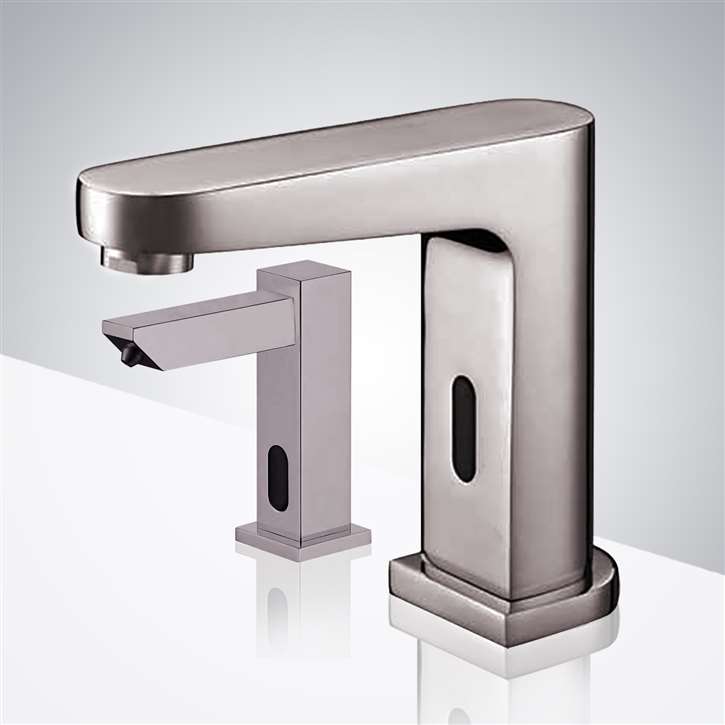
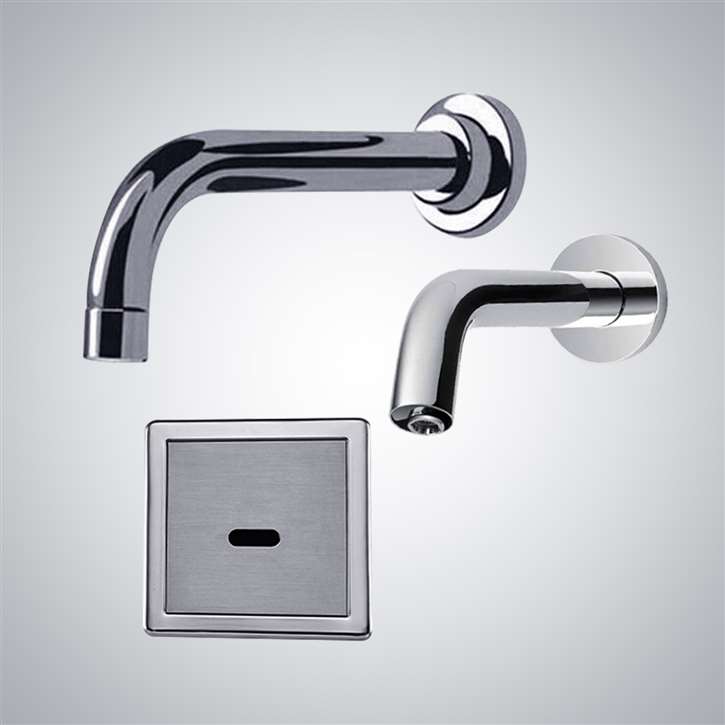
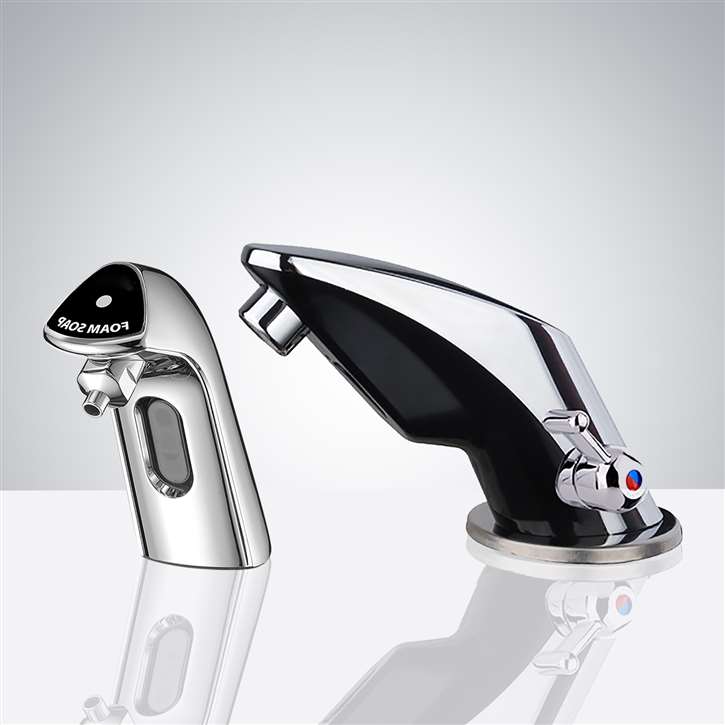
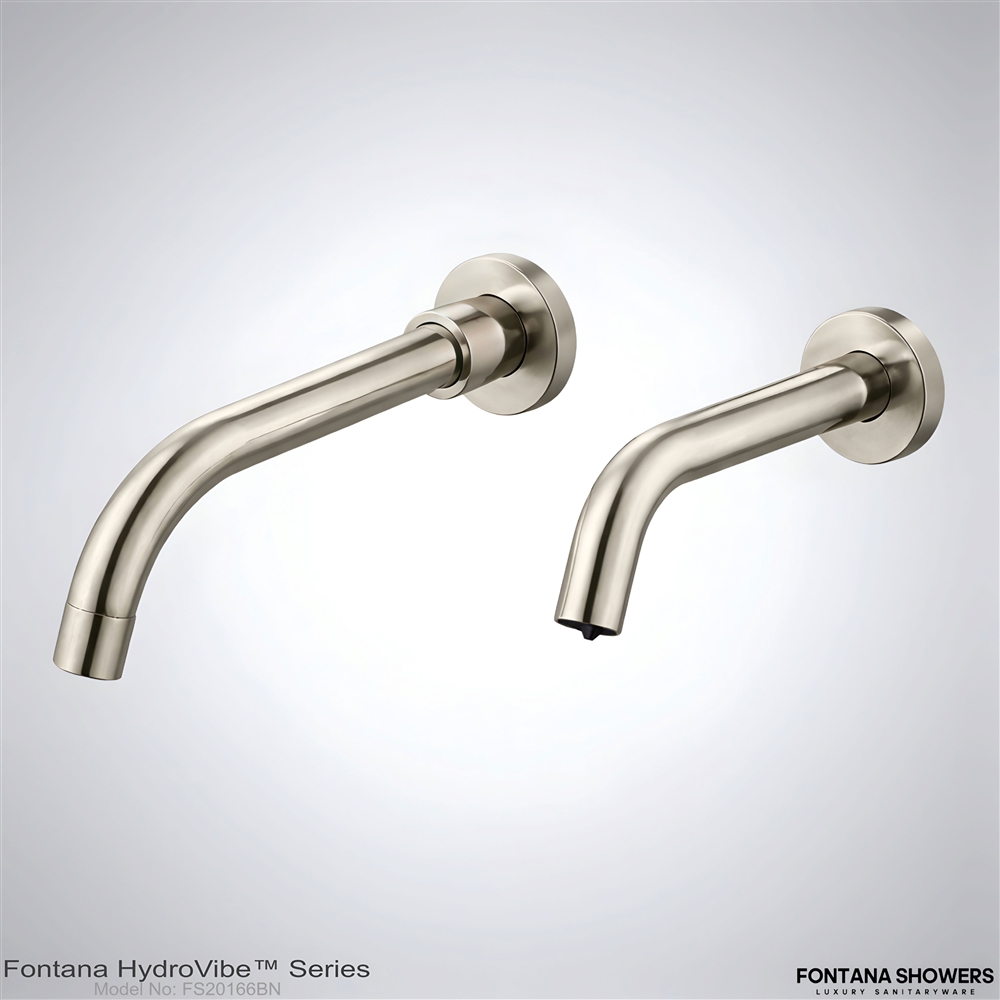
Selecting matching finishes across faucets and soap dispensers is essential for professional wash station design. Fontana offers coordinated sets in every popular commercial finish:
Polished Chrome
Brushed Nickel
Matte Black
Polished Gold
Brushed Gold
Oil Rubbed Bronze
Each coordinated set ensures perfect color matching across all components — no variations between faucet and soap dispenser finishes. This creates a professional, cohesive appearance that enhances any commercial restroom design.
Benefits of Coordinated Wash Station Systems
Seamless User Experience
Natural hand movement from soap to water
Visual Consistency
Perfect finish matching across all components
Simplified Specification
Single part numbers for complete wash stations
Reduced User Confusion
Consistent sensor zones and operation
Easier Maintenance
Standardized components across restrooms
Faster Installation
Pre-matched components reduce installation time
Best Practices for Wash Station Design
Specify Complete Sets
Use single manufacturer coordinated sets to ensure finish consistency and design language across all wash station components.
Optimize Placement
Position soap dispenser 4-6 inches from faucet spout on user entry side for natural handwashing flow.
Match Sensor Ranges
Ensure both faucet and soap dispenser have similar activation zones (2-6 inches) for consistent user experience.
Standardize Power
Use consistent power sources (all hardwired or all battery) across both fixtures to simplify maintenance.
Coordinate Mounting Heights
Mount both fixtures within ADA reach ranges (15-48 inches) for universal accessibility.
Test Before Specification
Request samples to verify finish matching and sensor compatibility before finalizing specifications.
Professional wash station design requires attention to the complete handwashing workflow. When faucets and soap dispensers are coordinated as a system, users can move naturally from soap activation to handwashing without awkward reaching or searching for sensors. Fontana’s coordinated sets are engineered with identical sensor technologies, matching activation zones, and complementary mounting heights — creating an intuitive handwashing zone that reduces contamination risk and improves user satisfaction. For facility managers, coordinated systems mean simplified parts inventory, standardized maintenance procedures, and fewer service calls.
Read More
Touchless Faucet & Soap Sets
Chrome Finish Sets
Brushed Nickel Sets
Gold Finish Sets
Bronze Finish Sets
Matte Black Sensor
Installation Guide
ADA Compliant Sensors
Frequently Asked Questions About Wash Station Coordination
Answers from architects, designers, and facility managers who specify coordinated systems
Why should I coordinate faucets and soap dispensers as one system?+
Coordinated systems ensure consistent finishes, matching sensor technologies, and optimized placement — creating an intuitive handwashing experience. Separate specifications often result in mismatched colors, inconsistent activation, and awkward user movement.
How far apart should faucet and soap dispenser be placed?+
Position the soap dispenser 4-6 inches from the faucet spout on the user entry side. This allows natural hand movement from soap activation to handwashing without awkward reaching or repositioning.
Can I mix different brands and still achieve coordination?+
While possible, mixing brands risks subtle finish variations and inconsistent sensor technologies. Single-manufacturer coordinated sets guarantee perfect color matching and uniform activation zones.
What finishes work best for commercial wash stations?+
Polished chrome remains most popular for its durability and universal appeal. Brushed nickel and matte black are growing in popularity for their modern aesthetics and fingerprint resistance.
Do coordinated sets cost more than separate components?+
Coordinated sets are typically priced competitively with separate components but save money through simplified installation, reduced specification time, and lower long-term maintenance costs.
Are coordinated wash stations ADA compliant?+
Yes. Fontana coordinated systems can be specified to meet ADA requirements with proper mounting heights (15-48 inches) and touchless operation that eliminates grasping or twisting.
What power options are available for coordinated sets?+
Coordinated sets are available with matching power configurations — both battery-powered (DC6V), both hardwired (AC110V), or hybrid options. This simplifies maintenance and ensures consistent operation.
Ready to Create Coordinated Wash Stations for Your Project?
Explore Fontana’s complete collection of coordinated faucet and soap dispenser sets. Available in
all popular commercial finishes with matching sensor technology.
View Coordinated Sets →
Last Updated: June 2026 | © Fontana Wash Station Systems. All rights reserved.
Related Coordinated Touchless Wash-Station Guides