

Architectural Restroom Design
Solving Fixture Coordination Problems in Modern Commercial Restroom Design
Architectural restroom projects require fixtures that function together visually and operationally. Fontana touchless systems help improve consistency across soap dispensers, faucets, and user interaction zones, creating cohesive, professional washroom environments.
Table of Contents
- Why Fixture Coordination Matters
- Common Fixture Coordination Problems
- Finish Coordination Guide
- Benefits of Coordinated Fixture Systems
- Best Practices for Fixture Coordination
- Coordinated vs Uncoordinated Fixture Layouts
- Architectural Projects That Benefit Most
- Frequently Asked Questions
Why Fixture Coordination Matters in Architectural Restroom Design
In modern architectural projects, restroom fixtures must perform flawlessly while contributing to the overall design vision. Poorly coordinated fixtures create visual inconsistency, operational confusion, and maintenance challenges. Architects and designers increasingly specify coordinated touchless systems where faucets, soap dispensers, and accessories share consistent finishes, sensor technology, and design language.
Coordinated fixture systems enhance user experience, simplify maintenance, and reinforce brand aesthetics. From luxury hotels and corporate headquarters to healthcare facilities and educational institutions, fixture coordination has become a hallmark of professional restroom design.
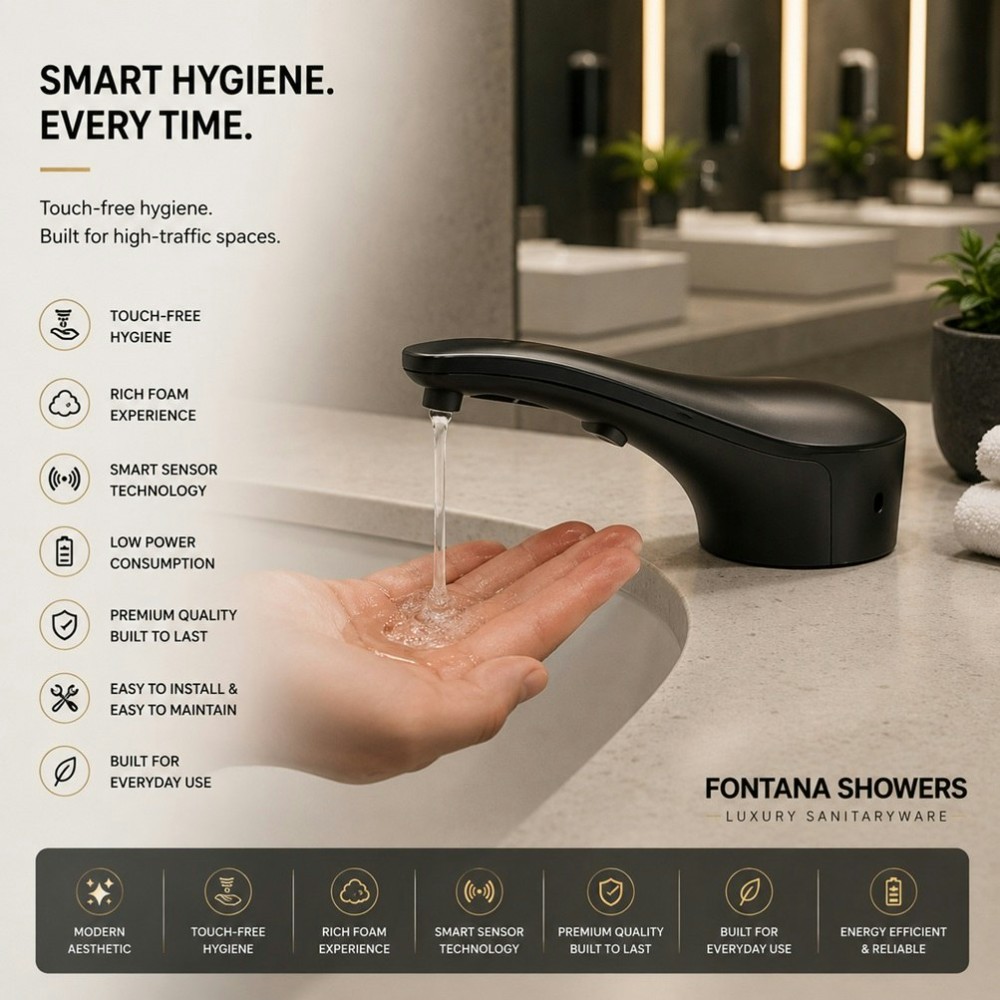
Common Fixture Coordination Problems in Commercial Restrooms
Mismatched Finishes
Different brands have color variations that create visual discord
Inconsistent Sensor Placement
Activation zones at different distances confuse users
Mixed Manual and Touchless
Combining fixture types creates user uncertainty
Poor Flow Between Fixtures
Awkward transitions between soap and water
Different Maintenance Requirements
Multiple component types complicate servicing
Varying Power Configurations
Mixed battery and hardwired systems increase complexity
Finish Coordination Guide for Architectural Restroom Projects
Selecting consistent finishes across all restroom fixtures is essential for professional design. Here are the most popular finish options for coordinated restroom systems:
Polished Chrome
Classic, reflective, easy to clean. Works with any design style. Most affordable premium finish.
Brushed Nickel
Warm, satin finish. Hides fingerprints and water spots. Popular for hospitality and residential.
Matte Black
Modern, dramatic, bold. Shows water spots. Best for contemporary and industrial designs.
Polished Gold
Luxury, warm, premium. Traditional or glam aesthetics. Highest-end hospitality choice.
Brushed Gold
Soft luxury, warm tones. Modern alternative to polished gold. Trending in boutique hotels.
Oil Rubbed Bronze
Dark, rustic, traditional. Hides wear well. Best for heritage and craftsman styles.
For best results, select all fixtures (faucets, soap dispensers, flush valves, towel dispensers, waste receptacles) from the same collection to ensure finish consistency and design cohesion.
Benefits of Coordinated Fixture Systems for Architectural Projects
Visual Consistency
Professional, cohesive appearance throughout facility
Simplified Specification
Single source for all restroom fixtures
Reduced User Confusion
Consistent operation across all fixtures
Easier Maintenance
Standardized components across restrooms
Better Brand Image
Design excellence reflects on entire organization
Enhanced Property Value
Quality fixtures increase asset value
Best Practices for Architectural Fixture Coordination
Select a Single Manufacturer
Using one brand ensures finish consistency and design language across all restroom fixtures and accessories.
Choose a Primary Finish
Select one dominant finish for all fixtures. Use a secondary finish sparingly for accent elements only.
Coordinate Sensor Technology
Ensure all touchless fixtures have similar activation zones and response times for consistent user experience.
Plan Fixture Placement Together
Design soap dispenser, faucet, and sink positions as a coordinated handwashing zone, not separate decisions.
Standardize Power Configurations
Use consistent power sources across all fixtures (all hardwired or all battery) to simplify maintenance.
Consider ADA Accessibility
Ensure coordinated fixture placement meets reach range and clearance requirements for all users.
Coordinated vs Uncoordinated Fixture Layouts for Commercial Restrooms
| Feature | Coordinated System | Uncoordinated Layout |
|---|---|---|
| Visual Appearance | Professional, cohesive | Inconsistent, mismatched |
| User Experience | Intuitive, predictable | Confusing, frustrating |
| Maintenance Efficiency | Standardized components | Multiple part types |
| Installation Cost | Higher – coordinated planning | Lower – piecemeal approach |
| Long-Term Value | Excellent – cohesive design | Poor – dated appearance |
Architectural Projects That Benefit Most from Coordinated Fixture Systems
Corporate Headquarters
Luxury Hotels
Healthcare Facilities
Educational Institutions
Airports
Museums
Sports Venues
Mixed-Use Developments
Each architectural project type requires coordinated fixture systems to maintain design integrity. Corporate headquarters need professional, consistent appearance. Luxury hotels demand premium finishes and seamless design. Healthcare facilities require hygienic, easy-to-clean coordinated systems. Educational institutions benefit from durable, standardized fixtures across multiple buildings.
Architectural Design Resources
Touchless Faucet Hub
Finish Collections
Architect Specification Guide
Discover coordinated touchless fixture systems designed for architectural projects including corporate headquarters, luxury hotels, healthcare facilities, and educational institutions. Compare finish options, sensor technologies, design languages, and specification resources for professional restroom design.
View complete architectural collection →
Frequently Asked Questions About Fixture Coordination
What is fixture coordination in commercial restroom design? +
Fixture coordination refers to selecting faucets, soap dispensers, flush valves, and accessories that share consistent finishes, design language, sensor technology, and placement logic to create a unified, professional restroom environment.
Why is fixture coordination important for architectural projects? +
Coordinated fixtures enhance visual consistency, improve user experience, simplify maintenance, and reinforce brand aesthetics. Uncoordinated fixtures appear amateurish and can confuse users.
How do I ensure finish consistency across different fixture types? +
Select all fixtures from a single manufacturer collection. Different brands may have subtle color variations even for the same named finish. Request finish samples before specifying.
What is the most popular finish for architectural restroom projects? +
Polished chrome remains the most specified finish for commercial projects due to its durability, easy cleaning, and universal design compatibility. Brushed nickel and matte black are growing in popularity.
Can I mix finishes in the same restroom? +
Yes, using the 80/20 rule. Choose one dominant finish for 80% of fixtures (faucets, flush valves, soap dispensers). Use a complementary finish for 20% of accents (towel bars, waste receptacles).
How should soap dispensers be coordinated with faucets? +
Position soap dispensers 4-6 inches from the faucet spout on the user entry side. Choose matching finishes and similar sensor activation ranges for intuitive handwashing flow.
Do architects prefer coordinated fixture systems? +
Yes. Architects consistently prefer coordinated systems from single manufacturers because they simplify specification, ensure design consistency, and provide reliable BIM files and technical support.
What is the ROI for coordinated fixture systems? +
Coordinated systems reduce maintenance complexity, simplify parts inventory, and improve user experience. The higher initial investment is offset by lower long-term maintenance costs and enhanced property value.
Ready to Create a Coordinated Restroom Design for Your Project?
Contact Fontana’s architectural specification team for product samples, BIM files, and technical resources.
Explore Architectural Solutions →
Last Updated: June 2026 | © Fontana Architectural. All rights reserved.
Modern Sensor Faucet & Restroom Hygiene Systems
Explore touchless restroom fixtures, automatic soap dispensers, and commercial sensor faucet systems designed for hygiene-focused environments.
Automatic Soap Dispenser Troubleshooting
Professional guide for troubleshooting touchless soap dispenser systems in commercial restroom environments.
Restaurant Touchless Soap Dispenser Pros and Cons
Restaurant hygiene systems supporting touch-free handwashing and sanitation compliance.
Deck Mount Sensor Faucet Collection
Commercial deck-mounted touchless faucets designed for public restroom efficiency.
Best Automatic Soap Dispenser Collection
Automatic soap dispensers optimized for commercial restroom hygiene management.
Oil Rubbed Bronze Auto Soap Dispenser Sets
Luxury bronze automatic soap dispenser systems for hospitality interiors.
Sensor faucet troubleshooting guide for
continuous-flow and activation issues.
Top 10 Best Automatic Soap Dispensers
Top-rated automatic soap dispensers engineered for commercial facilities.
Gold Sensor Faucet and Soap Dispenser Sets
Luxury gold touchless restroom systems for
premium hospitality projects.
Related Commercial Fixture Coordination Guides
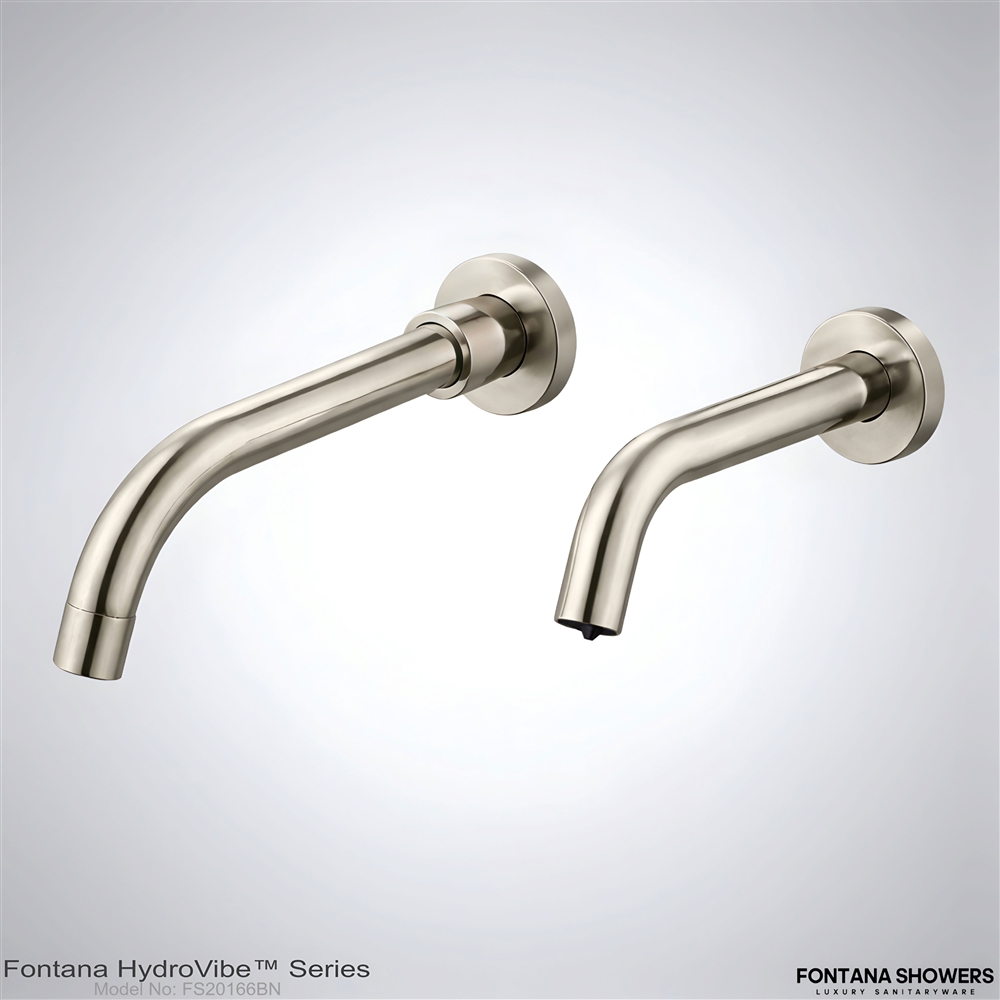
Fixture Coordination for Countertops, Plumbing, Power and Finishes | FS20166BN
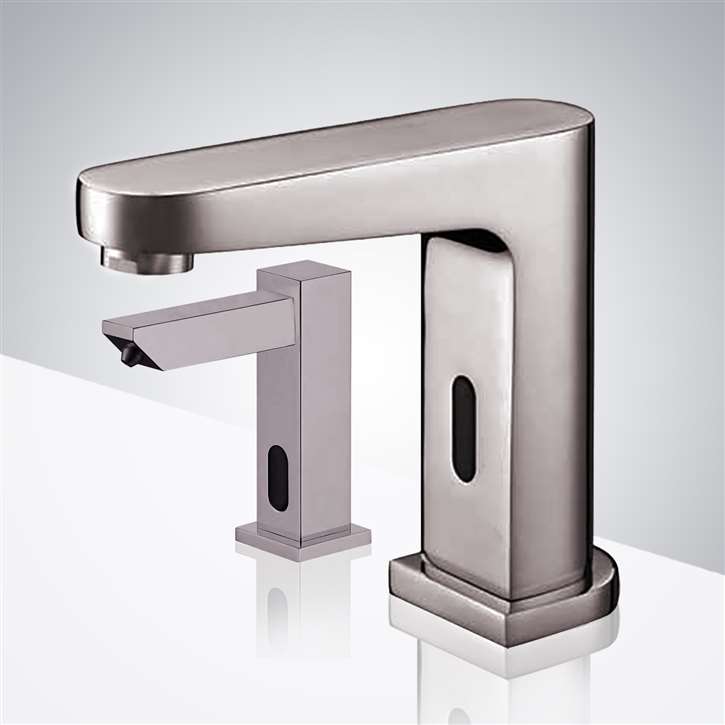
Coordinating an Automatic Faucet and Soap Dispenser Set | FS10225
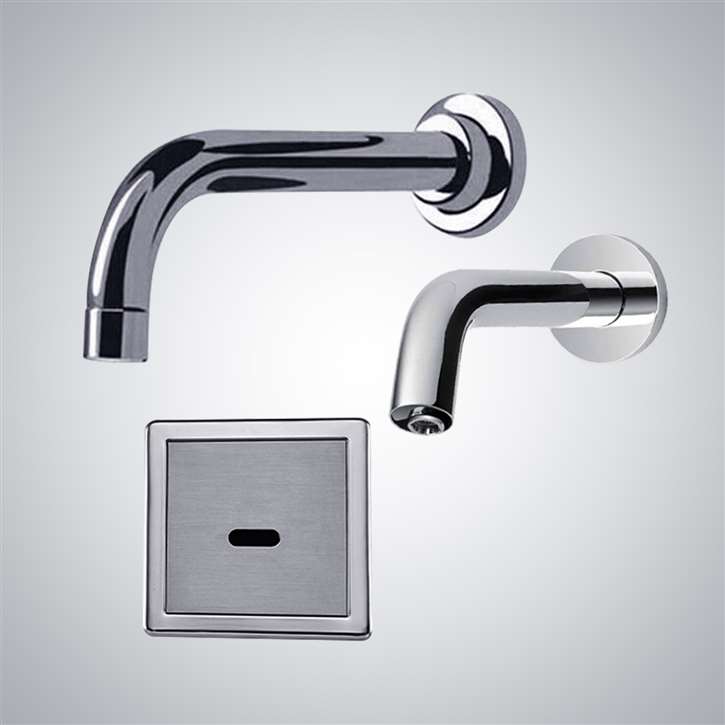
Dual Sensor Fixture Placement and Countertop Coordination | FS10224

Commercial Faucet and Dispenser Rough-In Coordination | FS10206C
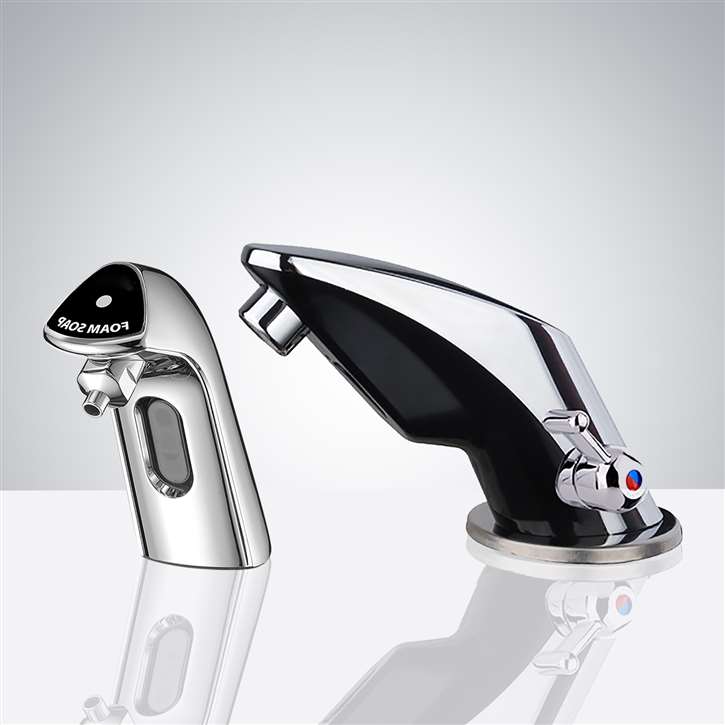
Planning Coordinated Sensor Fixtures for Modern Restrooms | FS1865SD

Basin Alignment and Sensor Fixture Spacing Guide | FS10202

Coordinating Matte Black Commercial Fixtures and Finishes | FS10214
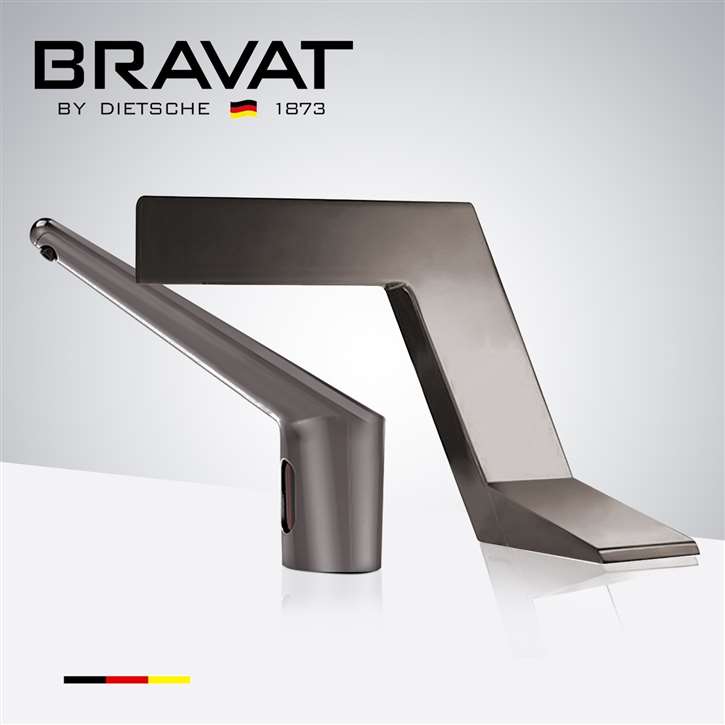
Brushed Nickel Fixture and Finish Coordination Guide | FS18556
