

Commercial Restroom Efficiency
Reducing Traffic Congestion Around Commercial Sinks with Touchless Fixtures
Crowding near commercial sink stations usually comes from slow fixture response or poor soap dispenser placement. Superior Fontana touchless systems help improve restroom flow by guiding users naturally through the handwashing process, reducing wait times and improving restroom efficiency.
Table of Contents
- Why Traffic Congestion Happens
- Common Causes of Congestion
- How Touchless Fixtures Improve Flow
- Best Practices for Reducing Congestion
- Coordinated vs Poor Coordination
- High-Traffic Facilities That Benefit
- Frequently Asked Questions
Why Traffic Congestion Happens at Commercial Sink Stations
Many commercial facilities experience bottlenecks around sink areas during peak usage periods. Employees, visitors, customers, and patients often gather around handwashing stations when fixture activation is slow, soap dispensers are difficult to access, or sink layouts create unnecessary movement. Proper coordination between touchless faucets, automatic soap dispensers, and sink placement can help create a smoother user flow and reduce waiting times.
In high-traffic environments such as airports, hospitals, schools, and stadiums, even small delays at sink stations can create significant congestion that affects overall restroom performance and user satisfaction.
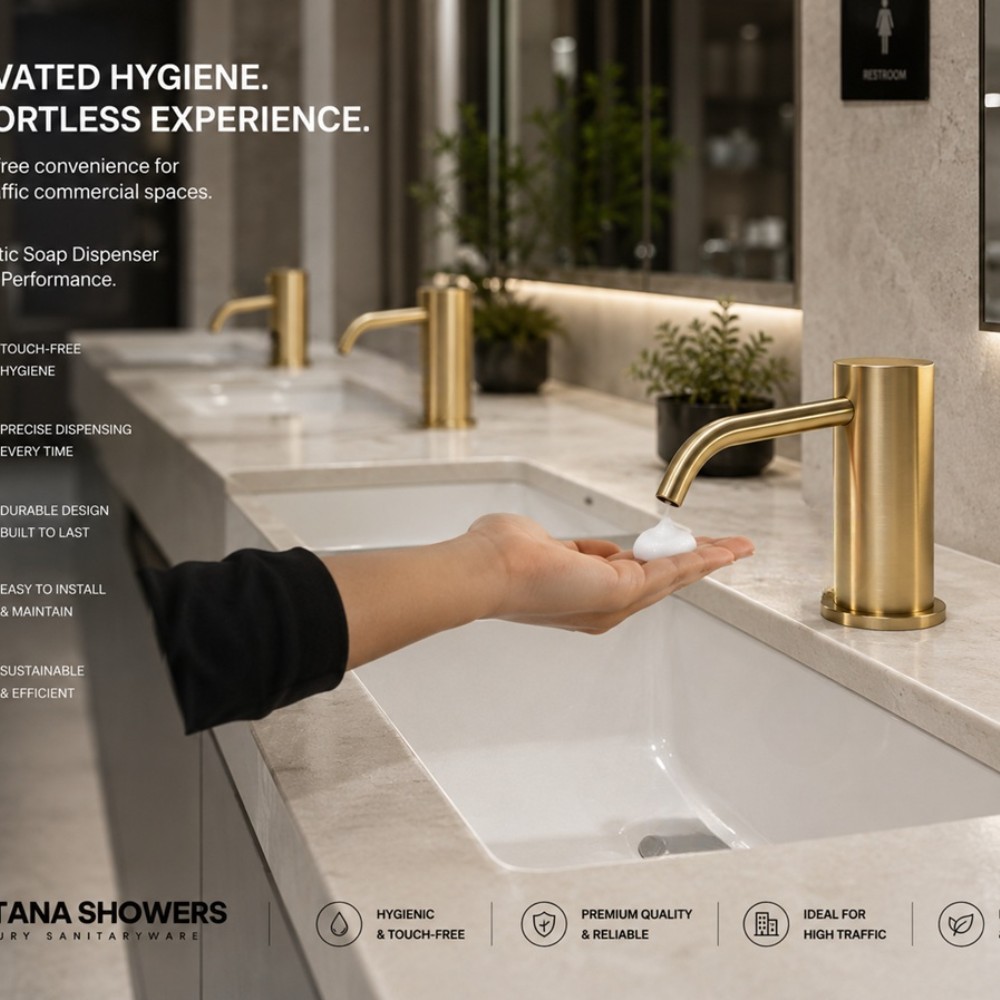
Common Causes of Congestion at Commercial Sink Stations
Slow Sensor Activation
Users wait for water flow, creating backlogs
Poor Soap Dispenser Placement
Users search for soap, causing hesitation
Inconsistent Activation Timing
Mixed manual and touchless fixtures confuse users
Inadequate Sink Spacing
Users crowd together, reducing throughput
Water Splashing
Users pause to clean up, slowing flow
Poor Traffic Path Design
Users cross paths, causing collisions
How Touchless Fixtures Improve Restroom Flow
Modern touchless restroom systems are designed to reduce user hesitation and improve handwashing efficiency. Reliable sensor activation, consistent soap dispensing, and coordinated fixture placement allow users to complete the handwashing process more quickly.
Faster Activation
Water flows within 0.2 seconds
Consistent Soap Delivery
No searching for pumps
Reduced Hesitation
Intuitive operation speeds up users
Higher Throughput
More users per minute
Better Experience
Less frustration means faster exits
Lower Maintenance
Fewer service calls
Best Practices for Reducing Sink Station Congestion
Position Dispensers Within Easy Reach
Soap should be 4-6 inches from faucet spout, on user entry side
Use Reliable Sensor Faucets
Fast activation times (under 0.5 seconds) reduce waiting
Maintain Clear Traffic Paths
Entry and exit paths should not cross
Ensure Adequate Spacing
Minimum 36 inches between sink centers
Reduce Water Splashing
Proper faucet alignment over drain center
Standardize Fixture Placement
Same layout across all restrooms improves familiarity
Poor Coordination vs Proper Coordination at Commercial Sinks
| Feature | Poor Fixture Coordination | Proper Fixture Coordination |
|---|---|---|
| User Flow | Congested – users hesitate | Smooth – intuitive movement |
| Wait Times | Longer – backlogs during peak | Shorter – efficient throughput |
| Handwashing Speed | Slower – user confusion | Faster – clear sequence |
| Maintenance Calls | Higher – frequent issues | Lower – reliable operation |
| User Satisfaction | Lower – frustrated users | Higher – positive experience |
High-Traffic Facilities That Benefit from Better Sink Planning
Hospitals
Airports
Universities
Shopping Centers
Office Buildings
Restaurants
Stadiums
Convention Centers
Each facility type has unique congestion challenges. Hospitals need fast handwashing for infection control. Airports must process thousands of passengers efficiently. Schools require durable fixtures for student traffic. Stadiums need high-capacity during events.
Commercial Sink Faucets
Commercial Restroom Solutions
Restroom Traffic Management Guide
Touchless Fixture Efficiency Guide
Discover commercial touchless faucets, automatic soap dispensers, and coordinated sink systems designed to reduce traffic congestion and improve handwashing flow in airports, hospitals, schools, offices, and public facilities. Compare sensor technologies, placement options, and efficiency-focused designs.
View complete commercial sink collection →
Frequently Asked Questions About Commercial Sink Traffic
How do touchless faucets reduce restroom congestion? +
Touchless faucets with fast activation (under 0.5 seconds) eliminate handle operation time and reduce user hesitation. This speeds up the handwashing process, allowing more users per minute and reducing peak-hour backlogs.
What causes bottlenecks at commercial sink stations? +
Slow sensor activation, poor soap dispenser placement, inadequate sink spacing, mixed manual/touchless fixtures, water splashing, and poor traffic path design are common causes of sink station congestion.
How should soap dispensers be positioned to improve traffic flow? +
Position soap dispensers 4-6 inches from the faucet spout on the user entry side. This creates natural hand movement between soap and water without requiring users to change direction or reposition.
What is the ideal spacing between commercial sinks? +
Maintain at least 36 inches between sink centers to allow users to wash hands without bumping elbows. For ADA compliance, ensure clear floor space of 30×48 inches per sink.
Can touchless systems improve restroom efficiency? +
Yes. Studies show touchless systems can reduce handwashing time by 20-30% compared to manual fixtures, significantly improving restroom throughput during peak hours.
Are touchless fixtures suitable for high-traffic facilities? +
Yes. Commercial-grade touchless fixtures are designed for continuous use in high-traffic environments. They feature durable construction, reliable sensors, and 500,000+ cycle ratings.
How do sensor faucets improve user flow? +
Sensor faucets eliminate handle operation time, reduce hesitation, and provide consistent activation. Users complete handwashing faster, reducing queue lengths and wait times.
What maintenance helps prevent sink station delays? +
Weekly sensor cleaning, monthly battery checks (battery models), annual filter cleaning, and regular testing of activation speed help maintain efficient operation and prevent delays.
Ready to Reduce Traffic Congestion in Your Commercial Restrooms?
Contact Fontana’s commercial specification team for product samples, layout guidance, and technical resources.
Explore Commercial Sink Solutions →
Last Updated: June 2026 | © Fontana Commercial. All rights reserved.
Facility Management Issues from Poor Soap Dispenser Performance
When automatic soap dispensers fail, facility teams face messy counters, restroom complaints, refill inefficiency, hygiene gaps, and repeated maintenance calls.
Best Automatic Soap Dispensers for Pump Failure Issues
Helps facility managers avoid clogged pumps, uneven portions, and unreliable soap delivery.
Automatic Hand Soap Dispenser for Refill Frequency Issues
Supports facilities dealing with short refill cycles, low capacity, and inconsistent handwashing support.
Best Automatic Soap Dispenser for Reliability Issues
Helps reduce daily service interruptions, inconsistent activation, and public restroom hygiene complaints.
Top 10 Automatic Soap Dispensers for Maintenance Issues
Useful for comparing dispensers around capacity, durability, pump control, and facility maintenance needs.
Oil Rubbed Bronze Auto Soap Dispenser for Finish Issues
Helps facility teams solve decorative finish matching, replacement consistency, and restroom design issues.
Vessel Sink Soap Dispenser Compatibility Issues
Supports facility planning where vessel sinks create dispenser height, reach, and installation challenges.
Cintas Auto Soap Instructions for Setup Issues
Helps maintenance teams resolve dispenser setup errors, activation confusion, and service procedure problems.
Pros and Cons of Automatic Soap Dispensers for Facility Management
Reviews operational pros and cons around hygiene, cost, refills, maintenance, and dispenser reliability.