

Restaurant Restroom Solutions
Improving Handwashing Flow in Restaurant Restrooms with Touchless Fixtures
Efficient handwashing flow is essential in restaurant restrooms where customers, staff, and food-service personnel rely on clean, intuitive, and hygienic restroom facilities throughout the day. During peak service hours, poorly coordinated restroom fixtures can create bottlenecks, increase user hesitation, and reduce overall restroom efficiency.
Why Handwashing Flow Matters in Restaurant Restrooms
Restaurant environments experience continuous restroom traffic throughout breakfast, lunch, dinner, and special event periods. Modern restaurant restroom design increasingly focuses on touchless technology, fixture coordination, and user-centered layouts that support faster and more effective handwashing experiences.
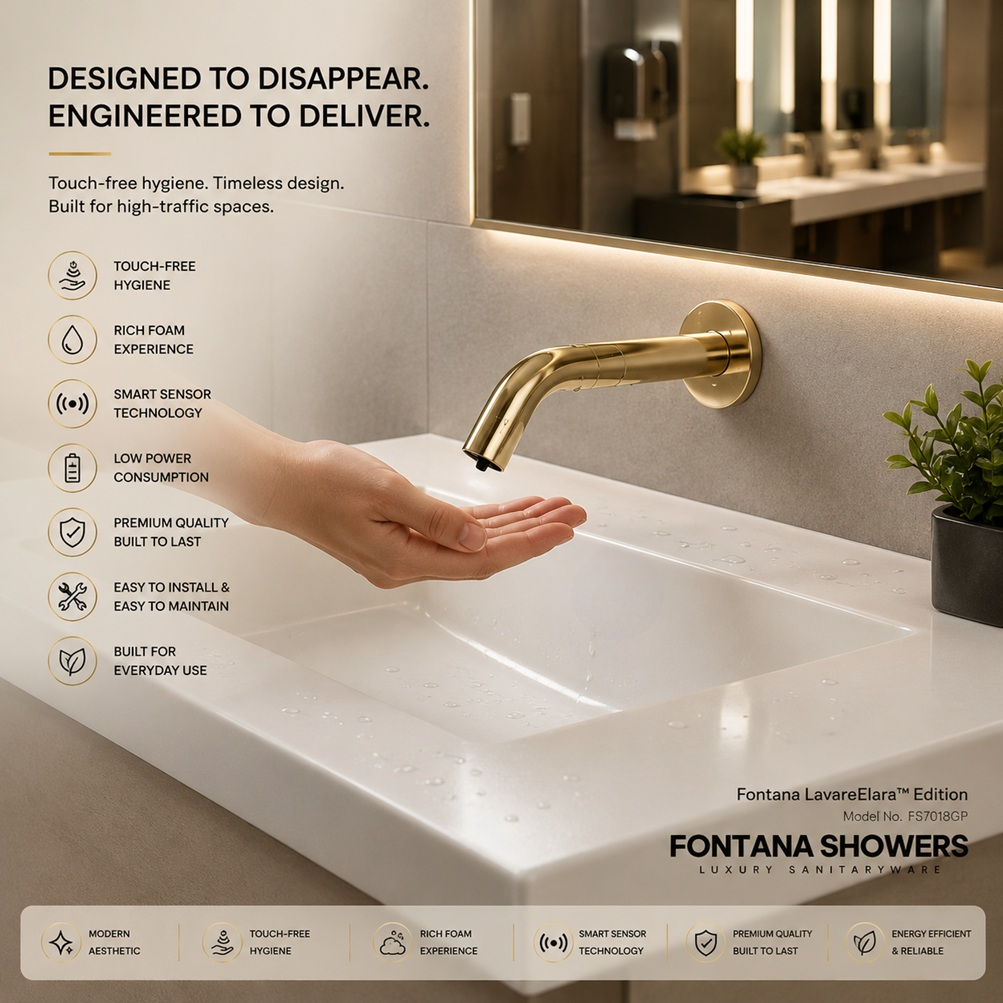
Touchless faucets, automatic soap dispensers, and coordinated restroom systems help streamline user movement while reducing contact points and improving hygiene standards. When properly designed, these systems contribute to a cleaner restroom environment and a better overall guest experience.
Why Handwashing Flow Matters in Restaurant Restrooms
An efficient handwashing process helps restaurants achieve measurable improvements across key operational metrics:
⭐
Improve Customer Satisfaction
Clean, efficient restrooms enhance dining experience
🦠
Support Food-Service Hygiene
Meet health department standards consistently
🚻
Reduce Restroom Congestion
Faster turnover during peak hours
😊
Improve User Experience
Intuitive fixtures reduce frustration
🔧
Minimize Maintenance Requirements
Reliable systems reduce service calls
✨
Enhance Overall Cleanliness
Professional appearance builds trust
For restaurant owners and facility managers, restroom performance directly affects customer perception, online reviews, and brand reputation.
Common Handwashing Flow Problems in Restaurant Restrooms
Several factors can interrupt efficient restroom operation during busy service hours.
Poor Fixture Placement
User hesitation and awkward handwashing sequences
Inconsistent Sensor Activation
Delayed handwashing and user frustration
Limited Sink Space
Traffic congestion during peak periods
Poor Soap Dispenser Positioning
Countertop mess and wasted product
Mixed Manual and Touchless Fixtures
User confusion about operation
Inadequate Maintenance
Reduced reliability and service interruptions
Best Practices for Restaurant Restroom Design
Coordinate Soap Dispensers and Faucets
Users should move naturally from soap dispenser to faucet without crossing traffic paths or stretching awkwardly.
Optimize Sensor Activation Zones
Reliable touchless activation reduces hesitation and improves restroom flow during busy service hours.
Minimize Countertop Clutter
Integrated fixture layouts help create a cleaner and more intuitive user experience.
Improve Visibility of Fixtures
Clearly visible touchless fixtures reduce uncertainty for first-time users.
Maintain Consistent Technology
Using coordinated touchless systems throughout the restaurant improves familiarity and usability.
Implement Regular Testing
Weekly sensor checks prevent failures during peak hours.
Restaurant Types That Benefit Most from Touchless Fixtures
Quick-Service Restaurants
Casual Dining Restaurants
Fine Dining Restaurants
Hotel Restaurants
Food Courts
Cafeterias
Fast Casual Restaurants
Bars & Breweries
Each restaurant type has unique restroom requirements. Quick-service needs fast turnover. Fine dining requires luxury presentation. Hotel restaurants must meet hospitality standards. Food courts demand high-volume reliability.
Touchless Restaurant Fixtures vs Traditional Fixtures
| Feature | Touchless Fixtures | Traditional Fixtures |
|---|---|---|
| Hygiene | Excellent – no contact required | Standard – handles touched by all |
| User Experience | Better – intuitive operation | Standard – traditional interaction |
| Water Efficiency | High – automatic shutoff | Moderate – user dependent |
| Restaurant Appearance | Modern – professional image | Traditional – standard look |
| Maintenance Efficiency | Better – predictable operation | Moderate – frequent handle repairs |
Facility Management Considerations for Restaurant Restrooms
Restaurant facility managers should evaluate several key factors when selecting touchless restroom fixtures:
- Sensor reliability: Consistent activation during peak hours prevents bottlenecks
- Water efficiency: Low-flow technology reduces utility costs and supports sustainability
- Soap dispenser capacity: Larger reservoirs reduce refill frequency during busy service
- Ease of maintenance: Accessible components simplify cleaning and repairs
- ADA compliance: Touch-free operation naturally meets accessibility requirements
- Long-term operational costs: Total cost of ownership including maintenance and water savings
Proper fixture selection helps reduce downtime while improving restroom performance and customer satisfaction.
Hotel Touchless Sets
Healthcare Touchless Sets
Architectural Design Guides
Commercial Faucets by Finish
Related Restaurant Restroom Guides
Quick-Service Restaurants
High-turnover restroom solutions for fast food and fast casual dining
Fine Dining Restrooms
Luxury touchless fixtures for premium restaurant experiences
Hotel Restaurant Facilities
Coordinated touchless systems for hospitality environments
Restaurant Hygiene Standards
Meeting health department requirements with touchless technology
Read Guide →
Discover touchless faucets, automatic soap dispensers, and coordinated handwashing station solutions designed for restaurants, hospitality projects, food-service facilities, and high-traffic commercial environments. Compare sensor technologies, ADA-compliant designs, water-saving features, and commercial-grade restroom solutions developed to improve handwashing flow and customer satisfaction.
View complete restaurant touchless collection →
Frequently Asked Questions About Restaurant Restroom Handwashing
Why is handwashing flow important in restaurant restrooms? +
Efficient handwashing flow improves hygiene, reduces congestion during peak hours, creates a better customer experience, and supports health department compliance. Poor flow can lead to bottlenecks and negative reviews.
Do touchless fixtures improve restaurant hygiene? +
Yes. Touchless systems reduce contact points, minimize cross-contamination risks, and support cleaner restroom environments. This is especially important for restaurants where hygiene directly affects food safety perception.
What causes delays in restaurant restroom handwashing? +
Poor fixture placement, unreliable sensor activation, inconsistent restroom layouts, and mixed manual/touchless fixtures are common causes of handwashing delays and user hesitation.
Are touchless faucets suitable for restaurant restrooms? +
Yes. Commercial touchless faucets are specifically designed for high-traffic environments such as restaurants, hotels, and public facilities. They feature durable construction, reliable sensors, and water-saving technology.
How can restaurants improve restroom efficiency? +
Coordinate touchless fixtures (soap dispenser and faucet within 4-6 inches), maintain proper sensor calibration, implement weekly testing, and use commercial-grade systems designed for high-volume use.
What is the ideal handwashing sequence for restaurant restrooms? +
The optimal sequence is: soap dispenser (closest to entry) → touchless faucet (center of basin) → hand dryer (exit side) → trash receptacle (near exit). This natural flow reduces congestion.
How often should restaurant touchless fixtures be tested? +
Test sensors daily in high-volume restaurants, at least weekly in all food-service facilities. Clean sensor lenses during each test to maintain optimal activation performance.
Do touchless fixtures help with restaurant health inspections? +
Yes. Touchless fixtures demonstrate commitment to hygiene and can positively influence health inspection scores by reducing cross-contamination risks and improving restroom cleanliness.
Ready to Improve Handwashing Flow in Your Restaurant Restrooms?
Contact Fontana’s commercial specification team for product samples, BIM support, and technical resources.