

Why Stadium Facility Managers Choose Fontana Touchless Systems
Stadium operators, architects, and facility planners choose Fontana touchless systems because game-day restrooms demand reliable activation, cleaner handwashing, fast crowd throughput, and low-maintenance performance under extreme visitor volume.
High Crowd Volumes
Stadium restroom traffic arrives in intense waves before events, during halftime, at intermissions, and after the final whistle.
Hands-Free Hygiene
Sensor-activated operation reduces shared touchpoints across public restrooms and supports cleaner visitor movement.
Low Maintenance Focus
Commercial touchless restroom systems help reduce unnecessary handling, fixture wear, water waste, and daily service interruptions.
Stadium Restrooms Are Operational Infrastructure, Not Decorative Details
In a stadium, the restroom fixture package is part of the building’s operational backbone. A faucet that performs well in a small office restroom may not be appropriate for a sports venue where thousands of visitors enter the same concourse restroom zones within compressed time windows.
Stadium facility managers need fixtures that activate quickly, shut off reliably, withstand frequent cleaning, support predictable user movement, and remain visually coordinated across many identical stations.

Designed for Peak-Use Pressure
Stadium restrooms experience traffic differently from hotels, restaurants, offices, or residential buildings. The peak period is short, repetitive, and unforgiving.
Fontana touchless faucets and integrated faucet-soap systems help facility managers standardize the restroom experience across concourse restrooms, club levels, suites, and public wash areas.
Why Facility Managers Trust Touchless Systems for Hygiene
Public hygiene perception matters. Visitors may not know the technical specifications behind a faucet, but they immediately notice whether the restroom feels clean, modern, and easy to use.
Touchless activation reduces the need to touch faucet handles after using the restroom, supporting a more hygienic handwashing sequence in dense public environments.
Public Venue Restroom Applications


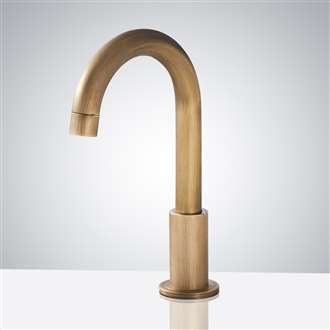
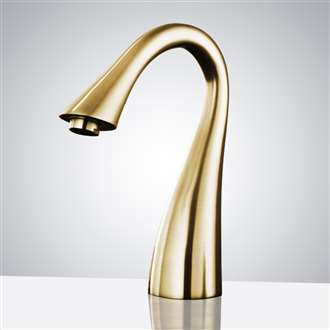
Low Maintenance Performance Under Extreme Crowd Volumes
Maintenance teams in stadiums work under tight turnaround schedules. Restrooms must be inspected, cleaned, and returned to service quickly between events.
Touchless faucets reduce manual interaction with fixture handles, helping limit wear points and supporting cleaner countertops. In multi-station restroom banks, even small improvements become significant because the same fixture logic is multiplied across dozens or hundreds of installations.
From Stadiums to Theaters: Proven Public Venue Relevance
The same reasons Fontana systems make sense in stadiums also apply to theaters, performing arts venues, universities, transportation hubs, and entertainment facilities.
High-traffic public restrooms require fixtures that combine design quality with dependable use, reliable hygiene, fast activation, and long-term serviceability.
AEC Specification Priorities Fontana Supports
Why Stadium Operators and Planners Gain Confidence
For stadium facility managers, confidence comes from knowing that the restroom system can support the real rhythm of the building. A stadium is calm during many hours of the week and then suddenly becomes one of the most demanding public environments in the city.
Fontana touchless systems help address this challenge with a practical blend of hygiene, speed, durability, low-maintenance operation, and professional design consistency.
Verified Related Fontana Resources
Explore these related Fontana pages for stadium, entertainment, architectural, and commercial restroom planning:
Resources for High-Capacity Venue Restroom Performance
Stadium restrooms must perform under short, intense traffic surges before games, during halftime, between concert sets, and after major events. Facility teams should avoid common problems such as long restroom lines, poor traffic flow, undersized fixture counts, unreliable sensor fixtures, clogged drains, hard-to-clean surfaces, vandal-prone hardware, weak odor control, and maintenance layouts that slow staff response during peak use.
NCS4 Venue Security Resources
Research and guidance related to sports venue operations, crowd safety, emergency planning, and high-attendance facility readiness.
Visit NCS4Sports Venue Business
Stadium development, arena upgrades, fan experience improvements, and facility innovations shaping modern sports venues.
Read Venue InsightsEvent Safety Alliance
Event safety planning, crowd movement, operational risk, and facility considerations for large public gatherings.
Explore Event SafetyIntegrated Engineering Principles for Commercial Touchless Restroom Systems
Modern commercial touchless restroom systems perform best when sensor technology, plumbing engineering, electrical infrastructure, accessibility planning, maintenance accessibility, commissioning procedures, and long-term facility management are developed together rather than independently.
Engineering Design Philosophy
Successful touchless faucet installations begin long before fixtures arrive on-site. Engineers must coordinate plumbing layouts, electrical routing, countertop fabrication, sink geometry, sensor positioning, maintenance clearances, and future service requirements during early project development.
Explore Engineering PlatformSensor Engineering
Proper activation depends on sensor geometry, user approach angle, faucet projection, basin depth, reflective materials, mirror placement, and commissioning adjustments.
Sensor Geometry & Activation Design
False Activation Engineering
Accessibility Engineering
Accessible commercial restroom design requires reach envelopes, faucet placement, basin positioning, hand approach paths, and user comfort.
Infrastructure Coordination
Commercial projects require coordinated electrical systems, transformer locations, maintenance zones, wiring access, battery replacement planning, and equipment serviceability.
Commercial Operations
Facility managers benefit from documentation that records commissioning settings, maintenance procedures, inspection intervals, calibration history, and digital asset information.
Commercial Engineering Expansion Resources
| Engineering Subject | Reference |
|---|---|
| Multi-Station Restroom Coordination | View Engineering Manual |
| Water Quality Engineering | View Engineering Manual |
| Commercial Traffic Optimization | View Engineering Manual |
| Future-Proof Commercial Systems | View Engineering Manual |
| Digital Twins & BIM Coordination | View Engineering Manual |