
AC vs DC vs Battery-Powered Automatic Soap Dispensers
Automatic soap dispenser power architecture affects electrical rough-in, service access, battery maintenance, and continuity of operation. This guide compares documented battery, AC-input, and low-voltage DC configurations without assuming that one power source inherently produces a stronger sensor or pump.
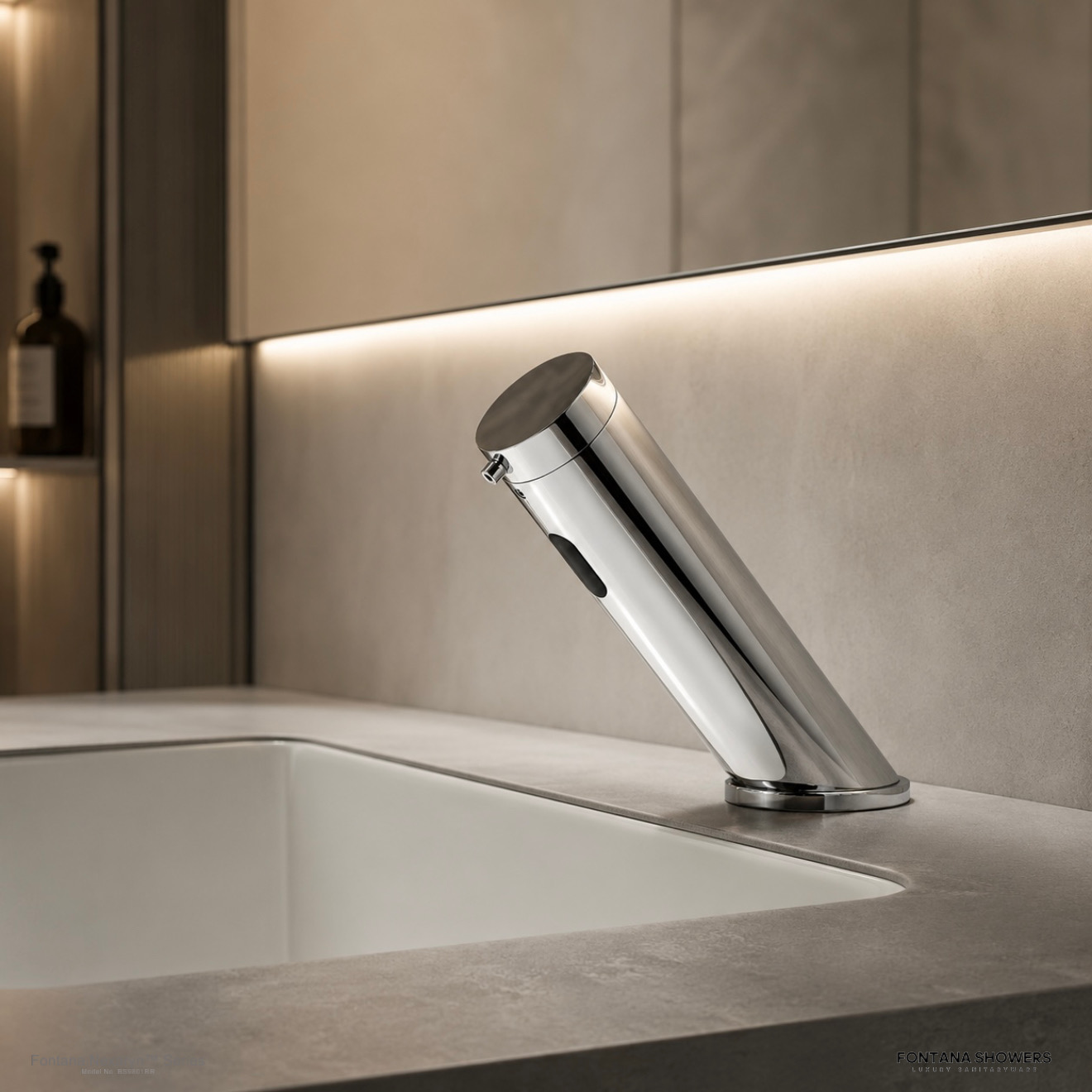
Battery Power
Portable and easy to install, battery-powered automatic soap dispensers avoid the need for permanent electrical wiring.
AC Power
A fixed electrical connection can provide continuous power and remove the recurring need for disposable battery replacement.
DC Power
Direct-current systems can support low-voltage operation and may be suited to configurations using compatible DC power sources.
Automatic Soap Dispenser Power Configurations
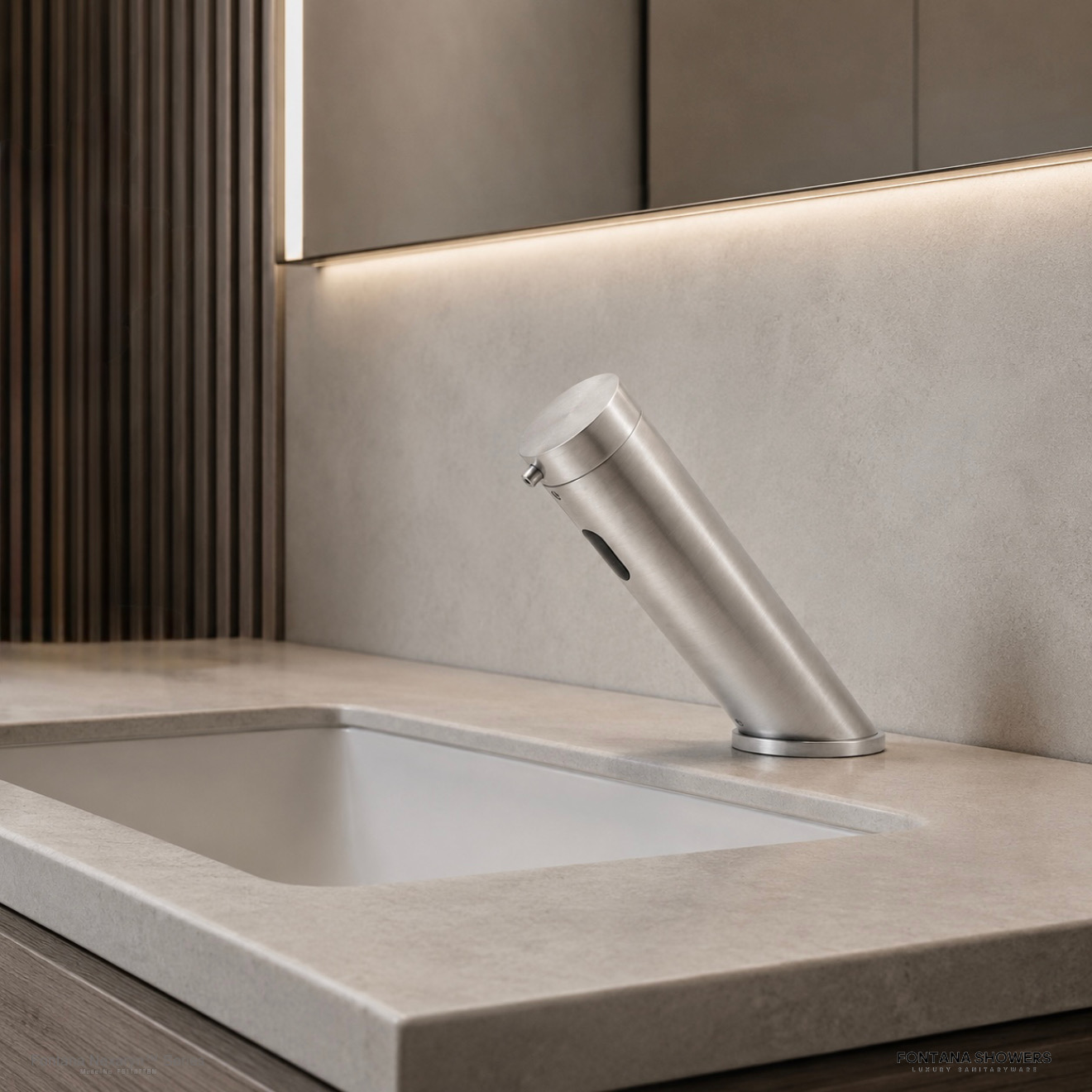
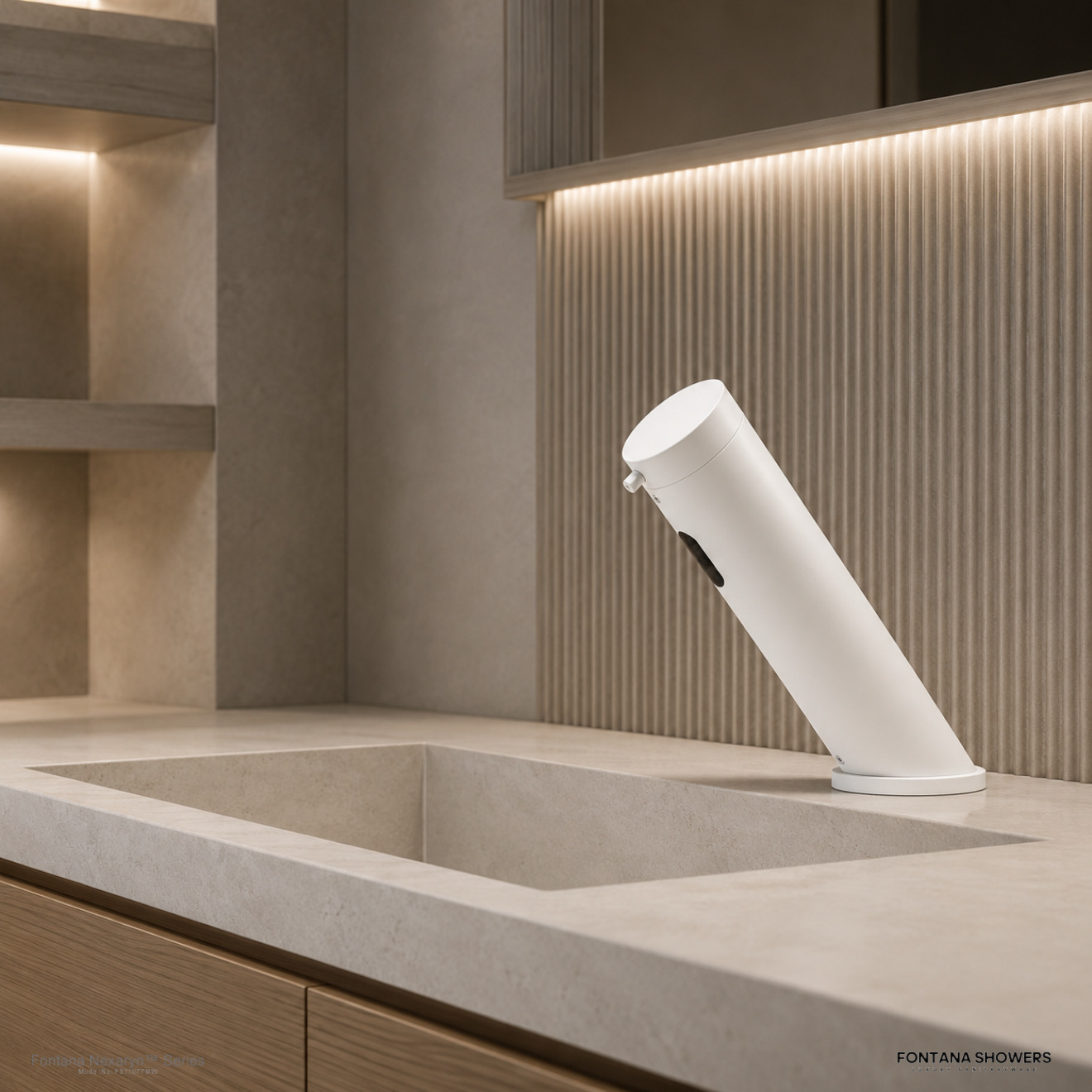
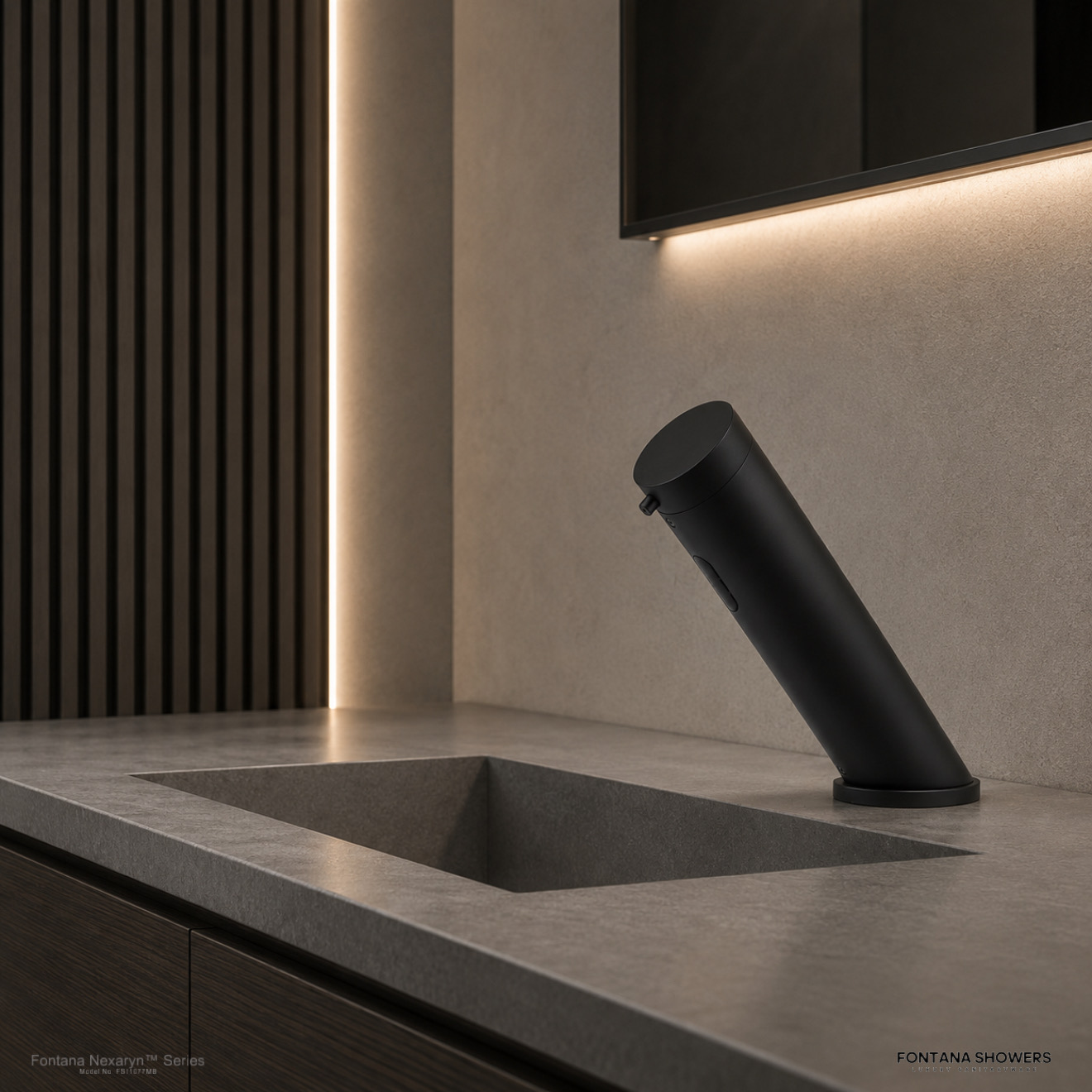
Reference images for battery-operated, AC-powered, and DC-powered automatic soap dispenser applications.


Battery-Powered Dispensers: Pros and Cons
Battery-powered dispensers provide flexibility because permanent electrical wiring is generally not required at the dispenser location.
Read Pros and Cons
Pros
- Portability: Battery-powered dispensers can be placed anywhere without worrying about proximity to an electrical outlet.
- Easy Installation: These dispensers typically require minimal installation, as there’s no need for wiring.
- Initial Cost: The initial cost can be lower since there’s no need for electrical work.
Cons
- Maintenance: Batteries need to be regularly checked and replaced to prevent the dispenser from stopping unexpectedly. This can be time-consuming and often leads to higher long-term costs.
- Environmental Impact: Disposing of batteries poses environmental concerns.
- Performance Fluctuations: Battery performance can degrade over time, leading to inconsistent dispenser operation.
Battery, AC and DC Soap Dispenser Comparison
A quick reference for evaluating installation, maintenance, power continuity, and intended use.
| Consideration | Battery Powered | AC Powered | DC Powered |
|---|---|---|---|
| Installation | Minimal wiring requirements | Requires electrical connection | Requires compatible DC power connection |
| Portability | High | Typically fixed | Depends on power configuration |
| Battery Replacement | Required periodically | Not required for primary operation | May use rechargeable backup in some configurations |
| Continuous Power | Depends on battery condition | Connected to electrical grid | Depends on DC source |
| Voltage | 6V DC from 4 × 1.5V AA alkaline batteries on documented configurations | 100–240V AC transformer/adapter input where specified; converted to low-voltage DC | 6V DC on documented Fontana dispenser configurations |
| Maintenance | Includes battery monitoring and replacement | Reduced battery-related maintenance | Depends on DC supply and backup configuration |
AC-Powered Dispensers: Documented Power Configuration
AC-powered systems connect the dispenser to an electrical power source rather than relying only on replaceable batteries.
AC-Powered Soap DispenserContinuous Power Supply
Reliable Operation
AC-powered soap dispensers use building mains as the primary source through the specified power interface. In mains operation, the dispenser is not dependent on battery state, although an electrical outage, disconnected adapter, or failed power supply can still interrupt operation.
No Battery Replacements
Where mains power is used as the sole operating source, routine AA battery replacement is removed from the maintenance schedule. Dual-power models may still include batteries, so the selected SKU and installation method should be confirmed before specifying service intervals.
Documented Electrical Configuration
Transformer / Adapter Input and DC Output
AC input does not inherently make the dispenser sensor or pump stronger. A verified Fontana switching power adapter is specified for 100–240V AC input at 50/60Hz and 6V DC, 2A output. On this architecture, the mains supply is converted to the low-voltage DC used by the electronic load.
Battery Configuration and Documented Cycle Life
Fontana dispenser documentation lists a 6V battery configuration using four 1.5V AA alkaline cells. One commercial automatic dispenser installation specification lists battery life at 108,000 dispensing cycles/uses. Cycle-life ratings are model-specific and should not be transferred from one SKU to another without checking its current spec sheet.
Maintenance Implications
Battery-Service Reduction
A mains-powered installation can avoid routine disposal and replacement of primary AA cells at that station. This is a maintenance distinction, not evidence that AC power changes the inherent sensing strength or pump force of the dispenser.
AC-Powered Dispenser Applications
DC-Powered Dispensers: Documented Power Configuration
Direct-current configurations provide another option for automatic dispenser power where compatible low-voltage electrical infrastructure is available.
AC/DC-Powered Wall Soap DispenserFlexibility with Direct Current
6V DC Device-Side Power
DC-powered soap dispensers should be specified against the voltage stated for the selected model. Multiple Fontana commercial dispenser documents identify 6V DC as the operating supply, either from an adapter/transformer output or a battery pack.
Four-AA Battery Configuration
A documented battery configuration is four 1.5V AA alkaline cells, providing 6V DC. Where a model supports both mains and battery operation, confirm from that SKU’s instructions whether the battery pack is an alternate source, a backup source, or not intended for simultaneous use.
Measured Power Consumption
Model-Specific Electrical Load
Power consumption should be taken from the selected model rather than inferred from AC versus DC. One Fontana automatic foam soap dispenser installation specification lists static consumption at ≤0.3mW and active consumption at ≤3W, with a 6V DC device supply.
Low-Voltage Output Architecture
Separate Mains Input from Device Output
The documented adapter architecture separates mains input from the low-voltage dispenser supply: 100–240V AC at the adapter input and 6V DC at the output on the verified Fontana power adapter. Electrical installation, enclosure rating, and code compliance still depend on the complete assembly and project conditions.
Touchless Soap Dispenser Power Planning
Moving reference gallery for electrical, maintenance, and commercial restroom planning considerations.


Power Source Considerations
Battery Powered
Provides portability and simple installation where wiring is not readily available.
Read More
Battery maintenance, battery replacement, environmental disposal, and declining battery performance should be considered when evaluating long-term operation.
AC Powered
Provides a continuous connection to building electrical power.
Read More
The fixed mains source removes dependence on AA battery state during normal wired operation. The selected dispenser still operates according to its documented low-voltage output, sensor, pump, and control specifications.
DC Powered
Provides a low-voltage direct-current option for compatible electrical systems.
Read More
Documented Fontana configurations commonly use 6V DC at the device. Battery-powered variants may use four 1.5V AA alkaline cells; verify the exact power-source arrangement on the selected SKU.
Automatic Soap Dispenser Image Gallery
Choosing Between Battery, AC and DC Power
While battery-powered automatic soap dispensers offer the advantage of portability and ease of installation, they come with drawbacks such as the need for regular battery checks and replacements, potential performance issues, and environmental concerns.
Read More
In contrast, mains-powered dispensers can remove routine battery replacement from normal operation, while the dispenser electronics still use the documented low-voltage supply. Verified Fontana examples include 100–240V AC adapter input, 6V DC output, and 6V battery operation from four AA alkaline cells. Sensor and pump capability remain model-specific rather than a consequence of AC power alone.
For high-traffic projects, compare transformer/adapter access, the specified DC output, battery configuration, documented cycle life, and replacement workflow for the exact model rather than relying on generic performance claims.
Power Source Decision Matrix
| Power Source | Main Advantage | Primary Consideration | Typical Planning Focus |
|---|---|---|---|
| Battery | Portability and simple installation | Battery replacement and monitoring | Locations without convenient wiring |
| AC | Mains input without routine primary-battery dependence | Transformer/adapter and electrical connection required | 100–240V AC input / 6V DC output where specified |
| DC | Documented 6V DC device supply | Exact adapter or battery arrangement is model-specific | 4 × 1.5V AA alkaline or compatible 6V DC source where specified |
Questions About Our Services
Molecular Detection, ATP Screening & Microbiological Verification
AEC guidance for molecular microbial detection, hygiene acceptance criteria, healthcare verification, ATP screening and contamination monitoring within concealed centralized soap-distribution networks.
Can molecular sequencing reveal microorganisms missed by conventional culture testing in soap networks?
Yes; sequencing can detect unculturable and low-abundance organisms, but detected DNA does not establish organism viability or infection risk.
What constitutes an acceptable microbiological threshold specifically for centralized soap-distribution systems?
No universal threshold exists; facilities should define organism-specific, method-specific acceptance criteria through infection-control and risk-management programs.
Should centralized soap networks undergo periodic microbiological verification in healthcare facilities?
Yes; risk-based periodic verification is appropriate where healthcare infection-control programs identify centralized dispensing as a monitored hygiene exposure.
Could ATP testing provide a practical field method for verifying internal system cleanliness?
ATP testing provides rapid cleanliness screening, but nonspecific results should supplement—not replace—microbiological testing when contamination consequences are significant.
Is there a reliable non-destructive method for detecting contamination inside concealed soap tubing?
No universally validated method directly detects concealed-line contamination non-destructively; use accessible sampling ports, outlet samples, or validated indirect monitoring.


