
Minimizing Water Waste in High-Traffic Commercial Restrooms
A clean AEC visual page for sensor precision, controlled flow, sustainability, and reliable restroom operation in stadiums, theaters, campuses, arenas, and busy public buildings.

Reducing waste through precision and control
Commercial restrooms in high-traffic venues can significantly reduce water waste through sensor accuracy, coordinated systems, and standardized maintenance approaches.

Water only when needed
Automatic activation and shutoff help prevent unnecessary open-handle runtime.

Built for rush periods
Fixture repetition supports fast restroom movement during intermission and event breaks.

Cleaner handwashing flow
Coordinated soap and water placement improves the user sequence.

Standardized maintenance
Consistent fixtures help simplify inspection, cleaning, and replacement planning.
Engineering strategies for water conservation in commercial restrooms
Each article block is paired with a photo so the page stays organized, professional, and visually connected to the design topic.
Precision activation prevents waste.
Sensor accuracy is the foundation of water conservation in commercial restrooms. A well-calibrated sensor activates only when hands are intentionally placed in the use zone, eliminating unnecessary water flow from passing traffic or accidental triggers. In high-traffic venues where thousands of users pass through during event surges, even small inaccuracies can compound into significant waste. Commercial sensor faucets should be specified with adjustable detection zones, consistent shutoff timing, and tolerance for varying lighting conditions, countertop reflectivity, and user behavior. Precision sensing not only conserves water but also reduces strain on plumbing systems and improves the overall user experience.
Controlled flow reduces consumption.
Flow control ensures consistent water delivery regardless of building pressure fluctuations. Aerators and pressure-compensating mechanisms help maintain a usable stream while reducing overall consumption. When combined with sensor activation, controlled flow systems eliminate waste associated with continuous open-handle operation.
Coordinated systems improve efficiency.
Water conservation is most effective when the entire restroom system works together. Sensor faucets, automatic soap dispensers, and hand dryers should be coordinated to minimize user confusion and reduce waste. When soap is positioned correctly and dispensing reliably, users spend less time searching and more time completing the handwashing sequence efficiently. Coordinated systems also reduce the likelihood of water waste caused by users leaving water running while searching for soap or drying options. A well-designed restroom system conserves water while maintaining user satisfaction.
Regular maintenance sustains efficiency.
Water conservation depends on fixtures that remain in optimal working condition. Standardized fixture families simplify maintenance planning by reducing replacement parts and service procedures. Proactive maintenance prevents small issues from becoming major failures and ensures water conservation goals are sustained over the full lifecycle.
Plumbing infrastructure supports efficiency.
Plumbing design plays a critical role in water conservation. In large venues, the distribution system must account for simultaneous demand, pressure variation, and water temperature consistency. Engineers should design restroom banks with appropriate pipe sizing, pressure regulation, and shutoff zoning to support efficient fixture operation. Low-flow fixtures are effective when the plumbing system delivers consistent pressure and temperature. Isolation valves and strainers help maintain water quality and simplify maintenance. A well-designed plumbing plan supports long-term conservation goals while ensuring reliable restroom operation during peak usage periods.
Long-term performance supports sustainability.
Water conservation extends across the full lifecycle of the restroom. Durable finishes, corrosion-resistant materials, and accessible components help maintain efficiency over decades. Commercial touchless systems should be specified with documented maintenance schedules and replacement parts availability to protect long-term conservation goals.
10+ verified images for water-conscious storytelling
Stadium, theater, public restroom, fixture, and venue imagery are grouped into a clean visual collage.


Touchless faucet and sink-set options
 Strasbourg Black / Rose Gold Sensor Faucet
 Strasbourg Black / Gold Sensor Faucet
 Strasbourg Brushed Gold Sensor Faucet
 Strasbourg Antique Brass Sensor Faucet
 Brio Antique Brass Thermostatic Sensor Faucet
 Commercial Automatic Sensor Tap
 Dax Stainless Steel Long Sensor Faucet
 DSFD0031A Wall Touchless Sink Set
 Antique Dark Wall Touchless Sink Set
 DSFD0024GS Touchless Fixture
 Nickel Touchless Vessel Sink Set
 DSFD0025B Touchless Fixture
 DSFD0028RB Touchless Fixture
 Oil Rubbed Bronze Touchless Sink Set
 Black Tall Touchless Sink Set
 Gold Touchless Vessel Sink Set
Selecting the right touchless fixture for water-conscious commercial restrooms
Successful water conservation begins with selecting properly engineered commercial touchless fixtures rather than simply reducing faucet flow. Choosing the correct touchless faucet depends on traffic volume, installation method, power availability, maintenance strategy, and finish selection. Commercial facilities often standardize fixture families to simplify replacement parts, reduce service complexity, and maintain visual consistency throughout the building.
For facility owners and design teams, the most effective approach combines commercial touchless faucets with automatic soap dispensers and coordinated touchless faucet and soap systems for complete wash station solutions. For venue-specific applications, review stadium touchless projects and EPA WaterSense commercial faucet guidance that demonstrate real-world performance under massive crowd conditions.
The models shown here represent a range of design aesthetics—from contemporary chrome and matte black to warm brushed gold and antique brass—allowing design teams to maintain visual consistency while prioritizing water conservation and operational performance. For detailed specifications, installation guides, and project-specific recommendations, explore the product pages directly or consult the reference library below.
Water efficiency & specification checklist
A comprehensive reference for architects, engineers, and facility managers to verify key water-saving features and specification requirements in commercial restroom fixtures.
| Item | Recommended Specification |
|---|---|
| Flow Rate | WaterSense Compatible (1.5 GPM or lower) |
| Sensor Type | Infrared with adjustable detection zone |
| Shutoff | Automatic with timed shutoff |
| Power Source | Battery / AC / Hybrid options |
| Material | Solid Brass Construction |
| Finish | Commercial Grade / Corrosion-Resistant |
| ADA Compliance | Yes — Accessible Activation |
| Soap System | Coordinated Dispenser Integration |
Commercial applications for touchless water conservation
Fontana touchless fixtures are deployed across a wide range of commercial environments where water efficiency and reliable operation are essential.
Stadiums & Arenas
High-capacity venues require durable touchless fixtures that perform consistently during peak event surges.
View Projects
Theaters & Performing Arts
Intermission rushes demand fast, reliable fixtures that minimize water waste while maintaining user satisfaction.
View Projects
Airports & Transit
Continuous passenger flow requires water-efficient fixtures with proven durability and simplified maintenance.
Explore Products
Hotels & Hospitality
Premium guest experiences depend on reliable touchless fixtures that combine efficiency with design excellence.
Explore Systems
Hospitals & Healthcare
Hygiene-critical environments require touchless fixtures that conserve water while supporting infection control.
Explore Products
Universities & Campuses
Campus facilities require durable, water-efficient fixtures that serve thousands of students and staff daily.
View Projects
Convention Centers
Large-scale events demand restroom systems that handle variable traffic while maintaining water efficiency.
Explore Systems
Transit Stations
High-traffic transportation hubs require rugged, water-efficient fixtures that perform reliably around the clock.
Explore ProductsCommon causes of water waste in commercial restrooms
Understanding the most frequent sources of water waste helps facility teams and engineers develop effective mitigation strategies.
Poor Sensor Calibration
Incorrect sensor range settings can cause premature activation or missed detection, leading to unnecessary water flow and user frustration.
Continuous Flow
Manual faucets left running or sensor faucets with extended shutoff timing can waste significant water during peak usage periods.
High Flow Rates
Fixtures without flow control or aerators can deliver excessive water volume, increasing consumption without improving handwashing effectiveness.
Damaged or Missing Aerators
Damaged or removed aerators disrupt flow control, often increasing water consumption and affecting the user experience.
Poor Fixture Layout
Incorrect sink spacing or counter depth can force users into inefficient handwashing positions, increasing water and time consumption.
Maintenance Neglect
Ignoring routine cleaning of sensors, aerators, filters, and solenoids reduces fixture performance and increases water waste.
Water conservation benefits
Implementing water-efficient touchless systems delivers measurable benefits across operational, financial, and sustainability metrics.
Lower Utility Costs
Reduced water consumption directly lowers monthly utility bills and operational expenses for facility owners.
Reduced Maintenance
Standardized fixtures and preventive maintenance reduce service calls and extend component lifecycles.
Sustainable Buildings
Water-efficient restrooms support green building certifications and corporate sustainability goals.
Improved Hygiene
Touchless operation reduces cross-contamination while maintaining consistent water delivery.
Better User Experience
Reliable fixtures with predictable activation improve user satisfaction and restroom perception.
Long-Term ROI
Water-efficient fixtures deliver strong returns through reduced operating costs and extended service life.
Best practices for water conservation
Implementing these proven best practices helps facility teams and engineers maximize water savings in commercial restrooms.
Optimize Sensor Range
Calibrate sensors for accurate hand detection
Monitor Runtime
Track activation duration to identify issues
Clean Aerators
Remove mineral deposits regularly
Schedule Maintenance
Align with facility traffic patterns
Standardize Fixtures
Simplify maintenance and parts planning
Monitor Water Use
Track consumption to optimize strategies
Photo-backed project references
Required pages are shown as visual project cards so they stay connected to the image-led AEC design.

Las Vegas MLB Stadium
Large-scale installation demonstrating coordinated touchless fixtures for heavy daily traffic.
View Project
Memorial Stadium
Chrome touchless faucets designed to handle game-day crowds while maintaining water conservation.
View Project
High-Traffic Commercial Restroom
Water-efficient touchless fixtures installed in a busy commercial facility with high daily occupancy.
View Project
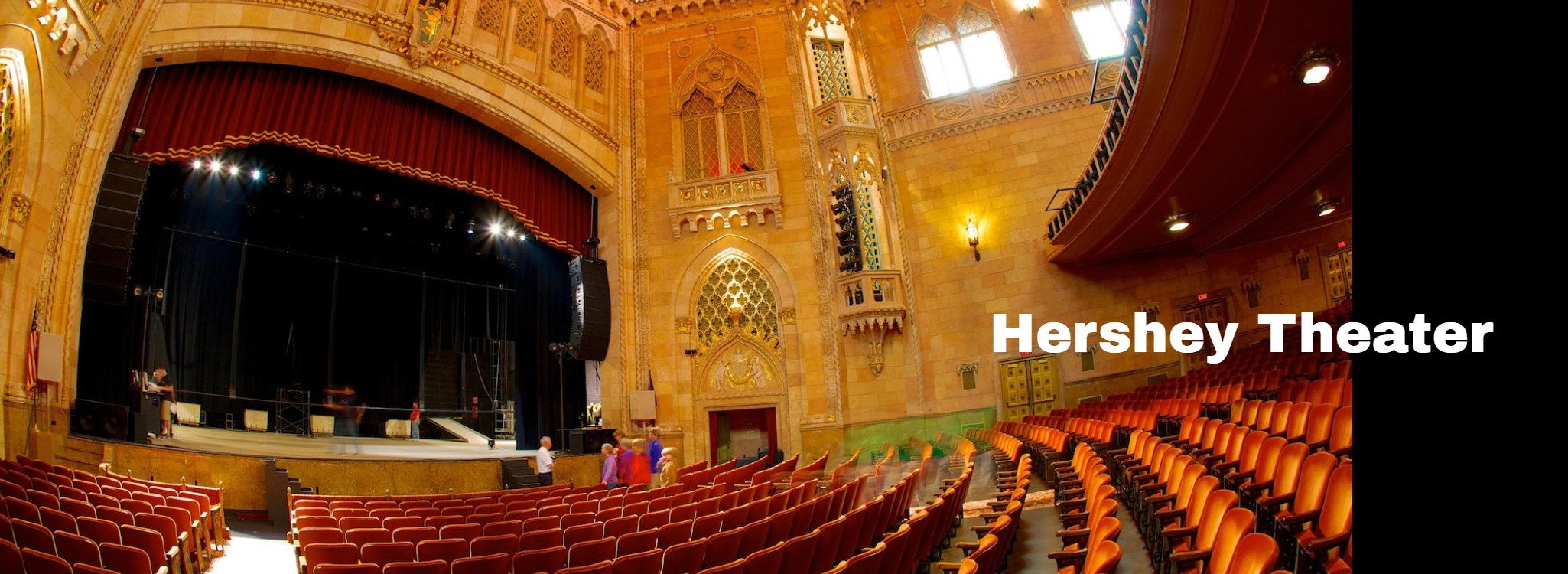
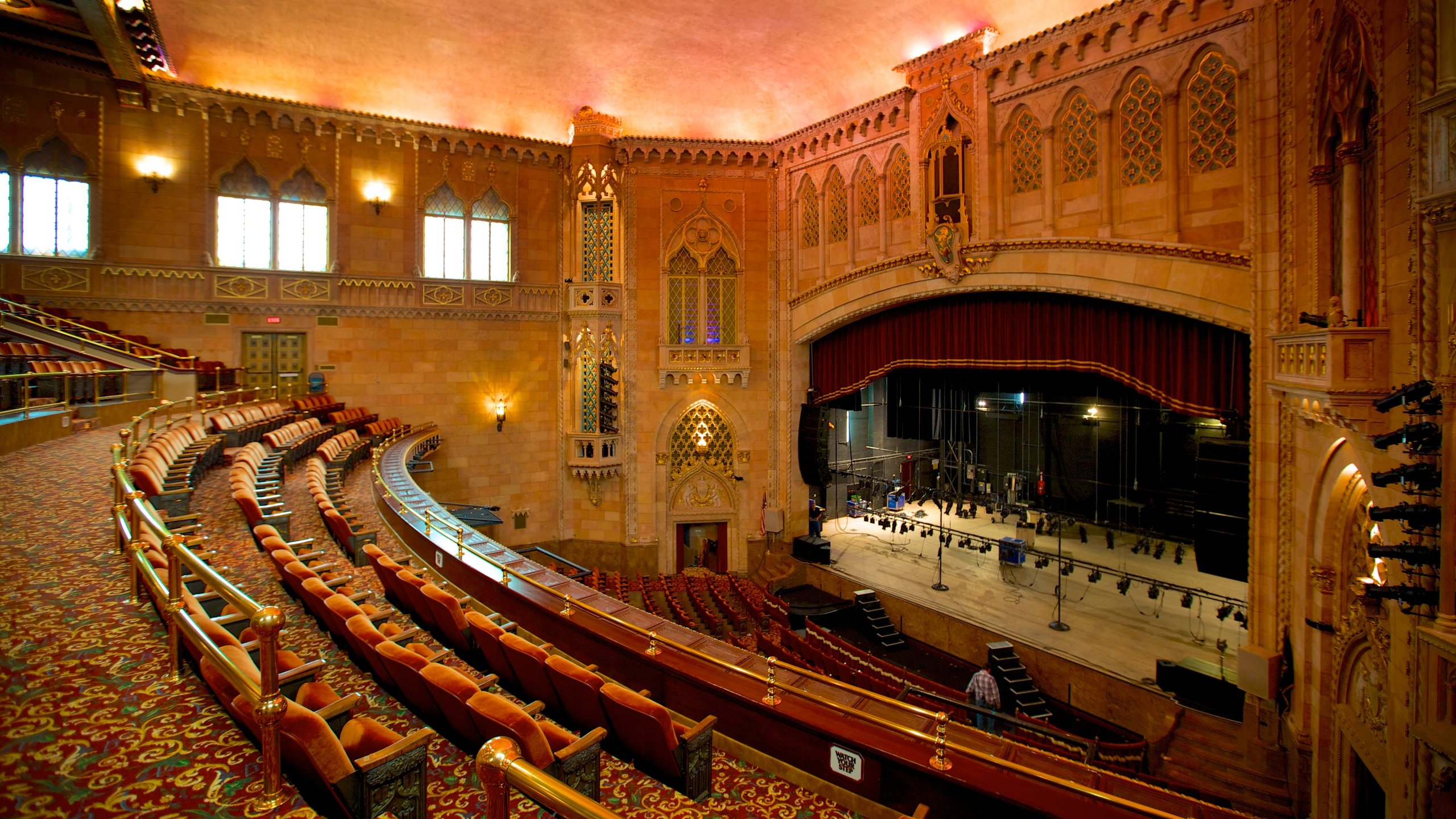
Hershey Theater
Performing arts venue balancing water efficiency with high-quality patron experience.
View ProjectAdvanced questions about reducing water waste in commercial restrooms
These frequently asked questions address specification, engineering, maintenance, and operational challenges associated with minimizing water waste in high-traffic commercial restroom environments.
Why do some commercial restrooms still waste water even after installing touchless faucets?
Installing sensor faucets alone does not guarantee water savings. Poor sensor calibration, excessive flow rates, incorrect basin geometry, and outdated plumbing layouts can all contribute to unnecessary water use. Water-efficient performance requires properly selected commercial touchless faucets, coordinated touchless faucet and soap systems, and guidance from the EPA WaterSense program. Regular calibration and maintenance schedules help ensure long-term savings.
How can facility managers verify that touchless faucets are actually reducing water consumption?
The most reliable approach is to compare baseline water usage before and after installation while monitoring activation time, flow duration, and user throughput. Commercial facilities often combine high-efficiency sensor faucet systems with automatic soap dispensers to improve both hygiene and water efficiency.
Does reducing faucet flow always improve water efficiency?
Not necessarily. Excessively low flow may increase rinse time, causing users to reactivate the faucet multiple times. The goal is balanced performance that supports fast handwashing while minimizing unnecessary runtime. The EPA WaterSense specifications provide valuable guidance for selecting efficient commercial faucets.
What restroom design features have the greatest impact on reducing water waste?
Efficient sink spacing, properly positioned soap dispensers, optimized drain layouts, accurate sensor placement, and coordinated fixture selection all contribute to reduced water consumption. Projects using integrated touchless faucet and soap systems generally achieve more consistent results than independently selected fixtures.
Should automatic soap dispensers be considered part of a water conservation strategy?
Yes. Efficient soap dispensing encourages users to complete handwashing in a consistent sequence, reducing repeated faucet activations. Commercial restroom designers frequently specify automatic soap dispensers alongside sensor faucets to improve workflow and reduce unnecessary water use.
What maintenance issues can increase water waste in sensor-operated faucets?
Dirty sensors, sticking solenoid valves, incorrect sensor range, damaged aerators, and neglected maintenance schedules may all increase water consumption. Preventive maintenance combined with standardization, such as using commercial touchless faucet families, helps facility teams maintain consistent performance.
Can water conservation conflict with ADA accessibility requirements in commercial restrooms?
Not when fixtures are properly specified. Sensor faucets support ADA lavatory and sink requirements because they eliminate the need to grip or twist handles. Combined with controlled flow and automatic shutoff, accessible touchless faucets can maintain water efficiency while meeting accessibility standards.
How do plumbing engineers influence water conservation in large venue restrooms?
Plumbing engineers design distribution systems that maintain consistent pressure, temperature, and flow to all fixtures. They specify isolation valves, pressure regulators, and strainers that support efficient fixture operation. Engineering teams should coordinate with ASPE plumbing standards and IAPMO product certification to ensure selected fixtures meet both performance and sustainability requirements.
Reference Library
Explore additional resources covering water conservation in commercial restrooms, touchless faucet technology, sensor precision, controlled flow, sustainability, fixture durability, and industry standards. The following references include related Fontana project pages, product collections, and trusted technical guidance that support water-conscious restroom planning in high-traffic facilities.