
Manual Soap Dispensers
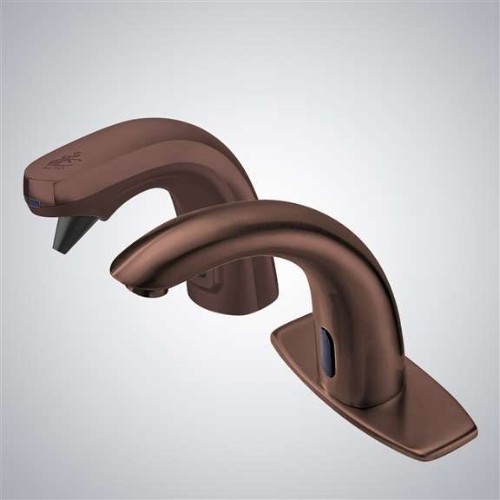
Manual soap dispensers are much more affordable than automatic ones. Although it is not much better than the automatic, it still worth it according to your budget. The manual soap dispensers have a push system for the ejection of the soap. It doesn’t require microchips and batteries that lessen its cost up to much extend. Many manual soap dispensers are available in the form of sets with automatic faucets. You can buy them separately also.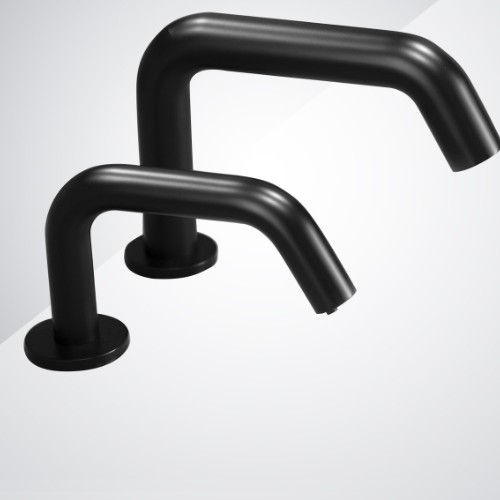 |
 |
.jpg) |
Automatic Soap Dispensers
Automatic soap dispensers are hygienically beneficial in public places; restrooms, hotels, restaurants, guestrooms, and commercial units. It helps in stopping the contamination of germs. They have infra-red microchips which can detect the human body. They work with AA Alkaline batteries which is installed separately. Waterproof and long-lasting batteries. They are expensive as compared to Manual soap dispensers. They ensure minimum loss of soap. It saves your time as well. Just like a manual soap dispenser, automatic soap dispenser is also available in many colors and finishes. They can be used at domestic level. but it has gained much attraction from the commercial units. This is because of its touch-free system. It saves time and soap. It is very convenient to use. It looks very elegant when installed in commercial units.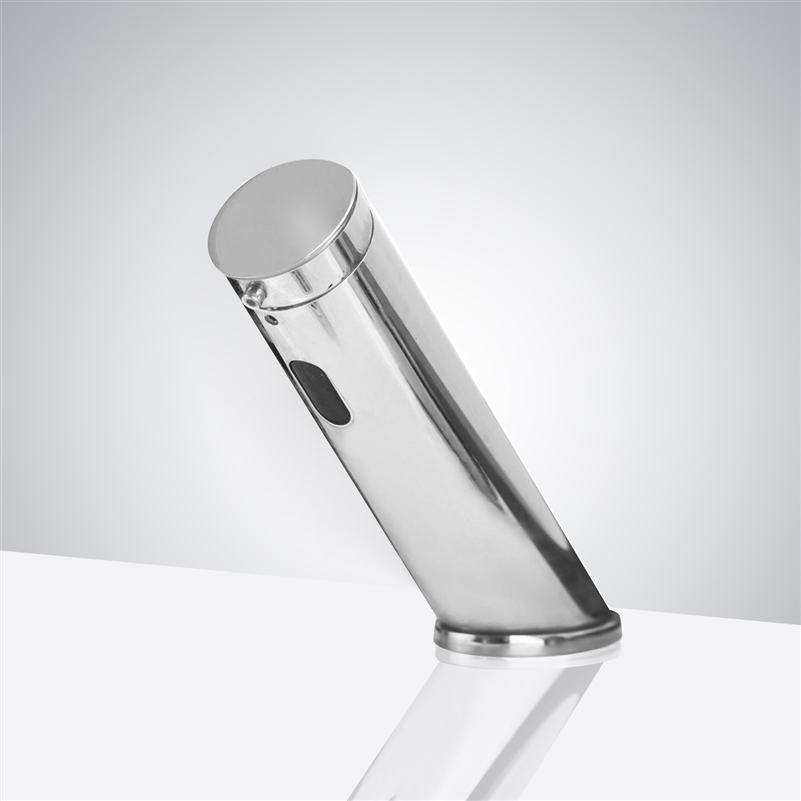
Luxury Touchless Faucet & Soap Dispenser Collections
Explore premium touchless faucet systems and automatic soap dispensers designed for hospitality, healthcare, airports, and smart restroom environments.
Professional guide for fixing commercial automatic soap dispenser problems.
Commercial touchless soap dispensers supporting restaurant sanitation efficiency.
Luxury wall-mounted soap dispenser fixture for upscale commercial bathrooms.
Commercial-grade automatic soap dispensers engineered for hygiene efficiency.
Elegant gold soap dispenser designed for luxury hospitality restroom projects.
Review commercial touchless kitchen faucets with advanced sensor technologies.
Sensor faucets with digital temperature control and smart water management.
Touch-free sink systems optimized for commercial restroom automation.
Common Issues and Solutions
Microbial Sampling, Branch Hygiene & Upstream Migration
AEC guidance for microbiological sampling, branch-specific contamination, dead-end stagnation, upstream migration and one-way isolation within centralized commercial soap-distribution systems.
What microbiological sampling location gives the most representative indication of system hygiene: reservoir, manifold, tubing, valve, or nozzle?
No single location is universally representative; sample reservoir, manifold, distal tubing, valves, and nozzles using a defined hygiene plan.
Could a centralized system contain different microbial populations at different branch locations?
Yes; flow, stagnation, temperature, biofilm, branch length, and cleaning history can create distinct microbial communities between branches.
Does microbial risk increase toward dead-end portions of a distribution network?
Generally, yes; low-flow dead ends can increase stagnation and biofilm persistence, making distal branches higher-priority sampling locations.
Could microbial communities migrate upstream from individual dispenser outlets?
Potentially; contamination can move upstream through backflow, capillary transport, or handling, especially without effective one-way isolation.
How effective are one-way microvalves at preventing upstream microbial migration?
Effective check microvalves can reduce reverse flow, but microbial control still depends on sealing, cleanliness, and verified maintenance.


