
Reducing Plumbing Maintenance with Smart Faucets
Smart faucets are transforming commercial plumbing systems by reducing water waste, improving restroom hygiene, lowering mechanical wear, and giving facility teams better control over daily maintenance. For hotels, healthcare facilities, restaurants, office buildings, schools, airports, and public restrooms, touchless faucet systems are now practical engineering tools for reducing service calls and improving long-term building performance.
For commercial specifications, maintenance performance should be evaluated against fixture duty cycle, service access, power requirements, and manufacturer documentation.

Why Smart Faucets Reduce Maintenance
Smart faucets reduce service demand by removing manual handle operation, controlling runtime, limiting unnecessary water flow, and reducing physical contact with fixture surfaces. In commercial restrooms, this helps facility teams reduce cartridge wear, vandal damage, loose handles, water waste, and hygiene-related cleaning pressure.
Less Mechanical Wear
Sensor activation removes repeated handle use and reduces mechanical stress in high-traffic restrooms.
Controlled Water Flow
Automatic shut-off helps prevent faucets from being left running and supports water-efficiency goals.
Better Maintenance Planning
Connected systems can support alerts, usage reporting, abnormal-flow monitoring, and faster troubleshooting.
Smart Faucets vs. Traditional Faucets
| Feature | Smart Faucets | Traditional Faucets |
|---|---|---|
| Operation | Touchless, sensor-based, timed, or connected control. | Manual handle operation. |
| Water Efficiency | Automatic shut-off reduces unnecessary water flow. | Depends heavily on user behavior. |
| Maintenance Monitoring | Can support alerts for low battery, abnormal use, or service needs. | Problems are often noticed only after failure or complaints. |
| Hygiene | Reduces hand contact with fixture surfaces. | Requires touching handles. |
| Wear and Tear | Reduced mechanical strain from user interaction. | Handles, cartridges, and trim are exposed to frequent use. |

Engineering Design Purpose
The purpose of smart faucet engineering is controlled water delivery. A well-designed commercial faucet reduces accidental water waste, lowers mechanical wear, limits user contact, supports hygiene protocols, and gives facility teams more predictable maintenance cycles.
For high-traffic buildings, this means fewer emergency calls, fewer damaged handles, cleaner counters, and better restroom uptime.
IoT Architecture in Smart Faucet Systems
IoT-enabled faucet systems collect operational data from sensors, power modules, flow controls, and valve activity. A local control module processes the signal and activates the solenoid valve. In connected environments, fixture data can be transmitted to a dashboard or building-management workflow for maintenance planning.
- Sensor detects hand presence or movement.
- Controller validates signal and activation timing.
- Solenoid valve opens and closes water flow.
- Flow regulator stabilizes usage and splash control.
- Maintenance data may support alerts and reporting.
Maintenance Checklist
| Maintenance Task | Recommended Frequency | Purpose |
|---|---|---|
| Clean Sensor Surface | Monthly | Removes dirt, soap residue, and mineral buildup that may interfere with sensing. |
| Inspect Aerator or Laminar Outlet | Quarterly | Maintains consistent flow, reduces splash, and prevents clogging. |
| Check Battery or Power Supply | Every 3–6 months | Prevents unexpected shutdowns in high-use restrooms. |
| Test Shut-Off Timing | Quarterly | Confirms proper water control and prevents unnecessary runtime. |
| Inspect Solenoid Valve | Every 6 months | Verifies accurate opening and closing of the water pathway. |

Rare Smart Faucet Questions Most Pages Do Not Answer
Most smart faucet articles only answer basic questions about water savings or touchless operation. The following FAQ section is written for architects, engineers, facility managers, plumbers, procurement teams, and building owners who need deeper specification-level answers.
Frequently Asked Questions
How can smart faucets reduce hidden maintenance costs that do not appear in the purchase price?
Hidden faucet costs usually come from repeated handle repairs, after-hours service calls, water waste, cleaning labor, battery neglect, leak callbacks, and restroom complaints. Smart faucets reduce several of these cost points by removing manual handles, controlling flow duration, and supporting more predictable inspection routines. For water-efficiency context, reference EPA WaterSense. For facility-maintenance relevance, reference IFMA.
What sensor problems cause false activation in commercial restrooms?
False activation can be caused by reflective sink bowls, bright sunlight, poor sensor angle, incorrect sensing distance, splashing water, glossy counters, or users walking too close to the fixture. A better design uses controlled sensor geometry, tuned activation zones, and proper installation spacing. For commercial design coordination, reference AIA and ArchDaily Products.
Should smart faucets use battery power, hardwired power, or hybrid AC/DC power?
Battery power can simplify retrofit work, hardwired power is often better for high-traffic permanent installations, and hybrid AC/DC systems provide redundancy when facility uptime is important. The best choice depends on restroom traffic, access panels, electrical availability, maintenance staffing, and building standards. For electrical safety and product evaluation context, reference UL Solutions and ANSI.
How does solenoid valve quality affect long-term faucet reliability?
The solenoid valve is one of the most important components in a smart faucet because it opens and closes the water pathway thousands of times. Poor valve quality can cause delayed shut-off, intermittent flow, weak activation, dripping, or total fixture failure. For plumbing product standards and certification context, reference IAPMO, ASME, and NSF.
Can smart faucets help reduce restroom cleaning labor?
Yes, but mostly indirectly. Smart faucets reduce handle contact, uncontrolled splashing, water left running, and user-caused mess around the sink deck. This can make daily cleaning more predictable in high-use restrooms. For hygiene and handwashing context, reference CDC Handwashing. For facility operations context, reference FacilitiesNet.
Why do some smart faucets fail earlier in airports, schools, and stadiums?
Early failure often comes from poor vandal resistance, weak mounting hardware, exposed electronics, low-quality solenoid valves, poor battery access, hard-water buildup, or incorrect sensor calibration. High-traffic applications require stronger bodies, secure mounting, serviceable parts, reliable power, and clear maintenance access. For building operations references, use BOMA and IFMA Resources.
What should specifiers check before approving smart faucets for LEED or WELL projects?
Specifiers should check flow rate, water-efficiency documentation, material safety, hygiene benefits, maintenance access, power requirements, and compatibility with the project’s sustainability goals. For green-building references, use USGBC LEED, LEED Credits, and WELL Building Institute.
How can smart faucets support predictive maintenance in large commercial buildings?
Predictive maintenance becomes possible when faucet systems provide useful operational signals such as activation count, abnormal runtime, low battery, valve errors, or unusual flow behavior. Facility teams can use this information to service fixtures before failures become complaints. For smart building and facility references, use IFMA and Facility Executive.
What is the most overlooked installation detail for touchless faucets?
The most overlooked detail is sensor environment. Sink shape, counter reflectivity, faucet angle, lighting, user approach, and nearby movement can all affect activation performance. Installation drawings should account for sensor range and fixture spacing before final approval. For AEC specification and digital product coordination, reference ARCAT, Sweets Construction, and BIMobject.
Are smart faucets harder for plumbers to troubleshoot than manual faucets?
They are different, not necessarily harder. Troubleshooting moves beyond cartridges and handles into sensor alignment, power supply, solenoid function, filters, aerators, and control modules. Clear access to service parts makes the biggest difference. For plumbing engineering context, reference ASPE, ASSE International, and IAPMO.
Final Engineering Summary
Smart faucets are not only modern restroom upgrades. They are commercial plumbing-management tools designed to reduce mechanical wear, control water use, improve hygiene, and support more predictable maintenance planning. When specified correctly, they help commercial buildings operate cleaner, safer, and more efficiently.
Smart Faucet Reviews for Architects, Engineers & Facility Professionals
Six product-specific reviews selected for their relevance to smart restroom design, infrared sensing, automated water delivery, commercial commissioning, connected facility strategies and high-use washroom operation.
Selected Smart Faucet Field Reviews
Reviews were selected from the FontanaShowers customer review archive for direct relevance to smart or automated restroom systems. Greater weight was given to reviews describing professional design decisions, sensor behavior, commissioning, high-use applications, connected-facility context or maintenance experience.
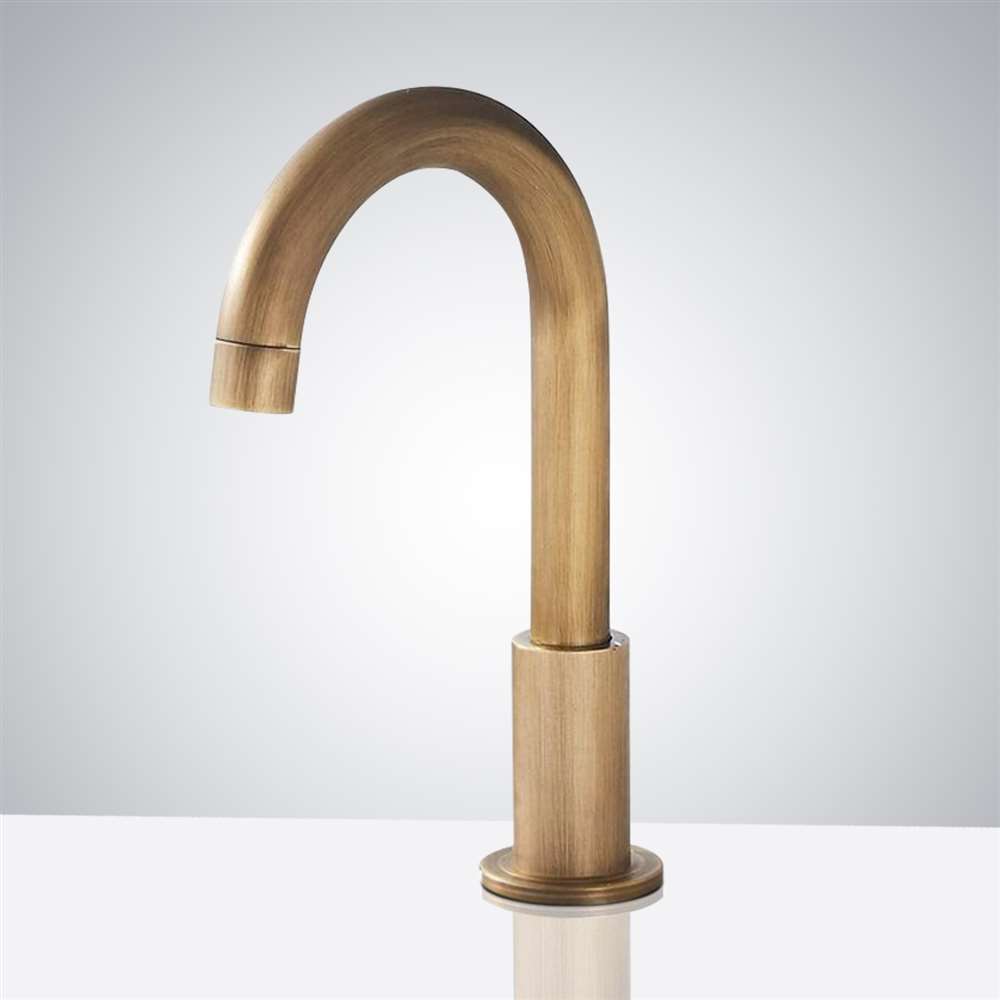
Fontana AquaMotion™ Antique Commercial Touchless Infrared Sensor Smart Faucet
View Product & Technical Resources →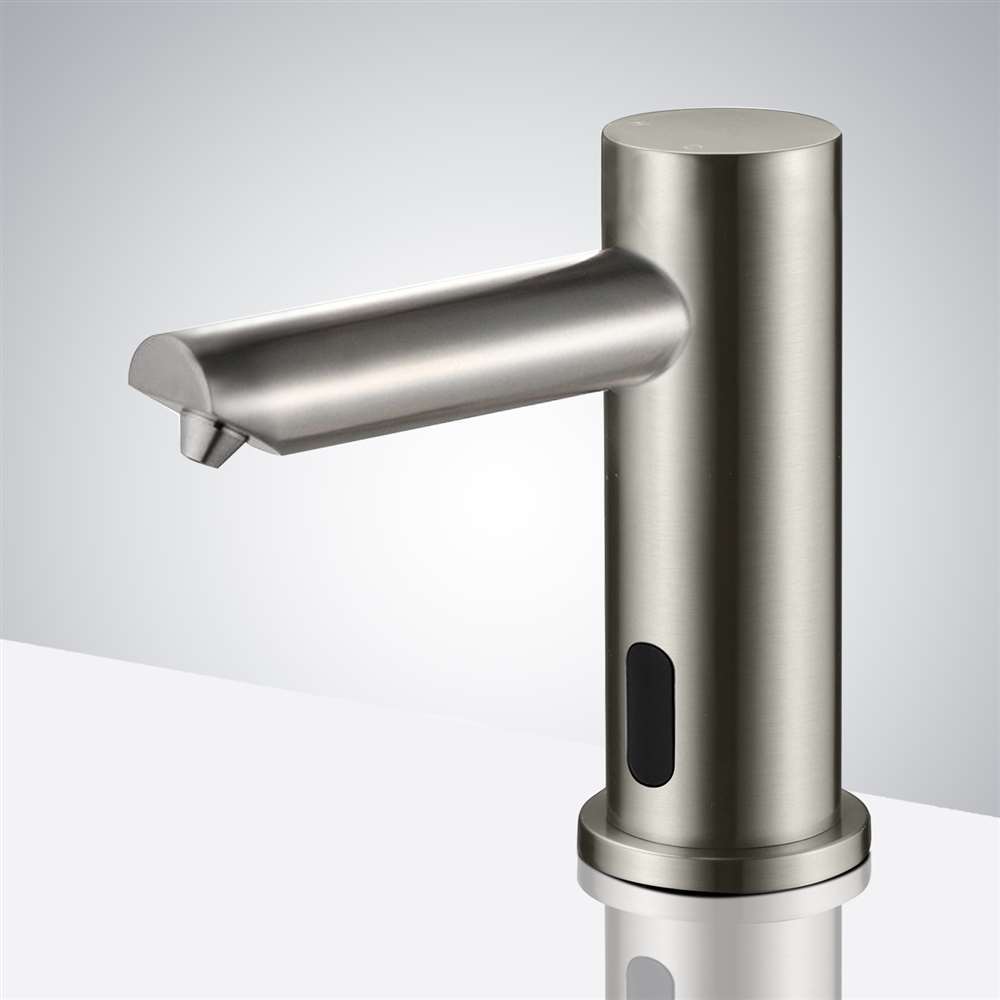
Fontana Commercial Brushed Nickel Automatic Sensor Faucet
View Product & Technical Resources →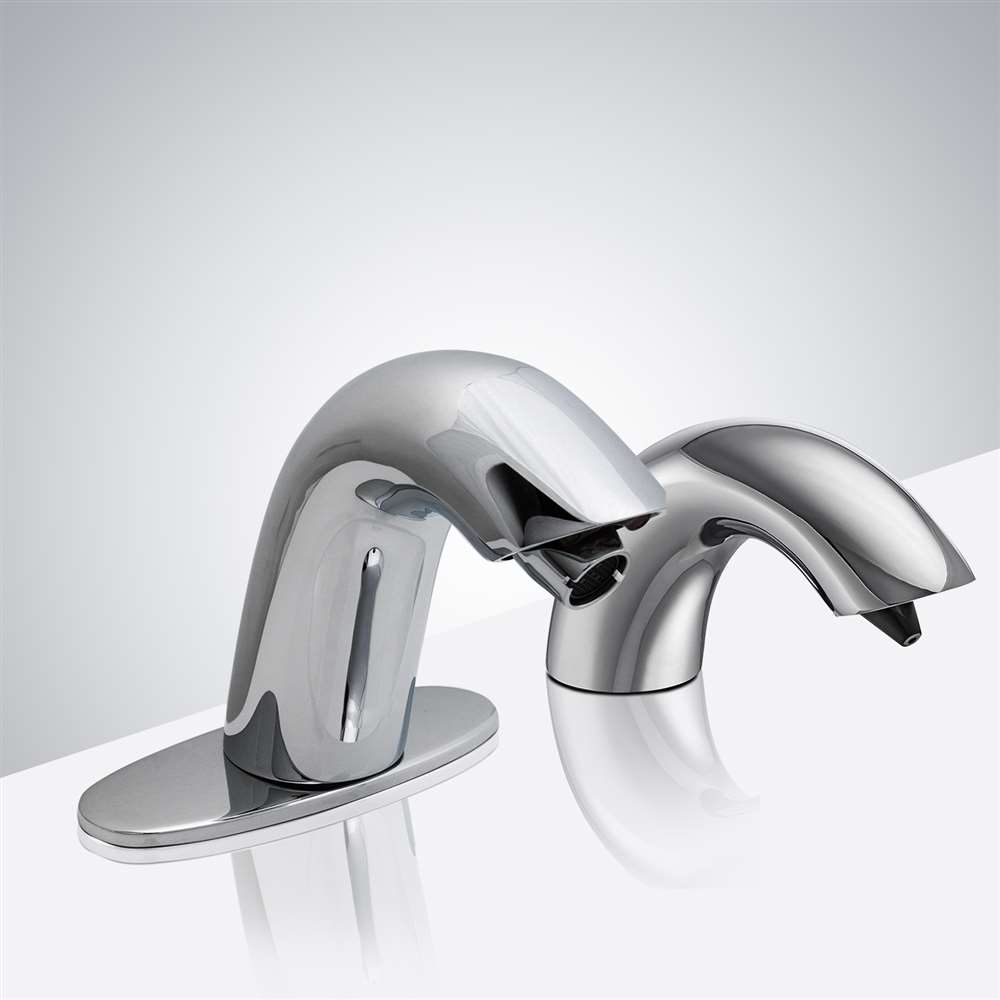
Fontana Conto Commercial Chrome Automatic Motion Sensor Faucet & Soap Dispenser
View Product & Technical Resources →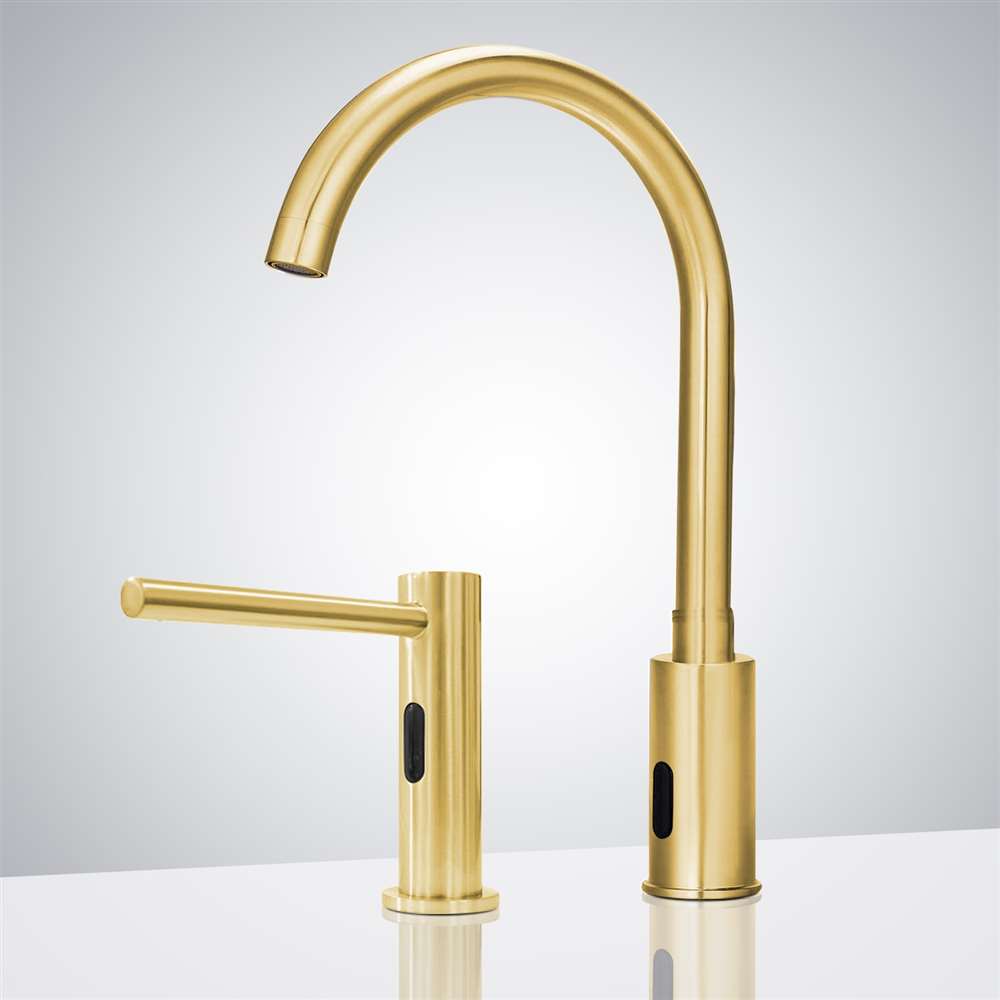
Fontana Brushed Gold Gooseneck Automatic Sensor Faucet & Commercial Soap Dispenser
View Product & Technical Resources →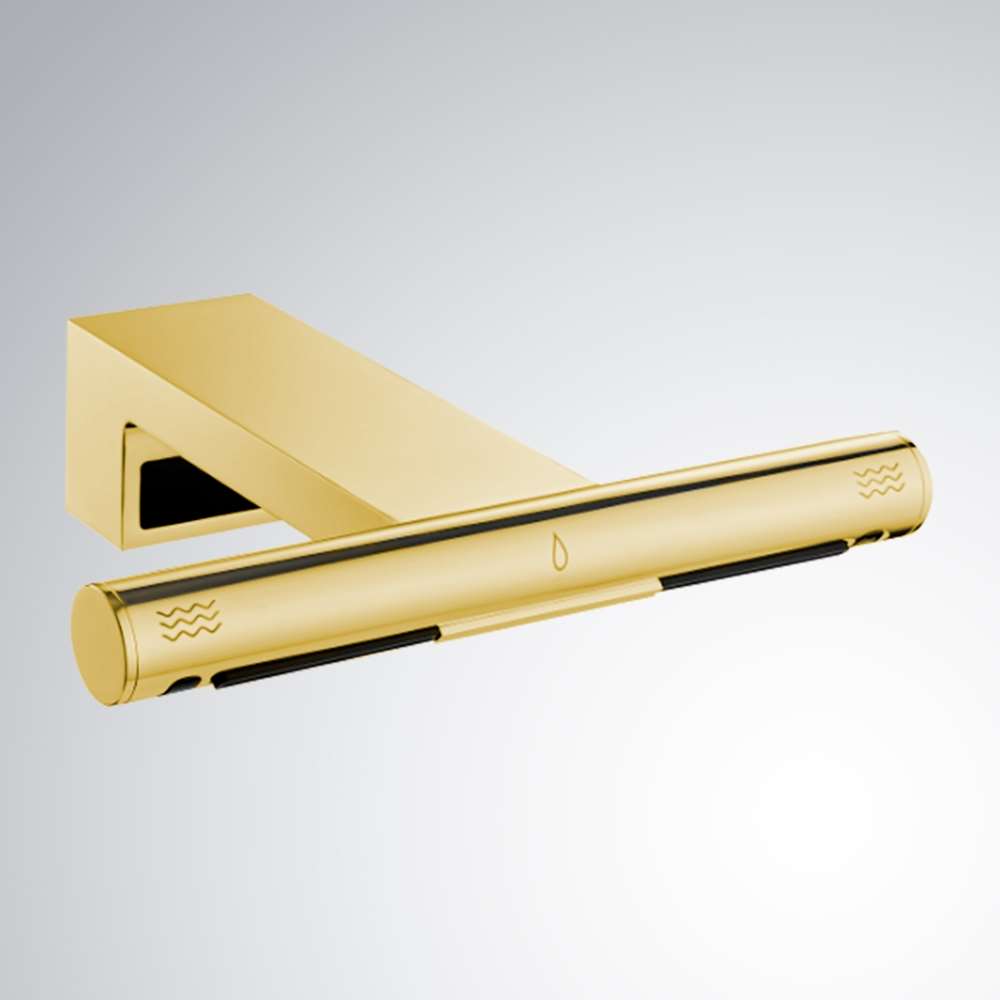
Fontana Commercial Automatic Integrated Wall-Mount Sensor Faucet with Hand Dryer
View Product & Technical Resources →
Fontana Rio Tall Deck-Mount Hands-Free Commercial Automatic Chrome Faucet
View Product & Technical Resources →Smart Faucet Professional Evidence Matrix
This comparison organizes the customer evidence around issues most relevant to architects, plumbing engineers, contractors and facility teams evaluating automated restroom fixtures.
| Model | Professional Context | Smart / Automated Signal | Sensor / Operational Evidence | Installation / O&M Signal | AEC Relevance |
|---|---|---|---|---|---|
| FB085A | Architect | Smart restroom integration | Touchless infrared operation | Standard plumbing compatibility and installation guidance noted | Commercial design + fixture specification |
| FB505S | Architectural practice | Smart-restroom / IoT-ready context reported | Hands-free operation | Maintenance-cycle considerations | Hospitality, workplace and retail design |
| FB507CD-SD | Design studio | Connected facility-management context reported | Automatic faucet + dispensing system | Modular connections and documentation discussed | Division 22 coordination + facility operations |
| FB510-9070 | Healthcare design | Smart restroom / usage-data context reported | Automated faucet + dispenser system | Operational-data potential highlighted | Office, wellness and hospitality environments |
| FSAD08 | Commercial user | Integrated automated wash-and-dry system | Consistent sensor accuracy reported | Repeated-use stability reported | Integrated commercial wash-station planning |
| FST9879S-SF | Systems consultant | Automated commercial fixture operation | Activation timing and shutoff consistency evaluated | Maintenance and sensor-adjustment experience reported | Transportation + high-traffic restroom modernization |
How AEC Professionals Should Interpret Smart Faucet Reviews
Smart-faucet customer feedback is most useful when the product, installation environment and reviewer context are identifiable. Field reviews provide experience-based evidence, while specification documents remain the controlling source for project requirements.