Commercial Sensor Faucet Problems and Solutions
Commercial sensor faucets have become an essential part of modern public restrooms. From airports and hotels to hospitals and office buildings, touchless faucets help improve hygiene, reduce water waste, and create a more convenient user experience. However, like any commercial plumbing fixture, sensor faucets can occasionally experience operational issues if they are not installed or maintained properly.
Understanding the most common commercial sensor faucet problems and their solutions can help facility managers, contractors, and maintenance teams reduce downtime and extend the life of their restroom fixtures. In this guide, we explore the most frequent sensor faucet issues and how to solve them effectively.
For reliable troubleshooting, facility teams should verify sensor, power, solenoid, and water-supply conditions against manufacturer specifications before replacing components.
1. Sensor Faucet Not Turning On
One of the most common issues with commercial touchless faucets is when the sensor does not activate water flow. This problem can frustrate users and create unnecessary maintenance calls.
Possible Causes
- Dead batteries
- Disconnected power supply
- Dirty or blocked sensor window
- Loose electrical connections
- Faulty solenoid valve
Solutions
Start by checking the faucet’s power source. If the faucet uses batteries, replace them with fresh commercial-grade batteries. For AC-powered systems, inspect the transformer and electrical connections.
Next, clean the sensor window using a soft cloth to remove dirt, water spots, or soap buildup that may interfere with infrared detection. If the faucet still does not activate, inspect the solenoid valve and sensor cable connections for damage or loose fittings.
2. Water Keeps Running Continuously
A commercial sensor faucet that does not shut off properly can waste large amounts of water and increase utility costs.
Possible Causes
- Dirty sensor lens
- Sensor range set too high
- Faulty solenoid valve
- Reflective surfaces causing false activation
Solutions
Clean the sensor lens thoroughly and check for reflective surfaces near the faucet, such as mirrors or chrome sink accessories, which may trigger continuous activation.
Many commercial faucets allow sensor range adjustment. Reducing the detection range can help prevent false triggers. If the issue continues, replacing the solenoid valve may be necessary.
3. Weak Water Flow
Low water pressure or weak flow is another common complaint in commercial restroom installations.
Possible Causes
- Clogged aerator
- Debris inside supply lines
- Partially closed shutoff valves
- Low building water pressure
Solutions
Remove and clean the faucet aerator to eliminate mineral deposits or debris buildup. Commercial facilities with hard water often experience clogged aerators more frequently.
Inspect the water supply valves and confirm they are fully open. If pressure issues continue throughout the building, the problem may be related to the plumbing system rather than the faucet itself.
4. Faucet Sensor Activates Randomly
Random faucet activation can lead to unnecessary water usage and maintenance concerns.
Possible Causes
- Improper sensor calibration
- Bright lighting interference
- Reflective surfaces nearby
- Electrical interference
Solutions
Adjust the sensor sensitivity settings according to the manufacturer’s recommendations. Avoid placing reflective materials directly in front of the sensor area.
Some infrared sensors can also be affected by direct sunlight or strong LED lighting. Repositioning lighting fixtures or adjusting sensor angles may resolve the issue.
5. Soap or Mineral Buildup Around Sensor Area
Commercial restrooms experience constant exposure to soap residue, hard water minerals, and cleaning chemicals. Over time, buildup around the sensor area can affect performance.
Solutions
Establish a regular cleaning schedule using non-abrasive cleaners designed for commercial faucet finishes. Avoid harsh chemicals that may damage the sensor lens or protective coating.
Routine maintenance helps maintain accurate sensor operation and preserves the appearance of the faucet finish.
6. Battery Drain Issues
Battery-powered commercial sensor faucets occasionally experience excessive battery consumption.
Possible Causes
- High restroom traffic
- Continuous false activations
- Low-quality batteries
- Faulty electronic components
Solutions
Use high-quality alkaline or lithium batteries recommended by the manufacturer. In extremely busy facilities such as airports or stadiums, AC-powered or hybrid faucets may provide better long-term performance.
Checking sensor calibration can also reduce unnecessary activations that drain battery life.
Comparison Table: Battery-Powered vs. AC-Powered Faucets
Choosing between battery-powered and AC-powered commercial sensor faucets is an important decision for facility managers and contractors. Each power option offers different advantages depending on restroom traffic, maintenance preferences, and installation requirements.
| Feature | Battery Powered Sensor Faucets | AC Powered Sensor Faucets |
|---|---|---|
| Installation | Easier retrofit installation without electrical work | Requires nearby electrical connection |
| Maintenance | Requires periodic battery replacement | Lower long-term maintenance |
| Best For | Small offices, retrofit projects, low to medium traffic restrooms | Airports, hospitals, malls, stadiums, high-traffic facilities |
| Operating Cost | Ongoing battery replacement costs | Lower operational cost over time |
| Reliability | Reliable but dependent on battery life | Continuous operation with stable power |
| Downtime Risk | Possible shutdown if batteries are depleted | Minimal downtime when properly installed |
| Initial Cost | Usually lower upfront cost | Higher installation cost initially |
| Sustainability | Battery disposal required | More environmentally efficient long term |
| Backup During Power Failure | Continues operating until batteries drain | Hybrid systems may require battery backup |
| Recommended Usage | Moderate daily use | Heavy commercial usage |
Many modern commercial facilities now prefer hybrid systems that combine AC power with battery backup. This setup provides uninterrupted operation while reducing maintenance demands in high-traffic public restrooms.
Many modern commercial facilities now prefer hybrid systems that combine AC power with battery backup. This setup provides uninterrupted operation while reducing maintenance demands in high-traffic public restrooms.
7. Temperature Control Problems
Some commercial sensor faucets include integrated temperature mixing systems. Incorrect water temperature can become a safety and comfort concern.
Possible Causes
- Improper mixing valve adjustment
- Faulty thermostatic valve
- Inconsistent hot water supply
Solutions
Inspect and adjust the mixing valve according to manufacturer guidelines. Regular inspection of thermostatic components can help prevent sudden temperature fluctuations.
Preventive Maintenance Tips for Commercial Sensor Faucets
Preventive maintenance is the best way to avoid unexpected faucet failures in commercial facilities.
- Clean sensors and aerators regularly
- Inspect electrical connections periodically
- Replace batteries before complete discharge
- Check for leaks or loose fittings
- Use manufacturer-approved replacement parts
- Monitor water pressure levels
Routine inspections can significantly extend faucet lifespan while reducing costly emergency repairs.
Choosing High-Quality Commercial Sensor Faucets
Many operational problems can be minimized by selecting high-quality commercial-grade sensor faucets designed for heavy daily use. Durable materials, reliable sensors, and advanced electronic components all contribute to long-term performance.
Commercial facilities should look for features such as:
- Solid brass construction
- Advanced infrared sensor technology
- Water-saving flow control
- ADA compliance
- Vandal-resistant design
- Commercial-grade solenoid valves
Modern touchless faucet systems not only improve restroom hygiene but also support sustainability goals and reduce maintenance costs over time.
Commercial sensor faucets provide significant benefits for public restrooms, including improved hygiene, water conservation, and user convenience. While occasional technical issues may occur, most problems can be resolved quickly through proper troubleshooting and regular maintenance.
Understanding common commercial sensor faucet problems and solutions allows facility managers and maintenance teams to keep restroom systems operating efficiently while minimizing downtime and repair costs. Investing in high-quality commercial touchless faucets and implementing preventive maintenance practices can help ensure reliable long-term performance in any commercial environment.
Sensor Touchless Faucet Reviews for Architects, Designers & Commercial Restroom Teams
Six product-specific reviews selected for their relevance to commercial sensor faucet specification, installation, architectural integration, hands-free operation and real-world restroom applications.
Selected Sensor Touchless Faucet Reviews
Reviews were selected from the FontanaShowers review archive based on professional context and useful project observations rather than rating alone. Priority was given to feedback addressing sensor operation, installation, fixture integration, commercial deployment and durability.
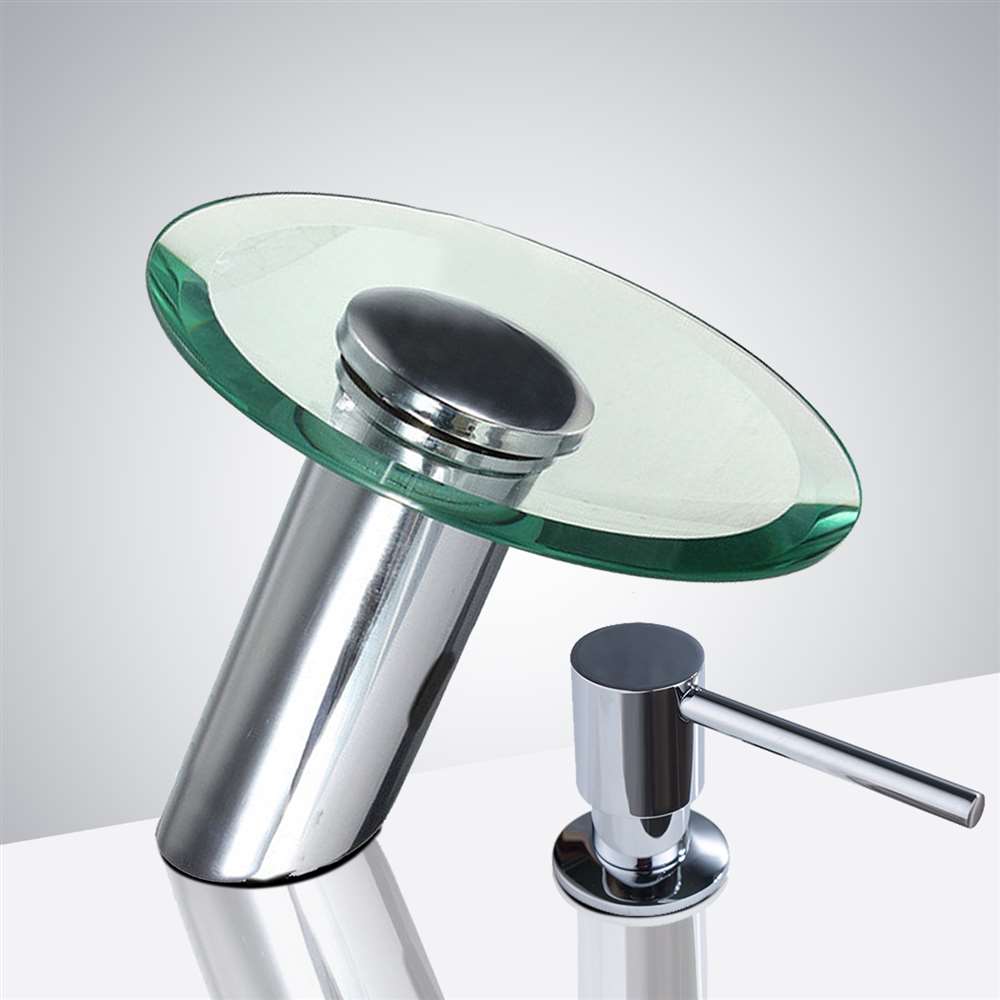
Fontana Chrome Commercial Waterfall Automatic Motion Sensor Faucet
View Product & Technical Resources →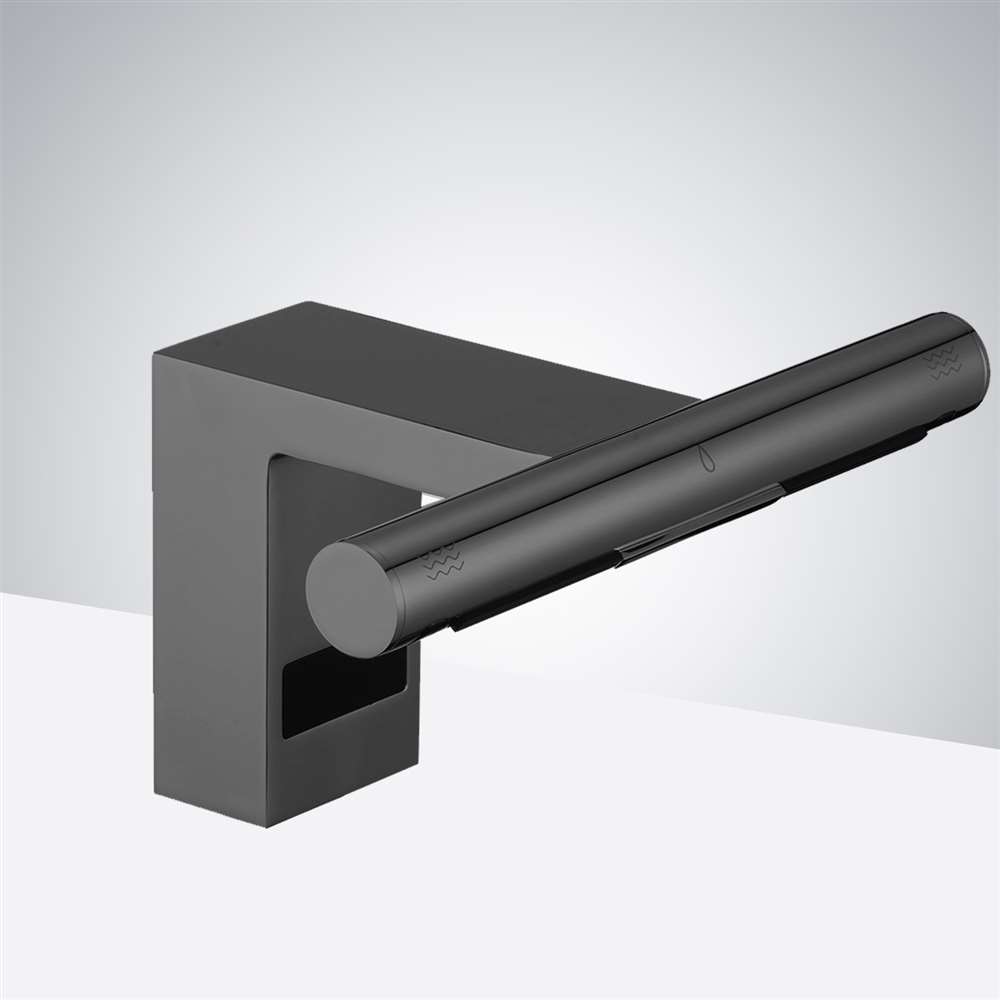
Fontana Commercial Automatic Touchless Sensor Faucet with Hand Dryer
View Product & Technical Resources →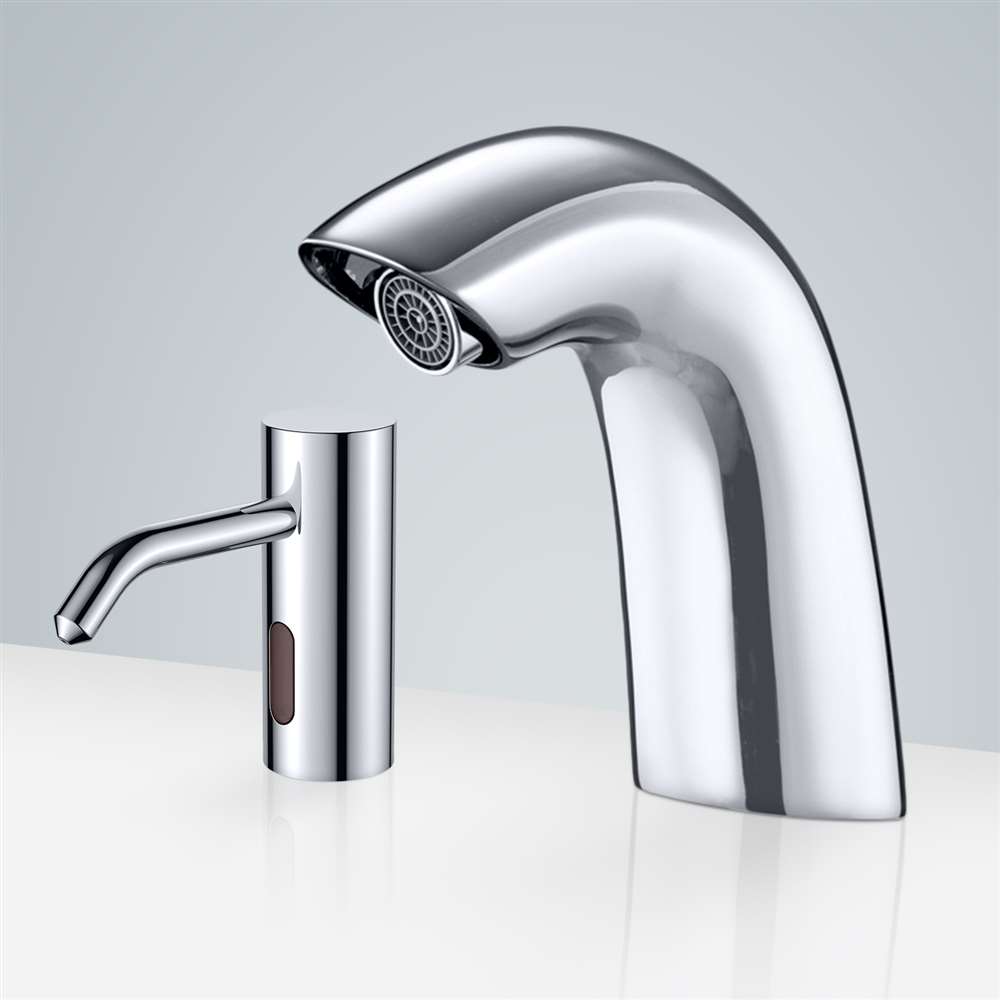
Fontana Verona Deck Mount Motion Sensor Faucet & Automatic Soap Dispenser
View Product & Technical Resources →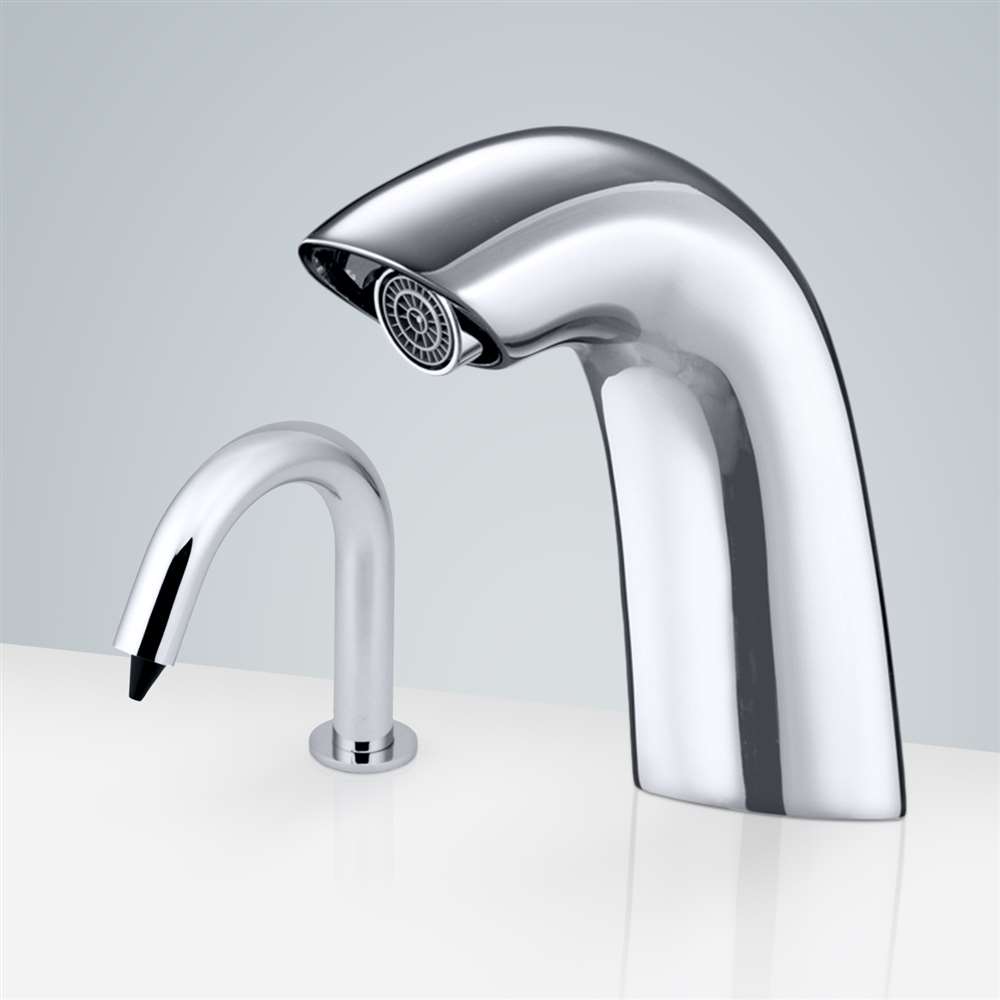
Fontana Verona Commercial Motion Sensor Faucet & Automatic Soap Dispenser
View Product & Technical Resources →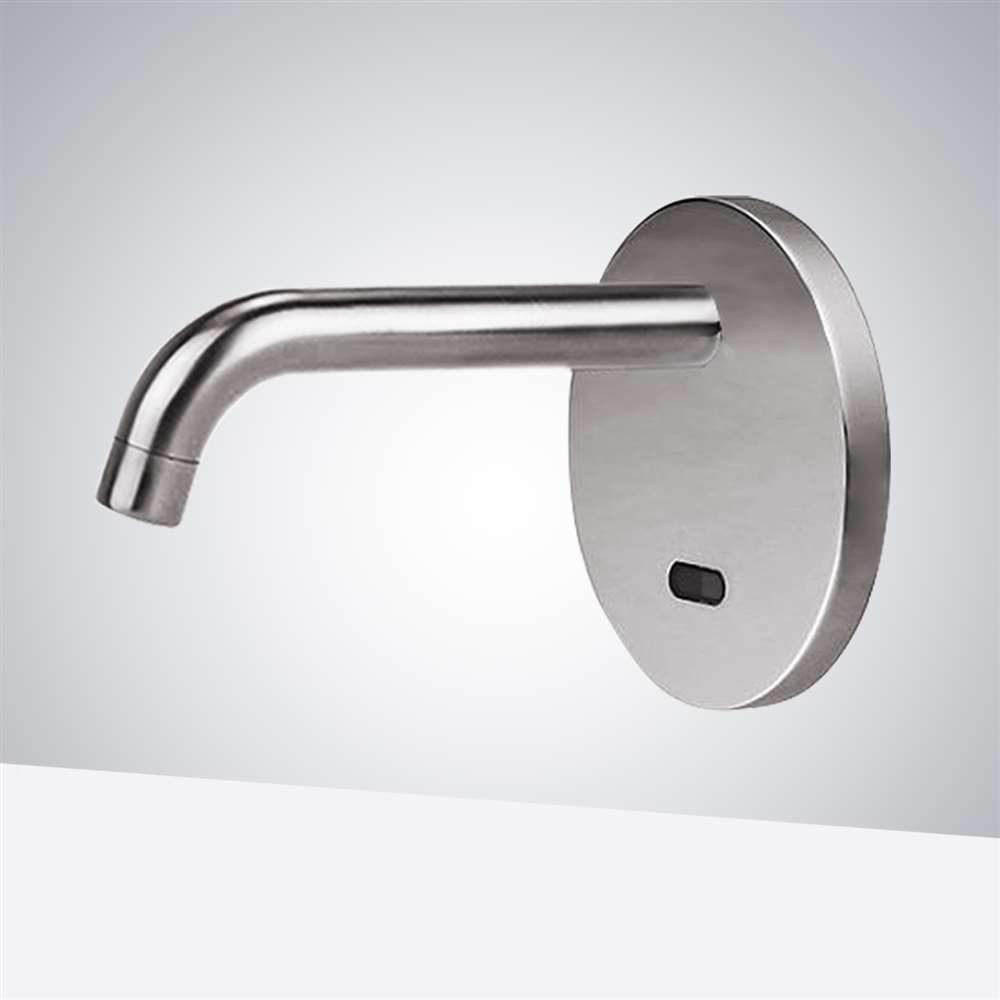
Fontana Electrical Sensor Commercial Sink Basin Brushed Nickel Faucet
View Product & Technical Resources →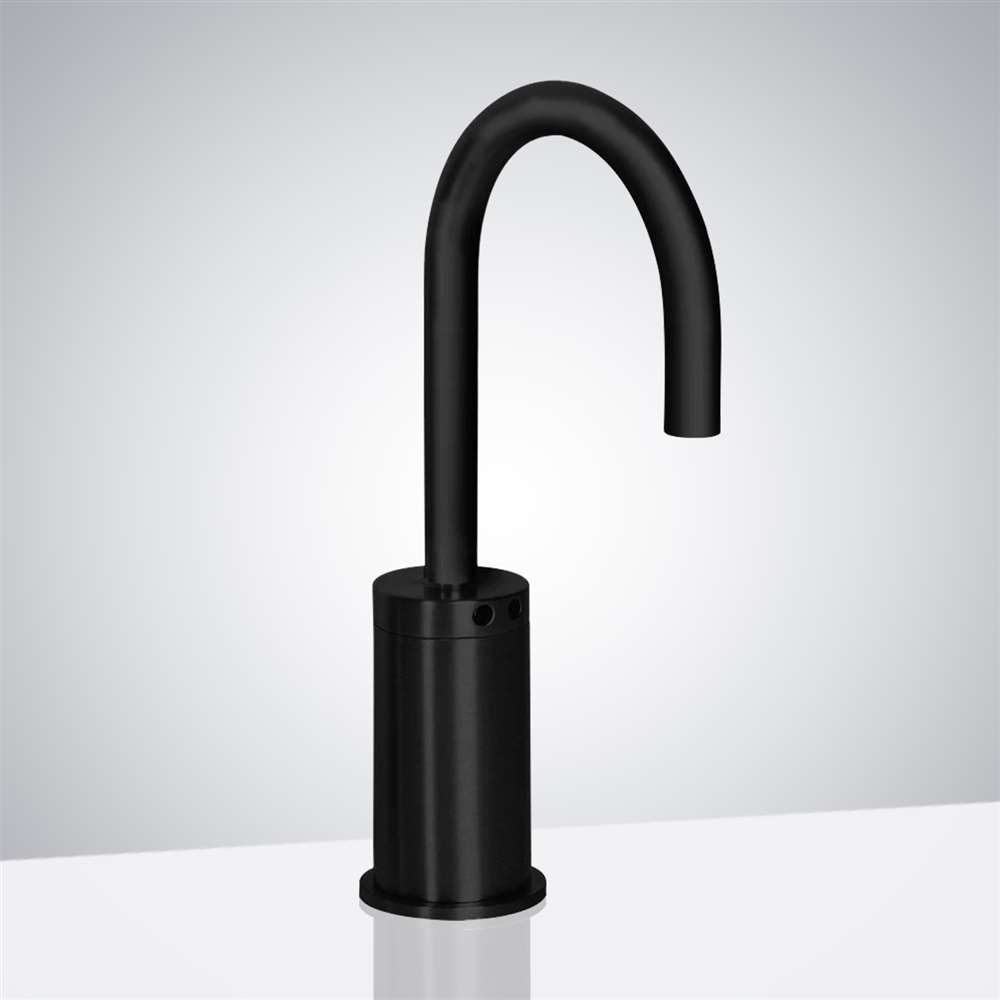
Fontana Geneva Gooseneck Commercial Automatic Smart Sensor Faucet
View Product & Technical Resources →Sensor Faucet Professional Evidence Matrix
The matrix below organizes the review evidence around issues typically relevant during design development, specification, installation and facility operation. Customer observations should be evaluated alongside current technical documentation for each project.
| Model | Reviewer / Organization | Project Context | Touchless / Sensor Evidence | Installation Signal | Professional Relevance |
|---|---|---|---|---|---|
| FB518M | Ahr Architects | Restroom sensor-faucet upgrade | Touchless operation compared with previously used conventional fixtures | Installation described as straightforward | Retrofit and fixture-selection perspective |
| FSAD07 | Holzman Moss Architecture | Restaurant handwashing area | Integrated touchless faucet operation | Integrated faucet and hand-dryer system | Wash-and-dry station planning |
| FS18165 | Keppie Design | Commercial restroom fixture evaluation | Sensor faucet performance reported positively | Instructions described as clear and easy to understand | Design integration and installation coordination |
| FS18167 | Matteo Cainer Architects | Hotel renovation / presidential suites | Automatic sensor faucet deployed across bathrooms | Multi-room project application | Hospitality specification and finish coordination |
| FS5061-B | Foster + Partners Buildings | Five-unit office restroom installation | Touchless operation specifically evaluated | Installation described as uncomplicated | Office restroom rollout and architectural appearance |
| FS2228 | JST Architects | Business restroom design | Touchless functionality considered alongside design | Fixture integration emphasized | Contemporary commercial restroom aesthetics |
Professional Review Evidence: How to Interpret the Feedback
Customer reviews can add valuable field context to a specification decision when reviewer identity, product model and installation environment remain traceable. They should supplement—not replace—the current specification sheet, BIM data, installation instructions and applicable project requirements.
Related Commercial Sensor Faucet Troubleshooting Guides