Commercial Restroom Planning
Solving Deck-Mount Fixture Alignment Problems in Commercial Restrooms
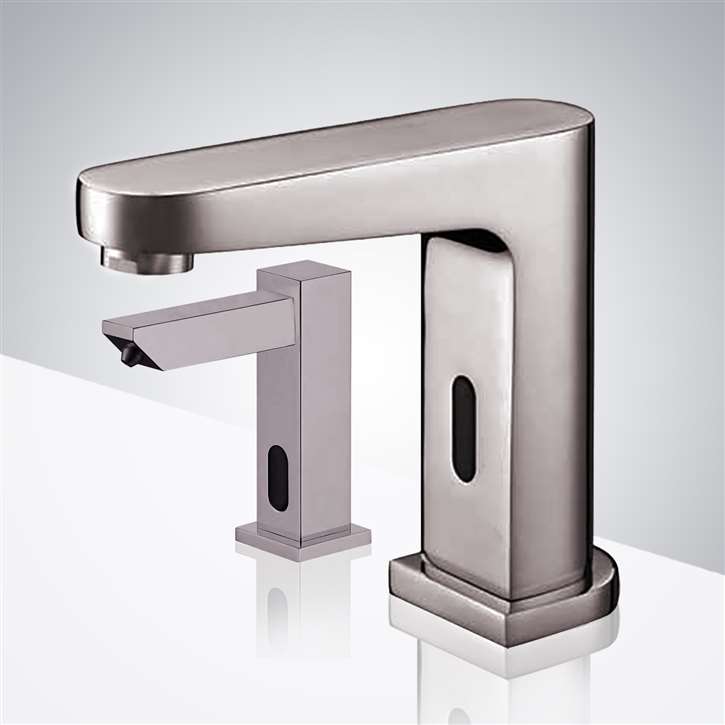
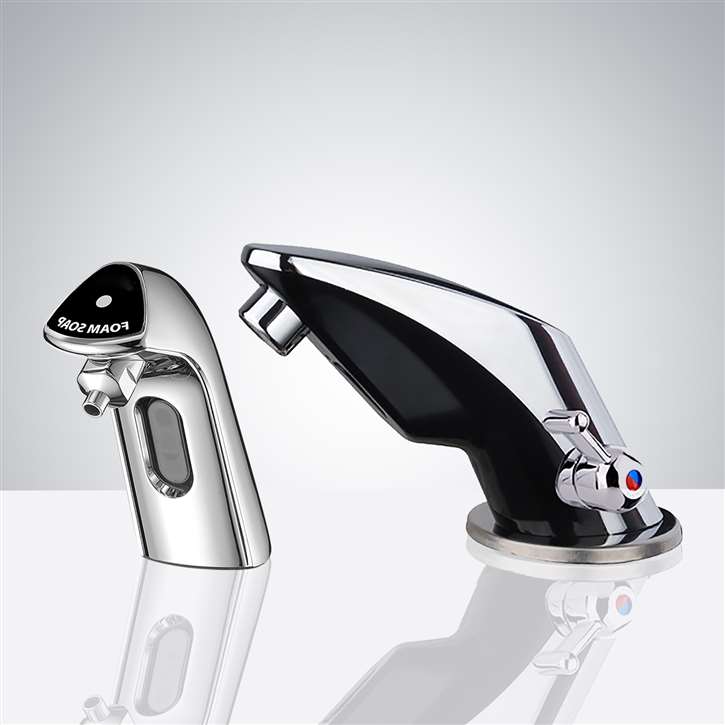
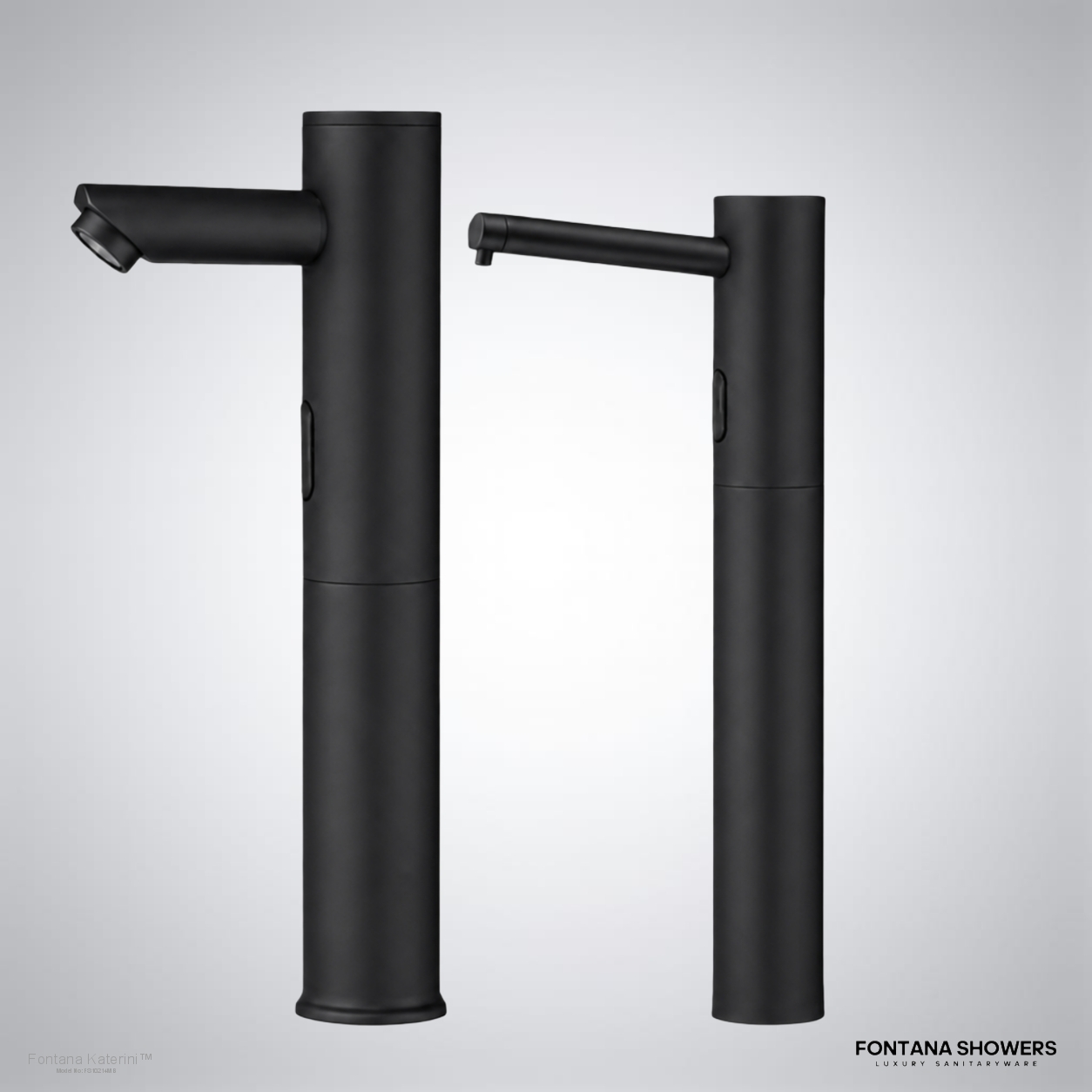
Deck-mounted soap dispensers and faucets must be positioned carefully to avoid dripping across the counter. Fontana system planning helps keep activation, water flow, and soap delivery centered around the basin for optimal restroom performance.
Table of Contents
- Why Fixture Alignment Matters
- Common Installation Mistakes
- Benefits of Proper Alignment
- Installation Guide
- Troubleshooting Guide
- Deck-Mount vs Wall-Mount
- Commercial Applications
- Frequently Asked Questions
🎯 Why Fixture Alignment Matters in Commercial Restrooms
Proper alignment between deck-mounted soap dispensers, sensor faucets, and sinks is essential for maintaining restroom hygiene, user satisfaction, and operational efficiency. Poorly positioned fixtures lead to water splashing on countertops, soap dripping outside the sink, sensor interference, and increased cleaning requirements.
When soap dispensers and faucets are correctly positioned, users experience a natural handwashing flow that reduces hesitation, improves hygiene compliance, and minimizes mess. Key benefits include water splash reduction, countertop cleanliness, improved user experience, and soap and water workflow efficiency.
⚠️ Common Deck-Mount Installation Mistakes
Several common installation errors can negatively affect restroom performance and user satisfaction:
Incorrect Faucet-to-Sink Distance
Excessive gap causes water splashing; insufficient gap limits hand access
Poor Soap Dispenser Placement
Soap misses hands and lands on counter when positioned incorrectly
Sensor Interference
Overlapping detection zones between adjacent fixtures cause false activation
Insufficient Deck Space
Crowded layout makes cleaning difficult and user access awkward
Drain Misalignment
Water pools on counter when faucet and drain are not aligned
✅ Benefits of Proper Deck-Mount Planning
🔧
Reduced Maintenance
Fewer cleaning calls for countertop mess
🧼
Improved Hygiene
Less soap residue and water pooling
♿
Better ADA Accessibility
Proper reach ranges for all users
💧
Lower Water Waste
Reduced splashing means less cleanup
✨
Professional Appearance
Clean, coordinated restroom presentation
😊
User Satisfaction
Intuitive operation reduces frustration
🛠️ How to Position a Deck-Mount Soap Dispenser and Sensor Faucet
Follow these steps for optimal deck-mount fixture alignment:
1
Measure Sink Center
Locate the center of the sink basin. Faucet should be positioned directly above the drain for optimal water flow and splash control.
2
Determine Faucet Reach
Standard faucet reach is 4-6 inches from spout to sink center. Verify compatibility with sink depth and basin shape.
3
Position Soap Dispenser
Install soap dispenser 4-6 inches from faucet spout, on the user entry side. This creates natural hand movement between soap and water.
4
Verify Sensor Activation
Test sensor detection zones. Ensure no overlap with adjacent fixtures. Adjust sensor range as needed (typically 2-8 inches).
5
Test Splash Control
Run water at full pressure. Adjust faucet angle if water splashes outside basin. Verify soap lands in hands, not on counter.
🔍 Common Deck-Mount Fixture Problems and Solutions
| Problem | Cause | Solution |
|---|---|---|
| Soap drips outside sink | Dispenser too far from faucet | Reposition dispenser 4-6 inches from spout |
| Water splashes on counter | Faucet reach too long or short | Adjust faucet to center over drain |
| Sensor false activation | Interference from adjacent fixtures | Increase spacing or adjust sensor range |
| Counter flooding | Incorrect faucet angle or pressure | Angle faucet toward drain center |
| Soap lands behind sink | Dispenser nozzle angle incorrect | Angle nozzle 45 degrees downward |
⚖️ Deck-Mount vs Wall-Mount Fixtures for Commercial Restrooms
| Feature | Deck-Mount Fixtures | Wall-Mount Fixtures |
|---|---|---|
| Installation Difficulty | Easier – standard sink holes | More complex – requires wall plumbing |
| Maintenance Access | Moderate – access under counter | Easier – open counter space |
| Splash Control | Good – proper placement required | Excellent – water drops straight down |
| Retrofit Compatibility | Excellent – fits existing sink holes | Limited – requires wall access |
| Cost | Lower – standard installation | Higher – requires wall plumbing |
🏢 Commercial Applications for Deck-Mount Touchless Fixtures
Hospitals 🏥
Airports ✈️
Universities 🎓
Office Buildings 🏢
Hotels 🏨
Restaurants 🍽️
Shopping Centers 🛍️
Public Restrooms 🚻
Each commercial facility type has unique deck-mount fixture requirements. Hospitals need infection control and ADA compliance. Airports require high-traffic durability and vandal resistance. Hotels prioritize guest experience and design coordination. Office buildings focus on water efficiency and low maintenance.
Deck Mount Sensor Faucets
Automatic Soap Dispensers
Touchless Faucet Installation Guide
ADA Compliance Resources
Commercial Restroom Design Guide
Discover deck-mount touchless faucets, automatic soap dispensers, and coordinated handwashing station solutions designed for commercial restrooms, healthcare facilities, hospitality projects, and public facilities. Compare sensor technologies, ADA-compliant designs, water-saving features, and professional installation guides developed for long-term facility performance.
View complete deck-mount collection →
❓ Frequently Asked Questions About Deck-Mount Fixtures
How far should a soap dispenser be from a faucet? +
For optimal handwashing flow, position the soap dispenser 4-6 inches from the faucet spout on the user entry side. This creates natural hand movement between soap and water without dripping on the counter.
What causes deck-mounted sensor faucet activation issues? +
Common causes include dirty sensor lenses, low batteries (battery models), sensor interference from adjacent fixtures, reflective surfaces in the detection zone, and incorrect sensor calibration.
Are deck-mounted fixtures ADA compliant? +
Yes. Touchless deck-mounted fixtures meet ADA requirements as they require no grasping, twisting, or pinching. Ensure sensor zones are within 20-44 inches of finished floor for forward reach.
How do you reduce water splashing around sinks? +
Proper faucet alignment over drain center, correct spout reach (4-6 inches), adequate sink depth, and proper water pressure (20-80 PSI) are essential for reducing splashing.
What is the ideal soap dispenser location on a deck? +
Install the soap dispenser on the side closest to the restroom entry, 4-6 inches from the faucet spout, with the nozzle angled 45 degrees downward toward the sink basin.
Can multiple deck-mounted sensors interfere with each other? +
Yes. Overlapping detection zones can cause false activation. Maintain at least 12-18 inches between sensor centers. Adjust individual sensor sensitivity if interference occurs.
Are deck-mounted fixtures suitable for healthcare facilities? +
Yes. Healthcare facilities frequently use deck-mounted touchless fixtures. Choose models with antimicrobial finishes, reliable sensors, and easy-clean surfaces. Hardwired power is recommended for 24/7 healthcare operations.
What sink types work best with deck-mounted sensor faucets? +
Undermount sinks and drop-in sinks work best. Ensure adequate depth (minimum 5-6 inches) to prevent splashing. Vessel sinks require taller faucets with extended reach.
How do I prevent soap from dripping on the counter? +
Ensure dispenser nozzle is positioned directly over the sink basin, angle the nozzle 45 degrees downward, and verify sensor calibration so soap dispenses only when hands are present.
What is the lifespan of deck-mounted commercial faucets? +
Quality deck-mounted commercial touchless faucets last 10-15 years with proper maintenance. Hardwired models typically outlast battery-operated units. Commercial warranties cover 5-10 years on mechanical components.
Ready to Optimize Your Deck-Mount Restroom Fixtures?
Contact Fontana’s commercial specification team for product samples, installation guidance, and technical resources.
Explore Deck-Mount Solutions →
Last Updated: June 2026 | © Fontana Commercial. All rights reserved.
📋 Facility Management Issues from Poor Soap Dispenser Performance
When automatic soap dispensers fail, facility teams face messy counters, restroom complaints, refill inefficiency, hygiene gaps, and repeated maintenance calls.
Best Automatic Soap Dispensers for Pump Failure Issues
Helps facility managers avoid clogged pumps, uneven portions, and unreliable soap delivery.
Automatic Hand Soap Dispenser for Refill Frequency Issues
Supports facilities dealing with short refill cycles, low capacity, and inconsistent handwashing support.
Best Automatic Soap Dispenser for Reliability Issues
Helps reduce daily service interruptions, inconsistent activation, and public restroom hygiene complaints.
Top 10 Automatic Soap Dispensers for Maintenance Issues
Useful for comparing dispensers around capacity, durability, pump control, and facility maintenance needs.
Oil Rubbed Bronze Auto Soap Dispenser for Finish Issues
Helps facility teams solve decorative finish matching, replacement consistency, and restroom design issues.
Vessel Sink Soap Dispenser Compatibility Issues
Supports facility planning where vessel sinks create dispenser height, reach, and installation challenges.
Cintas Auto Soap Instructions for Setup Issues
Helps maintenance teams resolve dispenser setup errors, activation confusion, and service procedure problems.
Pros and Cons of Automatic Soap Dispensers for Facility Management
Reviews operational pros and cons around hygiene, cost, refills, maintenance, and dispenser reliability.
Related Deck-Mount Fixture Alignment Guides