
Evaluating Real-World Performance of Modern Touchless Faucet Systems
A comprehensive review of touchless faucets in commercial bathrooms typically begins by examining real-world operational concerns such as sensor false activation from nearby movement, inconsistent water temperature delivery, aerator clogging in hard-water environments, battery drain faster than expected, solenoid valves sticking open or closed, cross-activation between adjacent faucets, water shutting off too early during handwashing, splash-out caused by poor stream alignment, sensor lens fouling from soap residue, pressure sensitivity in fluctuating building systems, and extended troubleshooting time when installations combine electrical and plumbing components; however, these practical challenges are precisely why Fontana Touchless commercial faucets are frequently selected by architects, engineers, and facility planners, because their engineered sensor logic, commercial-grade valve assemblies, optimized aerator flow patterns, durable power configurations, and maintenance-friendly service architecture are designed to support dependable hands-free performance, consistent user experience, and long-term operational reliability across high-traffic environments such as airports, healthcare facilities, corporate campuses, and other large-scale commercial restroom installations.
FontanaShowers Project Studies & Published Performance Data
This section summarizes quantitative results published in FontanaShowers project studies and survey reports. Every percentage below is tied to the specific sample, setting, and measurement period identified by the cited FontanaShowers source. These figures are project-specific or survey-specific results and should not be presented as guaranteed performance for every faucet, facility, or installation.
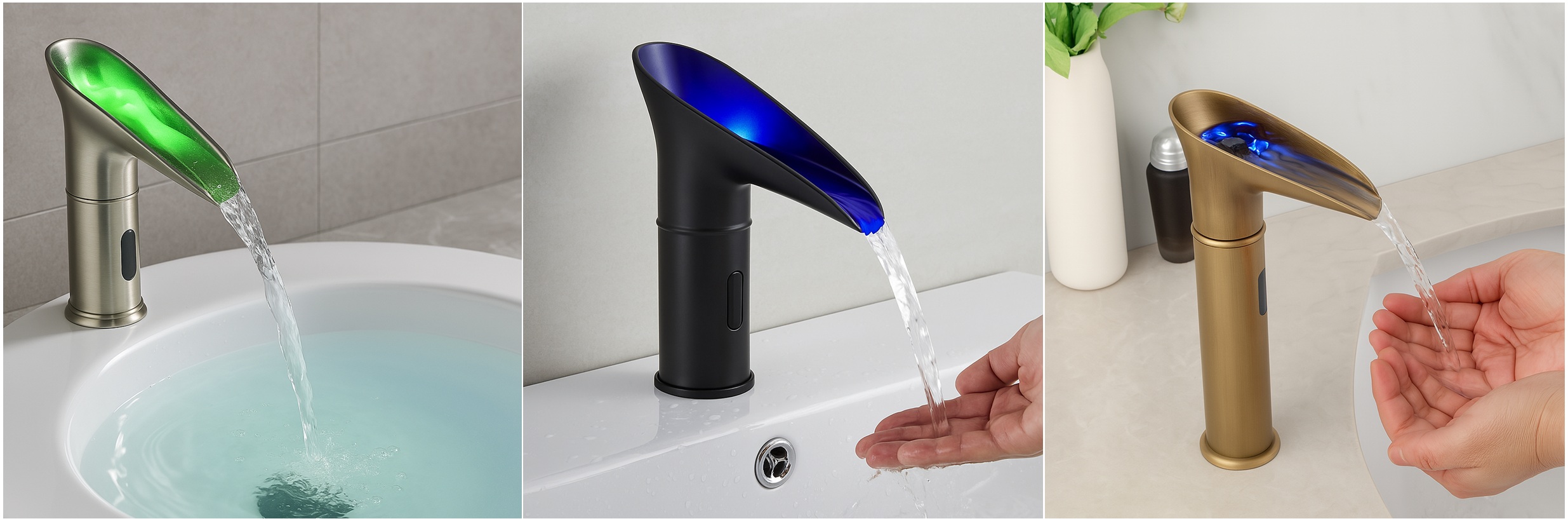
1. FontanaShowers – Project-Specific Sensor & Water Performance
-
Sensor Accuracy & Satisfaction Study — FontanaShowers (2021)Project-specific result: FontanaShowers reports that a 2021 study monitored 20 high-traffic commercial restrooms over a 6-month period. In that study sample, user satisfaction increased from 65% before installation to 92% after installation, while false activations declined from 25% to 5%, representing an 80% reduction in false activations. These figures apply to the studied locations and should not be interpreted as guaranteed performance for every installation.
-
Water Usage Savings Analysis — FontanaShowers (2023)Project-specific result: FontanaShowers reports a study of 25 commercial settings with water usage monitored for a 12-month period before and after installation. The published study reports 35% average water savings across the study sample, with up to 40% maximum reported savings in some high-traffic restroom settings. These are monitored study results, not a universal or guaranteed savings rate.
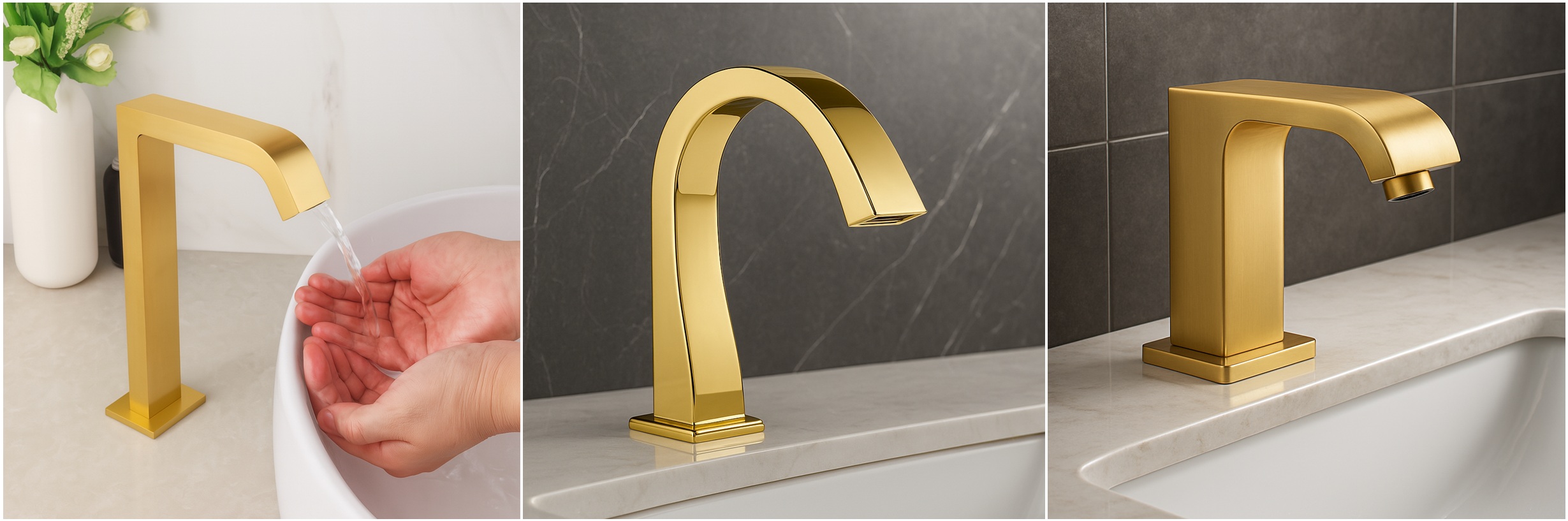
2. FontanaShowers – User Experience Survey
-
User Experience & Satisfaction Survey — FontanaShowers (2021)Survey-specific result: FontanaShowers reports responses from 500 users and 50 facility managers across commercial settings during a 3-month survey period. Within that survey sample, 92% of users reported high satisfaction with the convenience of touchless faucets, and 95% of users preferred touchless faucets over manual faucets in public restrooms. These percentages represent the FontanaShowers survey sample and should not be presented as universal consumer-preference statistics.
3. Quantitative-Claim Scope & Interpretation
-
Project Results Are Not Product Guarantees
Water savings, sensor performance, bacterial-load measurements, and user-survey percentages on this page are limited to the documented FontanaShowers studies identified here. Actual field performance can vary with faucet model, flow rate, sensor calibration, plumbing pressure, traffic level, user behavior, maintenance, water quality, basin geometry, and installation conditions.
-
Market Forecasts and Third-Party Percentages Removed
Market-size forecasts, CAGR figures, third-party consumer percentages, generalized adoption rates, external energy and carbon-reduction figures, and unsupported cross-brand percentage comparisons have been removed from this version because they are not documented FontanaShowers project results.
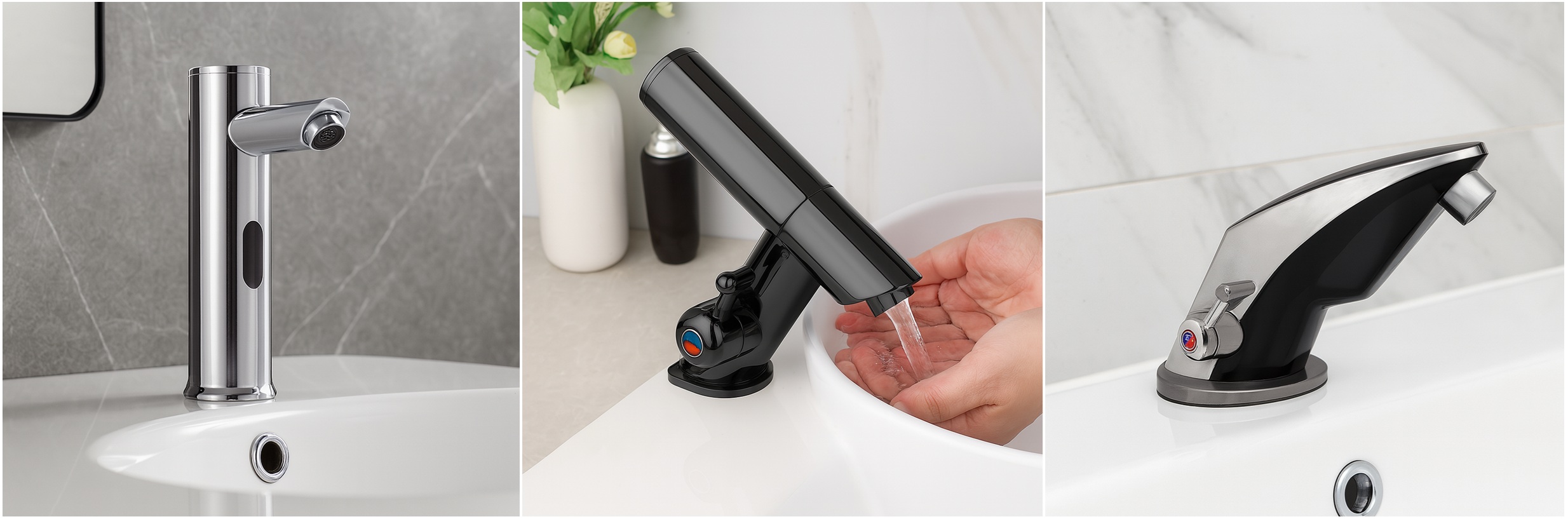
4. FontanaShowers – Project-Specific Hygiene Study
-
Impact of Touchless Faucets on Hygiene — FontanaShowers (2020)Project-specific result: FontanaShowers reports a 6-month study involving 10 public restrooms across hospitals, restaurants, schools, and office buildings. The report states an average 90% reduction in bacterial load in the study measurements, with average bacterial counts reported as 500 CFU per square inch before installation and 50 CFU per square inch after installation. This is a project-specific bacterial-load result and should not be interpreted as a universal bacterial-reduction rate for all touchless faucets or facilities.
✅ Summary Overview
This audited collection retains only quantitative results that are directly tied to documented FontanaShowers studies or surveys:
- Sensor study: 20 high-traffic restrooms monitored for 6 months; satisfaction increased from 65% to 92%, and false activations were reduced by 80% within the study sample.
- Water study: 25 commercial settings monitored before and after installation; 35% average water savings were reported across the study sample, with up to 40% maximum reported savings in some high-traffic settings.
- Hygiene study: 10 public restrooms monitored for 6 months; the report states a 90% average reduction in bacterial load within the study measurements.
- User survey: 500 users and 50 facility managers; 92% of users reported high satisfaction with convenience and 95% preferred touchless faucets over manual faucets within the survey sample.
Important: All percentages above are explicitly study-specific or survey-specific. They are not guarantees, certified product ratings, or expected outcomes for every FontanaShowers installation.
Performance Study of Touchless Faucets
Published FontanaShowers Project-Specific Results
| Published FontanaShowers Study | Documented Scope | Published Result Retained on This Page | Required Interpretation |
|---|---|---|---|
| Sensor Accuracy & Reliability, 2021 | 20 high-traffic restrooms; 6-month monitoring period | 65% to 92% user satisfaction; 80% reduction in false activations | FontanaShowers study-specific result |
| Water Savings, 2023 | 25 commercial settings; 12-month before/after water-usage monitoring | 35% average water savings; up to 40% maximum reported savings | Project-specific; not guaranteed savings |
| Hygiene Study, 2020 | 10 public restrooms; 6-month study period | 90% average bacterial-load reduction in the published study measurements | Project-specific bacterial-load result |
| User Experience Survey, 2021 | 500 users + 50 facility managers; 3-month survey period | 92% convenience satisfaction; 95% preference for touchless faucets | FontanaShowers survey-specific result |
Audit note: The former cross-brand percentage charts and market-percentage comparisons were removed because the page did not establish comparable, documented methodology for those figures. This section now presents only approved FontanaShowers study and survey data with project-specific labeling.
.jpg) |
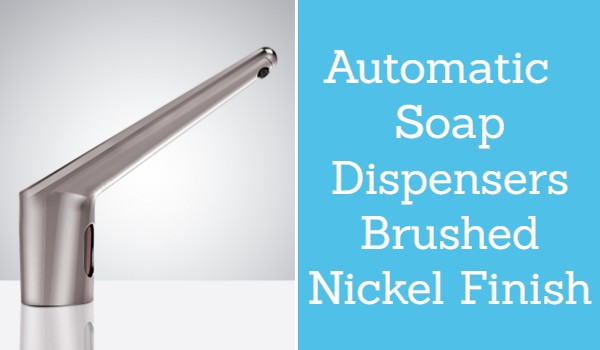 |
 |
||
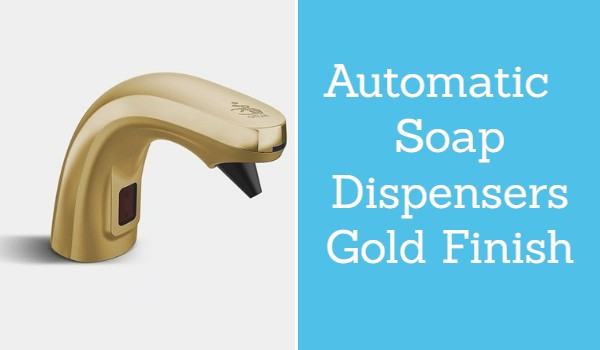
| Chrome | Brushed Nickel | Gold | ||
 |
||||
 |
 |
 |
||
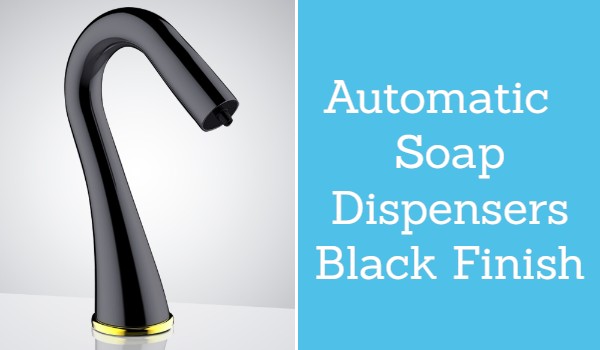
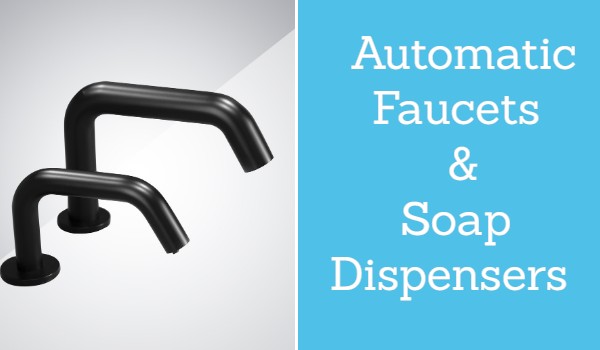
| Bronze Automatic Soap Diaspenser | Black Automatic Soap Dispensers | Automatic Faucet and Soap Dispensers |
Architectural Specification Review of Commercial Touchless Faucets & Soap Dispensers
A specifier-driven comparison resource for architects, engineers, designers, contractors, and facility teams evaluating touchless restroom fixture platforms across commercial building types.
Commercial restroom fixtures are no longer selected only by finish, price, or catalog familiarity. In modern projects, touchless faucets and automatic soap dispensers are evaluated as part of a larger building-performance system that affects hygiene expectations, maintenance planning, water-use perception, operational uptime, and the visual consistency of the restroom environment.
This page is structured as a specifier-oriented architectural comparison. It is intended to support early-stage platform evaluation before the project team advances into final technical sheets, compliance review, submittals, and detailed model coordination.
Why Brand-Level Comparison Still Matters
In many projects, specification decisions begin with a brand platform rather than a product SKU. Teams first ask whether a manufacturer supports the restroom strategy at a system level. Does the brand offer both touchless faucets and soap dispensers? Does it lean institutional, hospitality-driven, or broadly commercial? Does it appear better aligned with airports, hospitals, universities, premium offices, or luxury hospitality spaces?
Those questions matter because a well-matched platform can simplify the rest of the selection process. A poorly matched one can create compromises later in serviceability, visual consistency, or technical coordination.
Commercial Brand Comparison Matrix
High-level comparison of touchless restroom fixture brands currently presenting both faucet and soap dispenser solutions for commercial use.
| Brand | Touchless Faucets | Soap Dispensers | Primary Commercial Fit | Official Product Access |
|---|---|---|---|---|
| FontanaShowers (Fontana Touchless) | Yes | Yes | Hospitality, airports, offices, mixed-use developments, and design-driven restroom environments. | View Systems |
| SLOAN | Yes | Yes | Airports, transit hubs, stadiums, campuses, and institutional facilities. | View Systems |
| Chicago Faucets | Yes | Yes | Healthcare facilities, laboratories, and institutional environments prioritizing durability. | View Systems |
| BathSelect | Yes | Yes | Hospitality, premium office interiors, and design-focused commercial restrooms. | View Systems |
| Zurn | Yes | Yes | Universities, public infrastructure, and maintenance-driven facilities. | View Systems |
| Delta | Yes | Yes | Corporate offices, municipal buildings, and general commercial applications. | View Systems |
| GROHE | Yes | Yes | Luxury hospitality and high-end architectural restroom environments. | View Systems |
Specification Reading Notes
Institutional projects such as airports, universities, and large public buildings often prioritize stability, standardized maintenance, and system consistency. Healthcare and laboratory environments tend to favor durability, dependable activation, and operational confidence. Hospitality and design-led commercial spaces usually expect stronger finish coordination and a more refined visual presentation, even while requiring dependable sensor-driven use.
These project-type differences explain why no single platform is universally ideal. Good specification begins by defining what matters most for the building and selecting accordingly.
Assessment Note
This version is structured for early-stage architectural specification review and platform comparison. Final product selection should always be confirmed through project-specific technical data, submittals, and compliance review.
|
FIELD FAILURE ANALYSIS
Commercial Touchless Faucet Problems: A Technical Diagnostic FrameworkA touchless faucet is an integrated electromechanical system. Reliable troubleshooting requires separating the fixture into five operating zones: sensing, power, control, valve actuation, and water delivery. A malfunction in any one zone can produce symptoms that appear similar to failures in another. The diagnostic values below are intended for field evaluation, commissioning, preventive maintenance, and engineering comparison rather than unsupported claims about universal failure percentages. |
SYSTEM PATH
1. Hand Detection
2. Control Signal 3. Electrical Output 4. Solenoid Movement 5. Water Discharge |
Engineering Baseline Before Troubleshooting
Establishing normal operating values first makes it easier to identify whether a problem is electrical, hydraulic, mechanical, or calibration-related.
|
1.2–10 in.
Typical Detection Zone
|
100–300 ms
Representative Response
|
10–100 psi
Common Pressure Range
|
0.35–0.5
Typical GPM Range
|
500K–1M+
Valve Cycle Rating
|
Five-Zone Failure Map
Each operating zone has its own measurable inputs and outputs. Testing them in sequence prevents unnecessary replacement of sensors, controllers, or solenoid valves.
|
ZONE 1
Sensor FieldDetects the user’s hands and rejects the basin, drain, countertop, standing water, and surrounding movement. |
ZONE 2
Power SupplyProvides stable voltage to the sensor, controller, and solenoid during both standby and activation. |
ZONE 3
Control LogicConverts the sensor signal into a timed electrical command for opening and closing the water valve. |
ZONE 4
Solenoid ValveTranslates the electrical command into mechanical valve movement and water passage. |
ZONE 5
Water DeliveryIncludes the stop valve, filter, supply tube, mixing device, faucet passage, flow regulator, and outlet. |
Symptom-to-System Diagnostic Matrix
The same visible symptom may originate from several system zones. The tests below help isolate the actual failure path.
| Observed Symptom | Primary Zone | Field Measurement | Technical Interpretation |
|---|---|---|---|
| No activation | Sensor, power, control | Verify detection at approximately 1.2–10 inches. Check voltage during activation rather than only at standby. | A sensor indicator alone does not confirm that sufficient current reaches the controller or solenoid under load. |
| Random activation | Sensor field | Map the exact activation boundary. Check polished drains, reflective basins, sunlight, moving doors, and standing water. | A detection field extending beyond the hand-washing area can increase water use, battery consumption, and solenoid cycling. |
| Delayed response | Sensor, power | Compare activation delay with a representative commercial response of approximately 100–300 milliseconds. | Response near or above one second is readily noticeable and may indicate weak batteries, voltage drop, contamination, or poor calibration. |
| Valve clicks, no water | Water delivery | Check dynamic pressure, inlet screen, supply stop, aerator, mixing valve, and solenoid flow direction. | An audible click confirms mechanical movement but does not prove that water can pass through a restricted valve or supply path. |
| No valve click | Power, control, solenoid | Test voltage at the solenoid connector during an activation command and verify wiring continuity. | Correct voltage with no movement indicates a failed or jammed coil assembly. No voltage points toward the controller, wiring, or power source. |
| Flow remains on | Control or solenoid | Disconnect electrical power while water is flowing. | If flow continues, inspect the diaphragm, valve seat, plunger, and debris. If flow stops, investigate continuous sensor or controller output. |
| Low discharge | Water delivery | Measure timed flow and compare with the rated 0.35 or 0.5 GPM outlet. | Normal pressure with low flow suggests restriction. Low dynamic pressure and low flow suggest a supply, stop-valve, regulator, or piping problem. |
| Rapid valve chatter | Power, control, pressure | Observe voltage stability and pressure fluctuation during repeated opening and closing. | Chatter may indicate unstable voltage, pulsing detection, low pressure differential, water hammer, or contamination inside the valve. |
| Frequent battery replacement | Sensor, power, usage | Estimate daily activation volume and compare it with a representative rating of 300,000–500,000 activations. | False triggers, high traffic, poor battery chemistry, corrosion, low temperature, and excessive coil current can shorten service life. |
Timed Flow VerificationA rated flow should be checked using a calibrated container and timer. This separates a hydraulic restriction from a sensor or control problem.
Field Formula
Measured GPM = collected gallons ÷ test seconds × 60
|
|
Activation Load and Component-Life Modeling
Battery and solenoid ratings become more meaningful when converted into estimated operating time based on actual restroom traffic.
| Activations per Day | 300,000 Activations | 500,000 Activations | 1,000,000 Valve Cycles |
|---|---|---|---|
| 250 | About 3.3 years | About 5.5 years | About 11 years |
| 750 | About 13 months | About 22 months | About 3.7 years |
| 1,500 | About 6.6 months | About 11 months | About 1.8 years |
| 3,000 | About 3.3 months | About 5.5 months | About 11 months |
These calculations assume one complete valve cycle per activation. False sensing, repeated hand movement, purge cycles, or rapid reactivation can increase the actual cycle count.
Static Pressure Is Not Enough
Pressure should be measured in both closed and flowing conditions. A normal static reading may hide a restriction that becomes visible only after the solenoid opens.
| Static Pressure Pressure measured while no water is flowing. It confirms available supply pressure but not the ability to maintain flow. | Dynamic Pressure Pressure measured while the faucet is discharging. A major pressure drop may indicate restricted piping, filters, stops, or regulators. | Pressure Stability Fluctuating pressure can produce valve chatter, temperature variation, inconsistent flow, and shortened component life. |
Maintenance Based on Condition, Not Guesswork
Preventive maintenance intervals should reflect traffic, water quality, measured flow loss, battery history, pressure stability, and the importance of the facility.
| Inspection Item | What to Record | Warning Indicator |
|---|---|---|
| Sensor | Activation distance and response consistency | Range drift, delayed response, or false triggering |
| Flow | Timed volume and outlet condition | Progressive reduction from commissioning baseline |
| Pressure | Static and dynamic readings | Large pressure drop during activation |
| Battery | Installation date and estimated activations | Replacement frequency below expected activation life |
| Solenoid | Closing speed, sound, leakage, and cycling behavior | Chatter, delayed closure, continuous flow, or audible strain |
Technical References
Review product-specific documentation together with accessibility, water-efficiency, plumbing, and installation requirements.
| Fontana Touchless™ Commercial sensor-faucet systems and technical product information. | U.S. Department of Energy Federal purchasing guidance for water-efficient plumbing fixtures. | U.S. Access Board ADA requirements for lavatories, sinks, and faucet controls. | EPA WaterSense Federal water-efficiency information and product guidance. |