

Public Washroom Solutions
Reducing Refill Issues in Public Washrooms with Touchless Soap Dispensers
Public washrooms often face soap outages because dispenser capacity and traffic levels are not matched. Fontana touchless soap systems help improve refill planning and reduce service interruptions during busy periods, keeping restrooms stocked and users satisfied.
Table of Contents
- Why Refill Planning Matters
- Common Refill Problems
- Capacity Planning Guide
- Solutions for Refill Issues
- Benefits of Proper Capacity Planning
- Touchless vs Manual Refill Efficiency
- Public Facilities That Benefit Most
- Frequently Asked Questions
🧼 Why Refill Planning Matters in Public Washrooms
Public washrooms in airports, transit centers, shopping malls, stadiums, and office buildings experience continuous traffic throughout the day. When soap dispensers run empty during peak hours, facilities face user complaints, hygiene concerns, and negative perception. Proper refill planning ensures consistent soap availability while reducing maintenance labor costs.
Touchless soap dispensers with appropriate capacity, clear low-level indicators, and easy-refill designs help facility teams maintain uninterrupted service. Understanding usage patterns and matching dispenser capacity to traffic volume is essential for efficient public washroom operations.
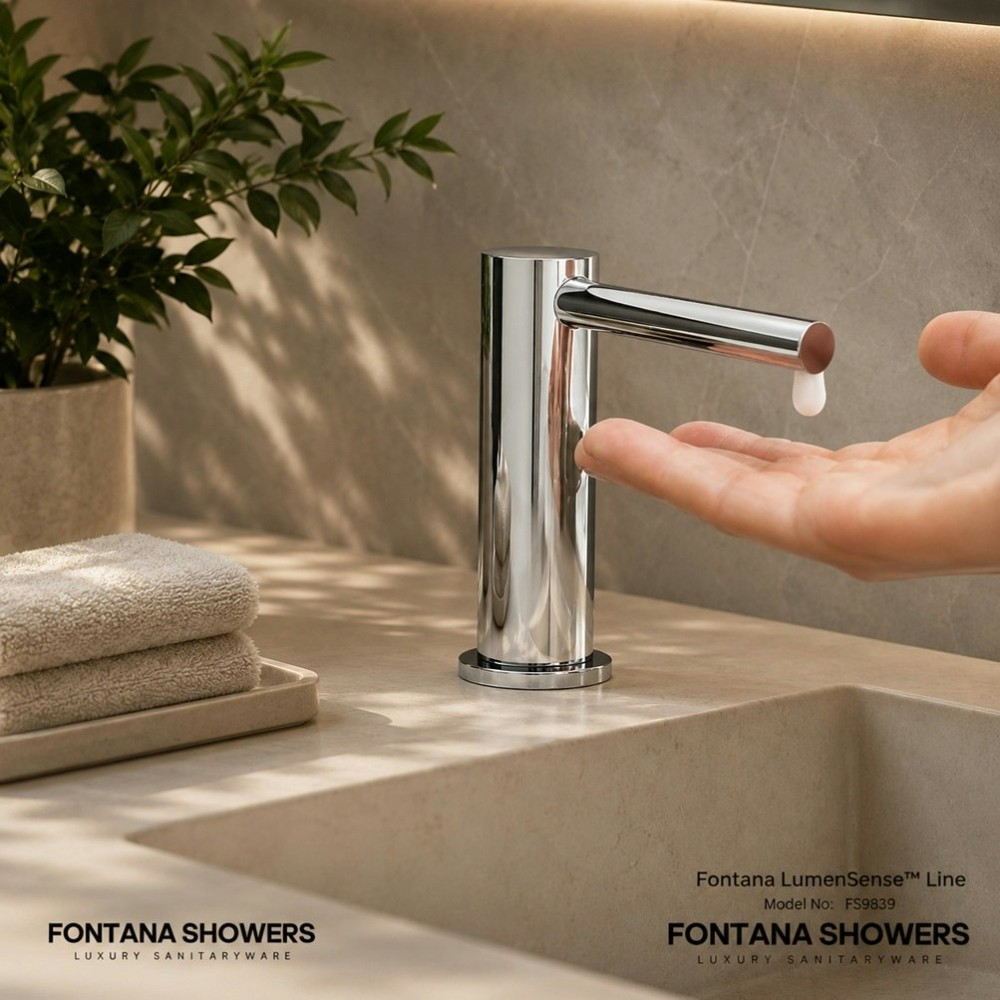
⚠️ Common Refill Problems in Public Washrooms
Mismatched Capacity
Small reservoirs in high-traffic areas run out multiple times daily
No Low-Level Indicators
Staff cannot predict when refills are needed
Hard-to-Access Refill Points
Difficult dispenser locations increase refill time
Inconsistent Usage Tracking
No data on consumption patterns for planning
Messy Refill Processes
Spills and waste during cartridge replacement
Multiple Dispenser Types
Different cartridges complicate inventory management
📊 Soap Dispenser Capacity Planning Guide by Facility Type
Match dispenser capacity to your facility’s daily traffic volume for optimal refill frequency:
Airports ✈️
1000-1500mL
Refill every 2-3 days
Shopping Malls 🛍️
800-1200mL
Refill every 3-5 days
Stadiums 🏟️
1500-2000mL
Refill daily during events
Office Buildings 🏢
500-800mL
Refill every 7-10 days
Transit Centers 🚉
1000-1500mL
Refill every 2-4 days
Restrooms 🚻
600-1000mL
Refill every 5-7 days
✅ Solutions for Reducing Refill Issues in Public Washrooms
Large Capacity Reservoirs
800-1500mL dispensers reduce refill frequency in high-traffic areas
Low-Level Indicators
LED lights or sight windows show when refills are needed
Tool-Free Refill Access
Easy-open cartridges speed up replacement
Sealed Cartridge Systems
Prevent spills and contamination during refills
Standardized Dispensers
Same cartridges across all restrooms simplify inventory
Usage Tracking
Monitor consumption patterns for proactive refill scheduling
📈 Benefits of Proper Soap Dispenser Capacity Planning
✅
Fewer Outages
Soap always available for users
😊
Higher Satisfaction
Users appreciate stocked restrooms
🔧
Reduced Labor
Less time spent on refills
💰
Lower Costs
Bulk cartridge pricing saves money
🧼
Better Hygiene
Consistent soap availability improves compliance
📋
Simplified Inventory
Fewer SKUs to manage
⚖️ Touchless vs Manual Soap Dispensers: Refill Efficiency Comparison
| Feature | Touchless Dispenser | Manual Dispenser |
|---|---|---|
| Capacity Options | 800-1500mL available | 300-800mL typical |
| Low-Level Indicator | LED light or sight window | None – visual check only |
| Refill Time | 30-60 seconds | 60-120 seconds |
| Refill Waste | Minimal – sealed cartridges | Moderate – potential spills |
| Usage Tracking | Not available |
🏢 Public Facilities That Benefit Most from Touchless Soap Dispensers
Airports ✈️
Shopping Malls 🛍️
Stadiums 🏟️
Transit Centers 🚉
Office Buildings 🏢
Hospitals 🏥
Schools 🎓
Restaurants 🍽️
Each public facility type has unique refill requirements. Airports need 24/7 reliability. Stadiums require high-capacity during events. Office buildings benefit from predictable weekly schedules. Schools need durable, easy-to-maintain dispensers.
Public Restroom Solutions
Office Soap Dispensers
Commercial Restroom Maintenance Guide
Facility Management Resources
Discover touchless soap dispensers designed for public washrooms, airports, shopping malls, stadiums, and office buildings. Compare capacity options, refill-friendly designs, low-level indicators, and commercial-grade durability developed to reduce refill frequency and improve facility management efficiency.
View complete public washroom collection →
❓ Frequently Asked Questions About Public Washroom Refill Issues
How often should public washroom soap dispensers be refilled? +
Refill frequency depends on traffic volume. Airports and transit centers may need refills every 2-3 days. Office buildings can go 7-10 days. Stadiums may need daily refills during events. Match dispenser capacity to usage patterns.
What is the best soap dispenser capacity for high-traffic public washrooms? +
For high-traffic public washrooms, choose dispensers with 1000-1500mL capacity. This reduces refill frequency and ensures soap availability during peak usage periods.
How can facility managers reduce soap outages in public restrooms? +
Install touchless dispensers with adequate capacity, use low-level indicators for proactive refills, train staff on refill procedures, and track usage patterns to optimize schedules. Standardizing dispensers across all restrooms simplifies inventory management.
Do touchless soap dispensers have low-level indicators? +
Yes. Many commercial touchless soap dispensers feature LED lights that blink when soap levels are low, or sight windows that show remaining product. This helps maintenance teams refill before dispensers run empty.
Are larger soap dispensers more expensive to operate? +
Larger dispensers typically reduce operating costs because you can purchase soap in bulk (lower per-unit cost) and reduce labor hours spent on refills. The higher initial investment is quickly recovered through operational savings.
What causes soap dispensers to run out quickly? +
Small reservoir capacity, higher-than-expected traffic volume, over-dispensing settings, and lack of low-level indicators are common causes. Audit usage patterns and upgrade to larger capacity dispensers if needed.
Are wall-mounted or deck-mounted soap dispensers better for public washrooms? +
Wall-mounted dispensers save counter space and are easier to clean around. Deck-mounted dispensers may be more intuitive for users. Both work well; choose based on restroom layout and user expectations.
How can I track soap consumption across multiple public washrooms? +
Use standardized dispensers with the same cartridges across all locations. Track refill dates and quantities to identify usage patterns. Some smart dispensers offer digital consumption data.
What is the ROI for upgrading to larger capacity touchless dispensers? +
Typical ROI ranges from 6-12 months through reduced labor costs (fewer refills), bulk soap pricing, and improved user satisfaction. High-traffic facilities see faster payback.
Are touchless soap dispensers ADA compliant for public washrooms? +
Yes. Touchless soap dispensers meet ADA requirements as they require no grasping, twisting, or pinching. Ensure proper mounting height (within 20-44 inches of floor) and reach ranges.
Ready to Reduce Refill Issues in Your Public Washrooms?
Contact Fontana’s commercial specification team for product samples, capacity guidance, and technical resources.
Explore Public Washroom Solutions →
Last Updated: June 2026 | © Fontana Commercial. All rights reserved.
📋 Facility Management Issues from Poor Soap Dispenser Performance
When automatic soap dispensers fail, facility teams face messy counters, restroom complaints, refill inefficiency, hygiene gaps, and repeated maintenance calls.
Best Automatic Soap Dispensers for Pump Failure Issues
Helps facility managers avoid clogged pumps, uneven portions, and unreliable soap delivery.
Automatic Hand Soap Dispenser for Refill Frequency Issues
Supports facilities dealing with short refill cycles, low capacity, and inconsistent handwashing support.
Best Automatic Soap Dispenser for Reliability Issues
Helps reduce daily service interruptions, inconsistent activation, and public restroom hygiene complaints.
Top 10 Automatic Soap Dispensers for Maintenance Issues
Useful for comparing dispensers around capacity, durability, pump control, and facility maintenance needs.
Oil Rubbed Bronze Auto Soap Dispenser for Finish Issues
Helps facility teams solve decorative finish matching, replacement consistency, and restroom design issues.
Vessel Sink Soap Dispenser Compatibility Issues
Supports facility planning where vessel sinks create dispenser height, reach, and installation challenges.
Cintas Auto Soap Instructions for Setup Issues
Helps maintenance teams resolve dispenser setup errors, activation confusion, and service procedure problems.
Pros and Cons of Automatic Soap Dispensers for Facility Management
Reviews operational pros and cons around hygiene, cost, refills, maintenance, and dispenser reliability.
Commercial Soap Refill and Capacity Planning Guides
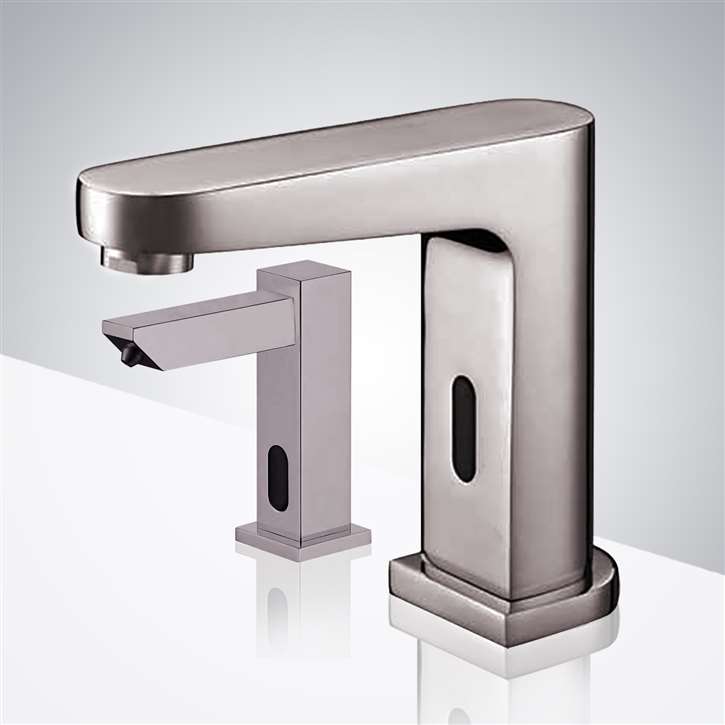
Reducing Soap Dispenser Refill Issues in Public Washrooms
Improve Refill Access for Coordinated Fixtures | FS10225
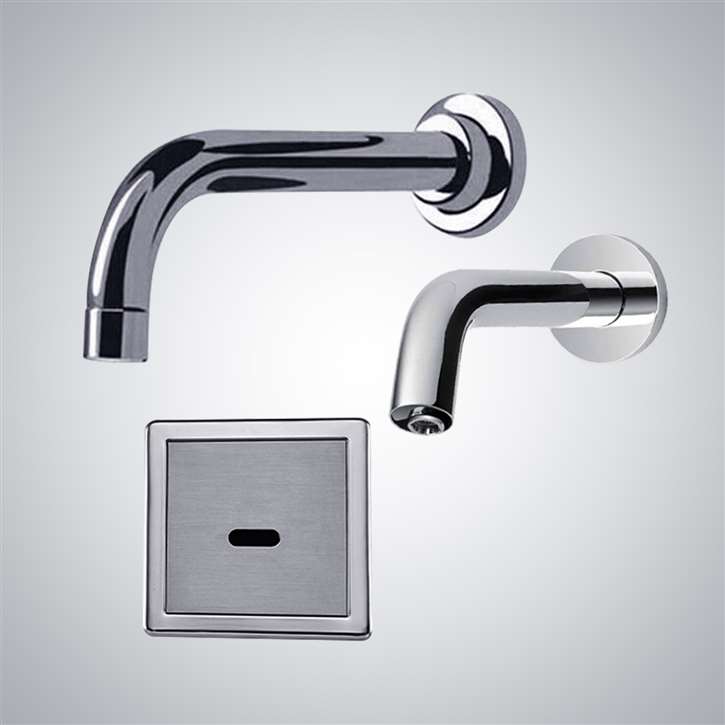
Reduce Refill Frequency at Multi-Basin Counters | FS10224

Reservoir Placement and Refill Workflow Planning | FS10206C
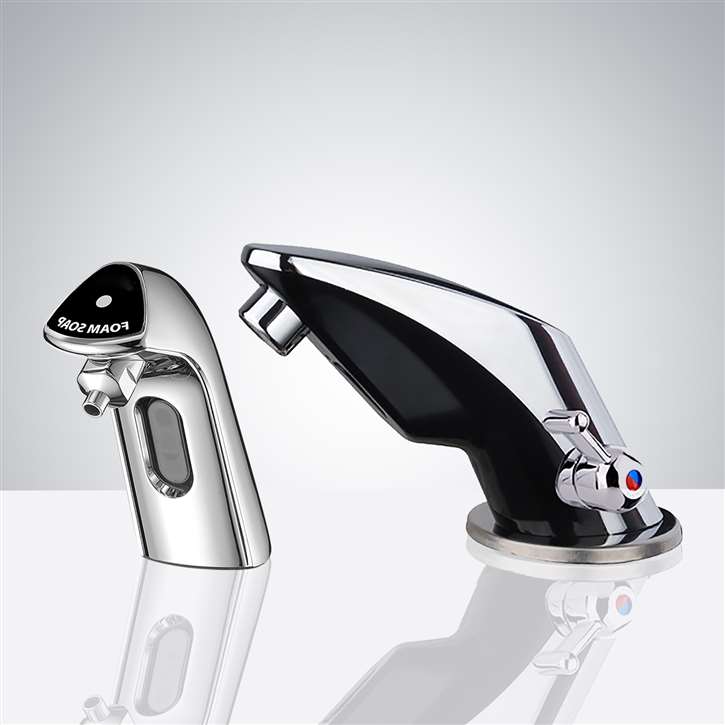
Soap Capacity Planning for Public Washrooms | FS1865SD

Prevent Empty Dispensers with Better Capacity Planning | FS10202
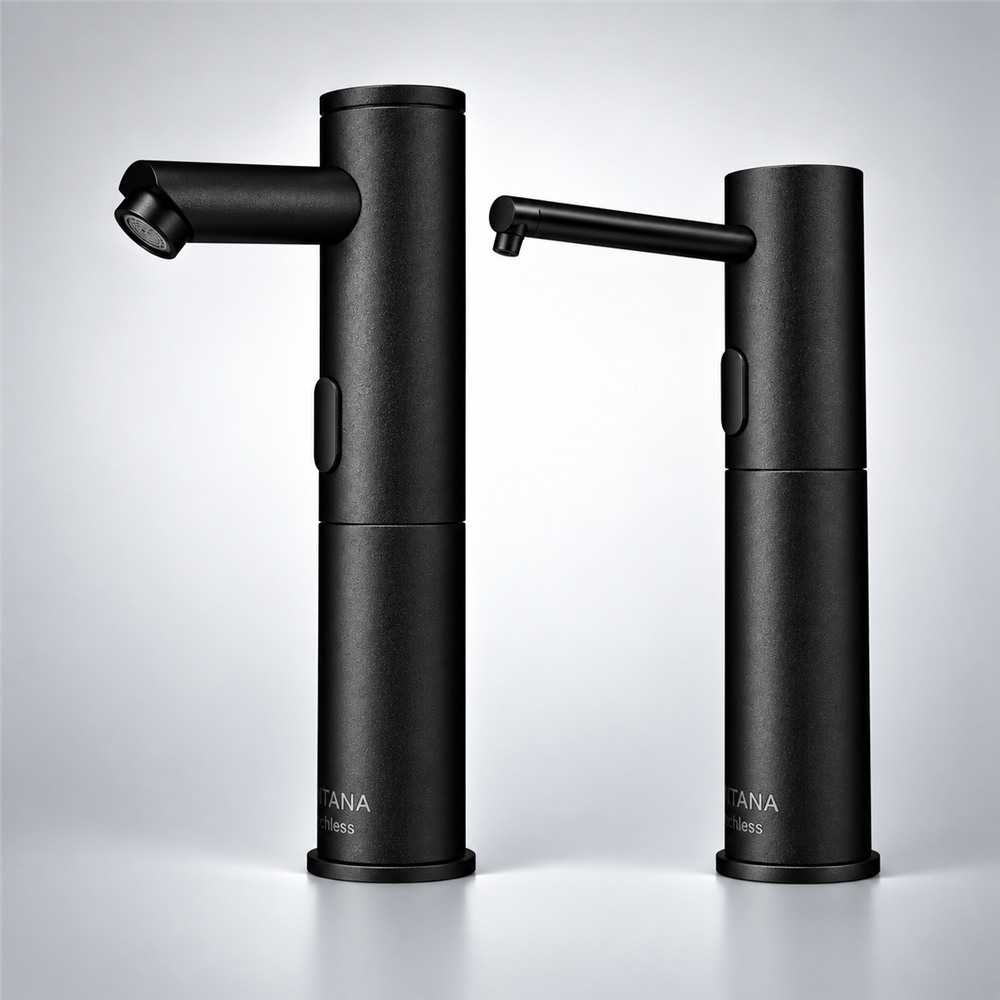
Coordinating Refill Access Across Multiple Basins | FS10214
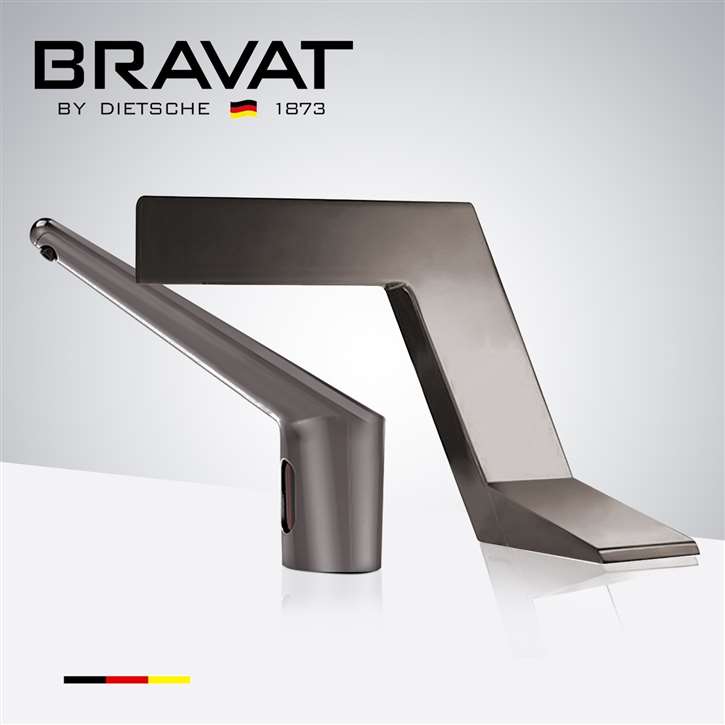
Maintenance-Friendly Reservoir and Pump Access | FS18556
