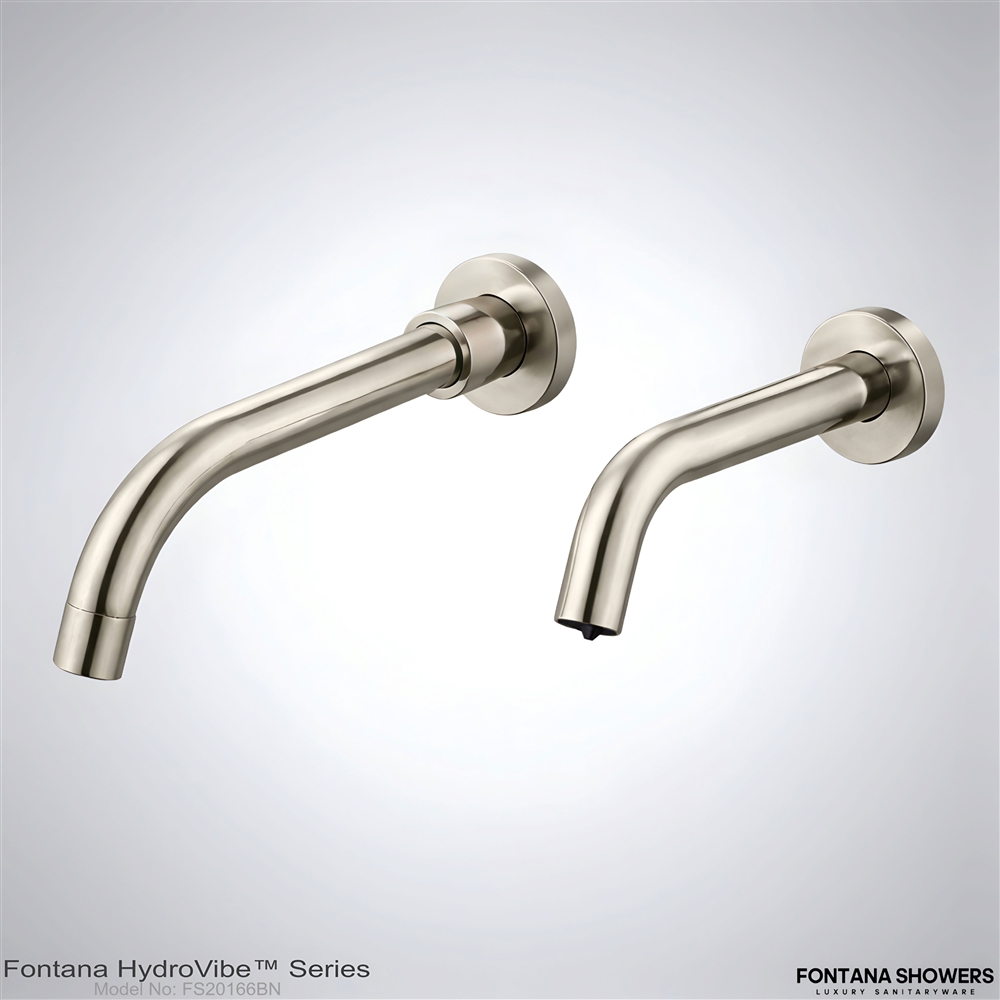
Fixing Soap Dispenser Refill and Maintenance Problems in Commercial Restrooms
Dispenser maintenance becomes difficult when refill access is poor, capacity is mismatched to restroom traffic, or service teams cannot quickly identify performance issues. A superior Fontana system approach helps resolve these problems by treating maintenance access and daily operation as part of the original restroom design.
Common Soap Dispenser Refill Problems in Commercial Restrooms
Empty Soap Reservoirs
Dispensers run dry when refill schedules don’t match usage patterns, leading to user frustration and hygiene concerns.
Hard-to-Access Refill Bottles
Dispensers with inaccessible cartridges increase refill time and may cause spills or soap waste during maintenance.
Wrong Soap Viscosity
Using incompatible soap thickness causes pump failure, clogged nozzles, and inconsistent dispensing.
Over-Dispensing
Dispensers without dosage control release too much soap, increasing waste and maintenance frequency.
Soap Leaks
Cracked cartridges, loose connections, or failed seals create messy counters and wasted product.
Clogged Nozzles
Dried soap residue blocks nozzles, preventing dispensing and requiring manual cleaning.
Why Maintenance Access Matters in Commercial Restrooms
Different facility types have unique maintenance access requirements that impact soap dispenser performance:
Hotels Airports Hospitals Office Buildings Public RestroomsHotels require discreet maintenance during guest hours. Airports need 24/7 access for overnight refills. Hospitals demand strict hygiene protocols during service. Office buildings benefit from after-hours maintenance access. Public restrooms need vandal-resistant designs with accessible service points.
How to Reduce Soap Dispenser Downtime in Commercial Facilities
Larger Capacity Tanks
Choose dispensers with 800-1500mL capacity for high-traffic areas to reduce refill frequency and downtime.
Easy-Access Refill Design
Tool-free cartridge replacement allows faster refills with minimal disruption to restroom users.
Clear Inspection Points
Visible soap level indicators help maintenance teams identify low supplies before dispensers run dry.
Scheduled Maintenance
Establish regular inspection intervals to catch issues before they cause service interruptions.
Sensor Testing
Regular sensor checks ensure reliable activation and prevent user frustration.
Automatic vs Manual Soap Dispenser Maintenance Comparison
| Feature | Automatic Dispenser | Manual Dispenser |
|---|---|---|
| Hygiene | Excellent – no contact required | Standard – pump handle touched by all users |
| Refill Control | Better – pre-measured dispensing | Moderate – user-dependent |
| Maintenance Planning | Requires sensor cleaning, battery checks | Simple – refill only |
| User Experience | Better – modern, hygienic | Standard – familiar but less sanitary |
| Long-Term Cost | Lower – reduced soap waste | Higher – more product consumed |
Best Practices for Facility Management Teams
Check soap levels dailyMonitor usage patterns to prevent unexpected outages during peak periods.
Clean nozzles weeklyRemove dried soap residue to prevent clogs and maintain consistent dispensing.
Test sensors regularlyVerify sensor activation to catch failures before users notice problems.
Use compatible soapFollow manufacturer viscosity recommendations to prevent pump failure and clogs.
Keep refill access clearEnsure maintenance teams can reach dispensers without special tools or ladders.
Easier Access for Facility Teams
Commercial restrooms need fixtures that can be serviced without disrupting traffic. Better dispenser planning reduces unnecessary downtime and allows teams to manage refilling, inspection, and cleaning more efficiently.
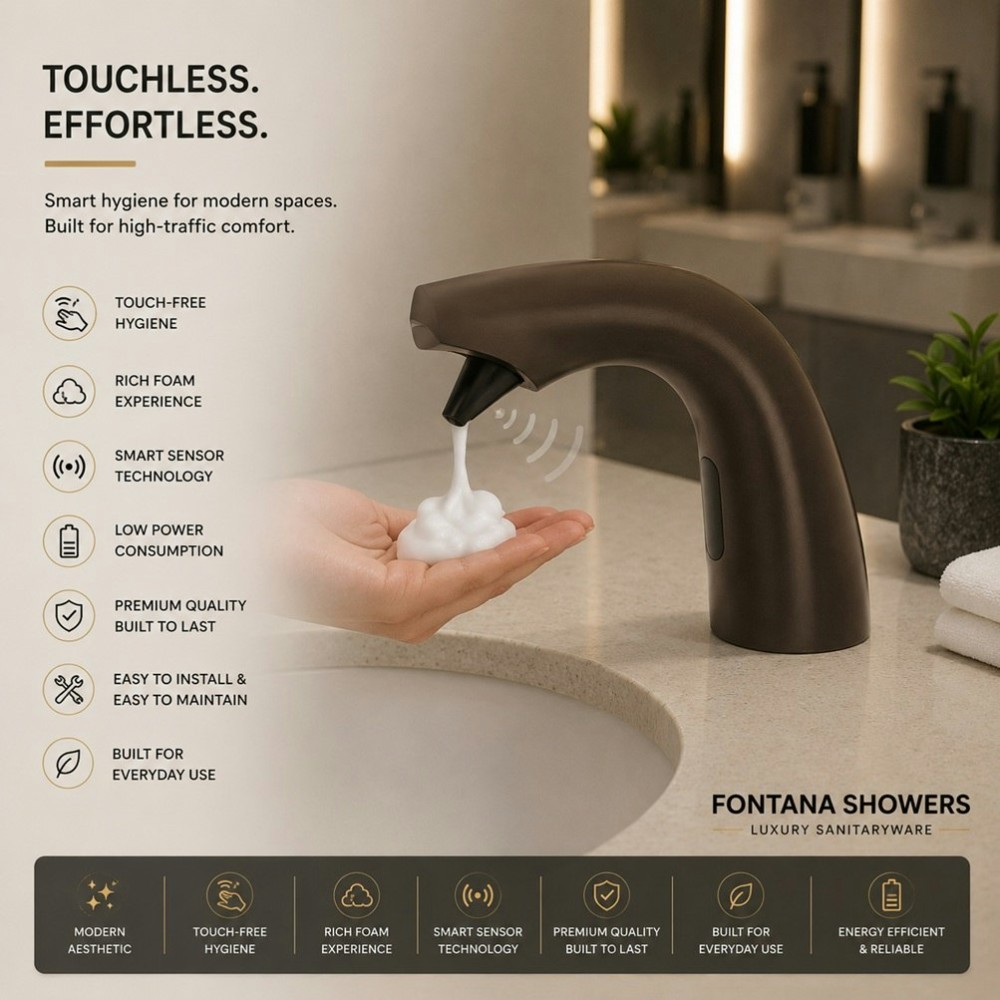

Supporting More Predictable Operation
When dispenser placement, activation, and refill planning are coordinated, facility teams are less likely to face unexpected soap outages or inconsistent restroom performance.
This improves long-term usability without relying on constant manual correction after installation.
Explore commercial automatic soap dispensers designed for high-traffic restrooms, hotels, healthcare facilities, airports, and office buildings. Compare refill-friendly designs, sensor technologies, maintenance access, and touchless hygiene solutions built to reduce downtime and improve facility performance.View complete commercial touchless collection →
Frequently Asked Questions About Soap Dispenser Maintenance
Find answers to the most common questions about commercial soap dispenser maintenance, refill issues, and troubleshooting.
Why does my automatic soap dispenser stop working? +Common causes include empty cartridges, dead batteries, dirty sensors, clogged nozzles, or failed pumps. Check each component systematically to identify the issue. Start with the simplest fix first: clean the sensor lens with a soft cloth and replace batteries if needed.
How often should commercial soap dispensers be refilled? +Refill frequency depends on facility traffic. High-traffic areas like airports may need refills every 3-5 days, while office buildings can go 10-14 days between refills. Choose dispenser capacity based on usage patterns to optimize maintenance schedules.
What causes soap dispenser clogs? +Clogs are typically caused by dried soap residue, using soap with incorrect viscosity, or debris in the nozzle. Regular cleaning and using manufacturer-recommended soap prevents most clogs. For existing clogs, remove the nozzle and soak in warm water.
How can facility managers reduce soap waste? +Use automatic dispensers with pre-measured doses, choose adjustable dosage settings, train staff on proper refill procedures, and monitor usage patterns to identify waste. Automatic dispensers typically reduce soap consumption by 30-50% compared to manual pumps.
Are automatic soap dispensers better for commercial restrooms? +Yes. Automatic dispensers improve hygiene, reduce soap waste, eliminate handle contact, and provide better user experience. They require sensor cleaning and battery replacement but reduce long-term maintenance costs and increase user satisfaction.
How long do touchless soap dispenser batteries last? +Battery life varies by usage. In high-traffic facilities, batteries typically last 6-12 months. In lower-traffic settings, batteries can last 1-2 years. Use lithium batteries for extended life in demanding environments. Hardwired options eliminate battery replacement entirely.
What is the best soap dispenser for high-traffic facilities? +For high-traffic facilities, choose commercial-grade touchless dispensers with 800-1500mL capacity, durable pumps, clear status indicators, and easy-refill design. Hardwired power options are recommended for 24/7 facilities like airports and hospitals.
How do I clean a touchless soap dispenser sensor? +Clean the sensor lens weekly with a soft, damp cloth. Never use abrasive cleaners, alcohol, or harsh chemicals that can damage the sensor lens. For stubborn residue, use a mild soap solution and wipe dry immediately.
Ready to Improve Your Commercial Restroom Maintenance?
Contact Fontana’s commercial specification team for product samples, BIM support, and technical resources.
Explore Commercial Touchless Collection →Related Brands for Heavy Restroom Traffic Soap Dispensers
A focused reference list of commercial restroom, touchless faucet, automatic soap dispenser, and washroom equipment brands most relevant to high-traffic public restroom projects.
Top Related Commercial Soap Dispenser Brands
These brands are the most relevant choices from the master brand list for pages focused on automatic soap dispensers, public restroom hygiene, sensor-operated fixtures, high-capacity washroom equipment, and heavy-traffic facility maintenance.
Commercial Soap Dispenser Maintenance and Service Guides
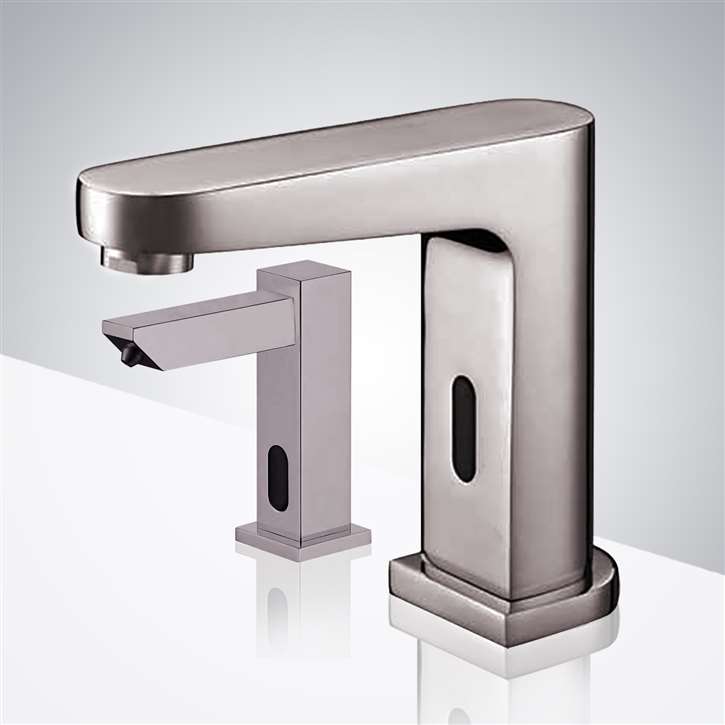
Commercial Soap Dispenser Maintenance Guide for Facility Managers
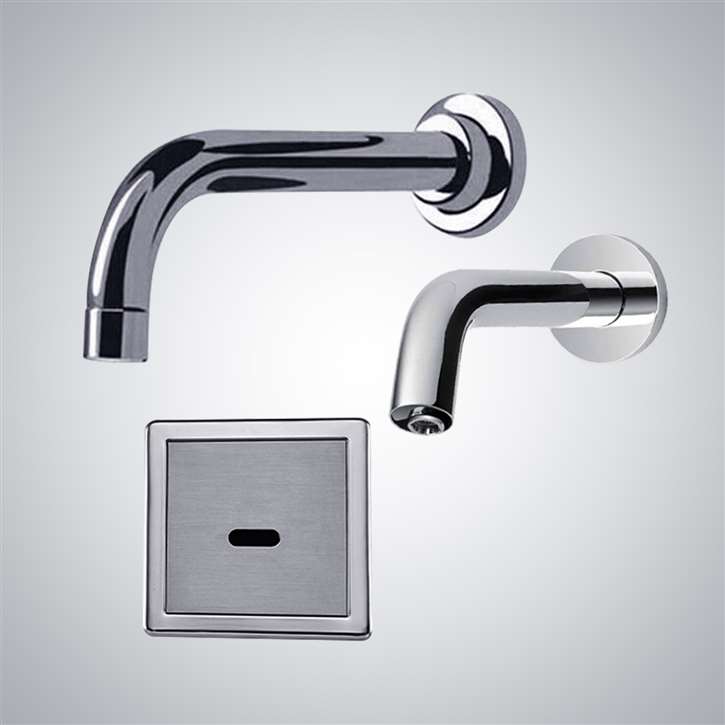
Sensor Cleaning and Preventive Maintenance | FS10224

Soap Priming, Pump and Tubing Maintenance | FS10206C
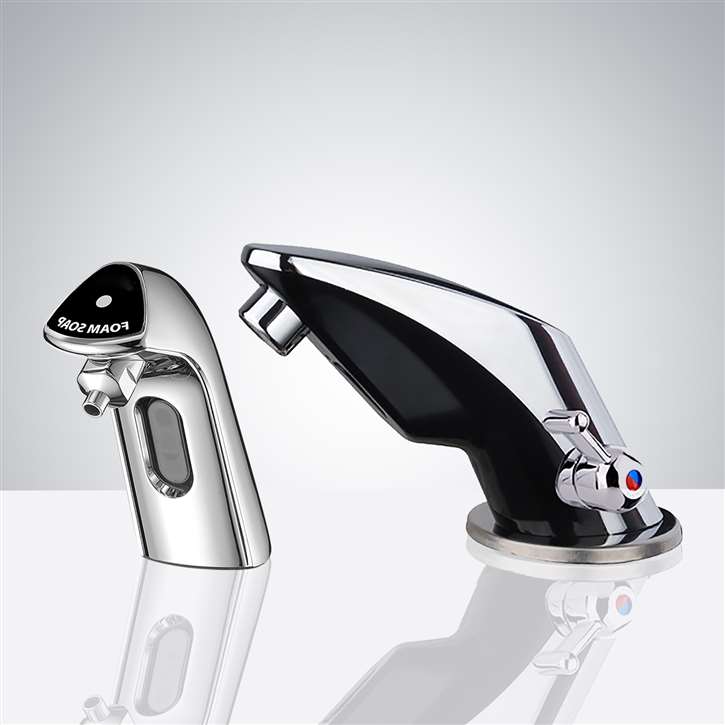
Reservoir Cleaning and Soap Compatibility | FS1865SD

Battery, Power and Sensor Service Checklist | FS10202
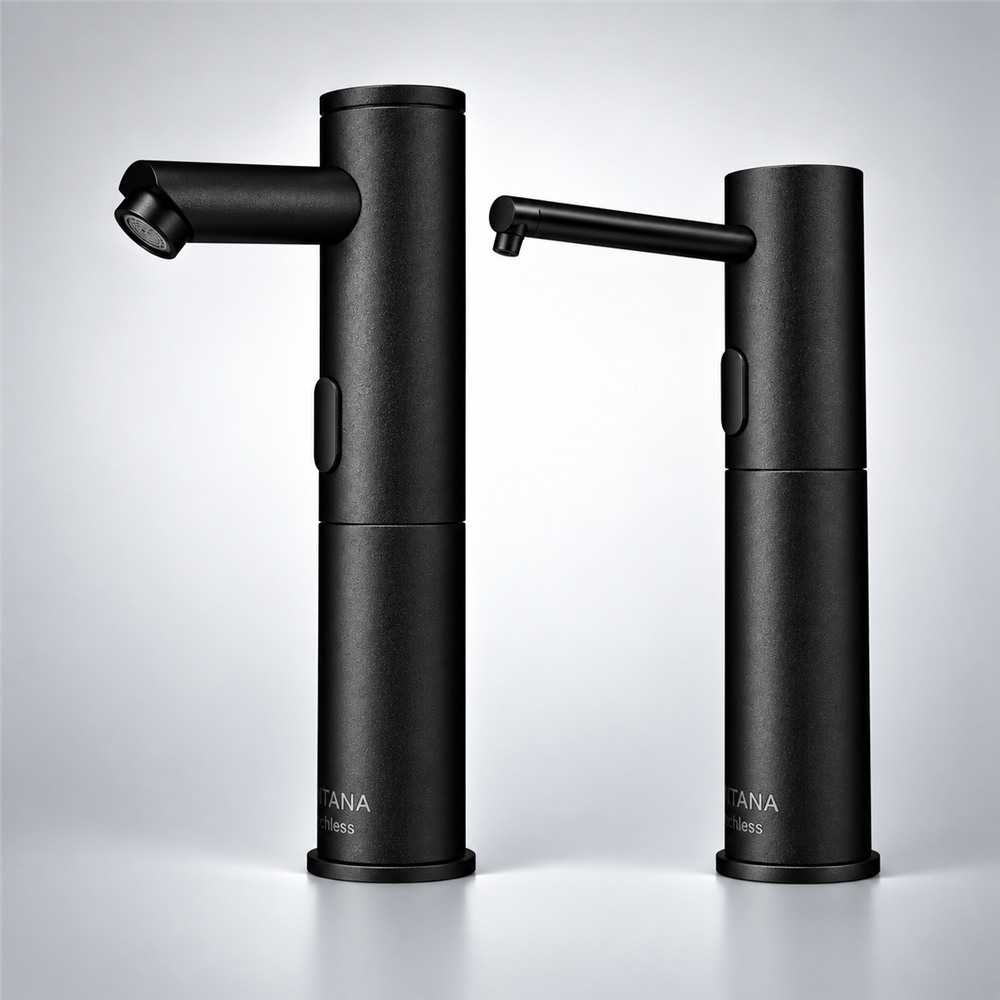
Cleaning Matte Black Commercial Fixtures | FS10214
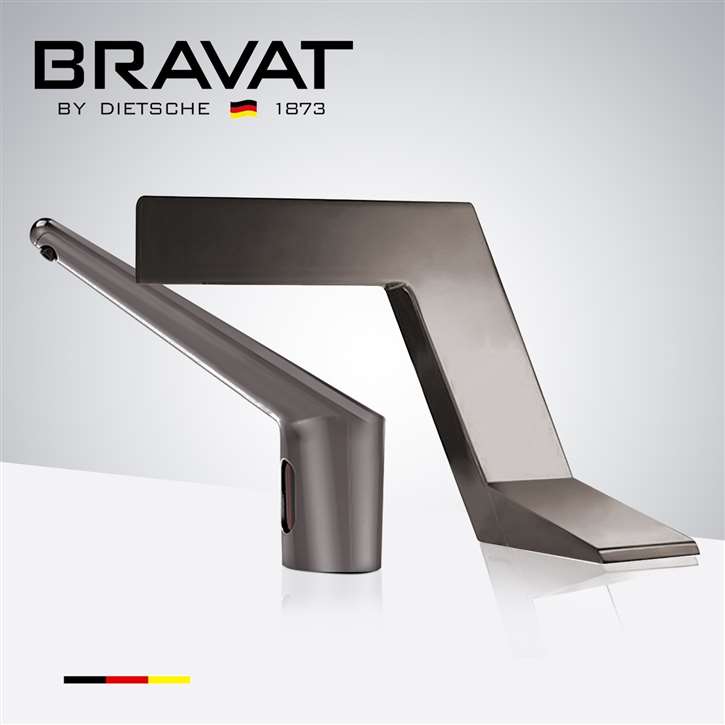
Brushed Nickel Finish and Dispenser Care | FS18556

Troubleshooting Inconsistent Soap Dispensing | FS18110