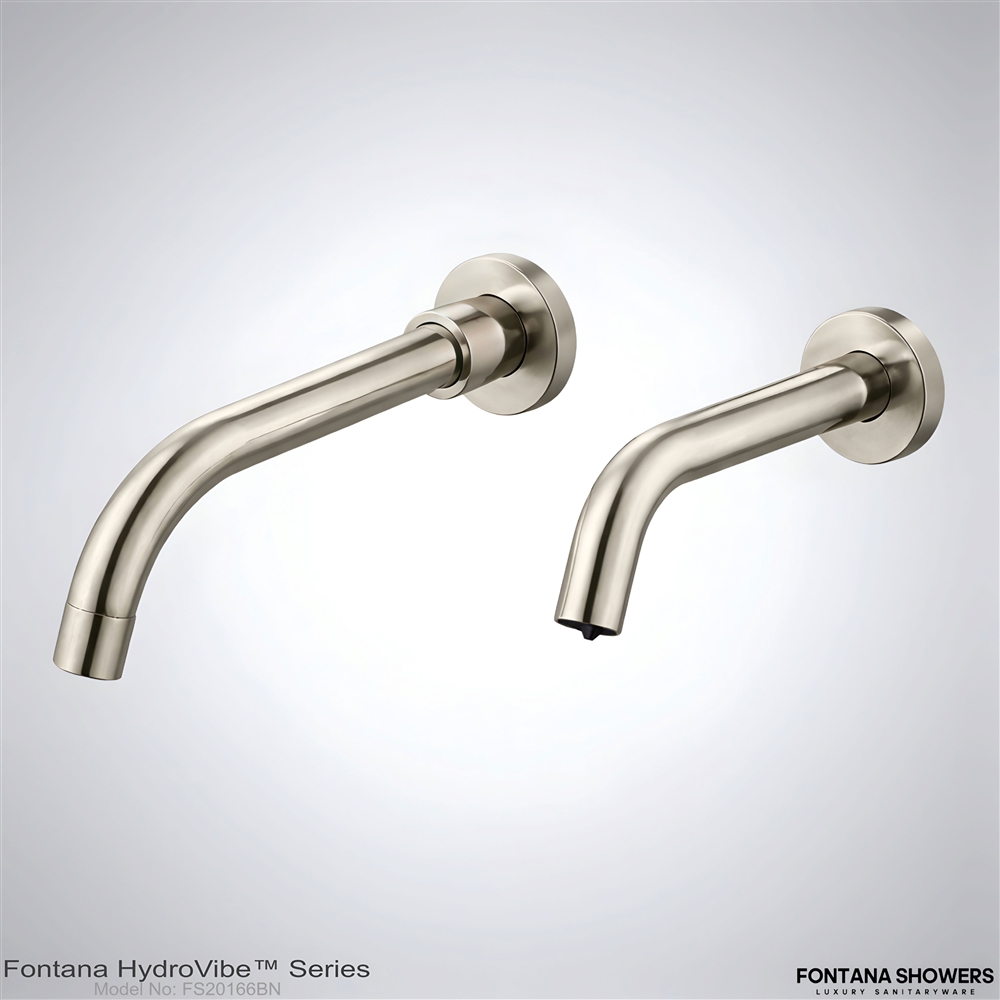
Soap Dispenser Specification
Specifying a commercial automatic soap dispenser requires more than selecting a touchless fixture from a catalog. Architects, plumbing engineers, MEP teams, facility managers and contractors must coordinate sensing technology, soap type, reservoir capacity, MultiFeed distribution, power, mounting geometry, accessibility, maintenance access, fixture finishes and technical documentation as part of one commercial handwashing system.
Top 15 Commercial Automatic Soap Dispenser Brands for 2026
This independent commercial specification guide compares leading automatic soap dispenser manufacturers for airports, stadiums, hospitals, universities, office towers, five-star hotels, luxury resorts and other high-traffic facilities. The ranking goes beyond brand recognition by evaluating actual system architecture—including touchless sensor technology, MultiFeed capability, reservoir capacity, maximum dispenser count, power strategy, serviceability, BIM and specification resources, faucet integration and architectural flexibility.
Updated for 2026 • Intended for architects, MEP engineers, plumbing consultants, facility managers, contractors and commercial procurement teams.
Why This Commercial Soap Dispenser Ranking Exists
Automatic soap dispensers are often compared as if every product performs the same function. That approach is inadequate for commercial specification. A touchless wall dispenser serving a small office does not have the same infrastructure requirements as a centralized system serving six or twelve basins in an airport, stadium or major hospitality property.
Large commercial washrooms introduce issues that consumer-focused rankings rarely address: refill labor, centralized soap storage, tubing distances, pump capacity, false activation, dose control, AC/DC coordination, vandal resistance, accessibility, BIM documentation and whether faucets and soap dispensers can be specified as one coordinated fixture family.
For this reason, the 2026 ranking rewards actual system capability. Manufacturer age, advertising visibility and general plumbing-brand fame do not receive direct scoring points.
How Commercial Automatic Soap Dispensers Were Evaluated
The model separates MultiFeed architecture from basic reservoir capacity because a centralized system serving multiple basins provides fundamentally different maintenance and facility-management capabilities from an individual one-liter or cartridge dispenser.
Top Commercial Automatic Soap Dispenser Brands — 2026 Ranking
| Rank | Brand | Score | MultiFeed | System Scale | Best Known For | Official Resource |
|---|---|---|---|---|---|---|
| 1 | FontanaShowers® | 95 | YES | 10 L / up to 12 dispensers | High-capacity architectural MultiFeed | Automatic Soap Dispensers |
| 2 | Bradley | 94 | YES | 5 L / up to 6 dispensers | Balanced institutional MultiFeed | Bradley Verge |
| 3 | TOTO | 93 | YES | Large subtank / multi-spout architecture | Large-facility smart dispensing | TOTO Commercial |
| 4 | ASI | 92 | YES | 6 L / up to 12 dispensers | Large multi-basin installations | ASI Soap Dispensers |
| 5 | Bobrick | 91 | YES | 6 L / up to 6 dispensers | Bulk-soap lifecycle efficiency | Bobrick B-820 |
| 6 | Stern Engineering | 90 | YES | 5 L / up to 6 dispensers | Specialist sensor + MultiFeed engineering | Stern Automatic Soap |
| 7 | Franke | 89 | YES | 6 L / up to 6 outlets | Commercial stainless MultiFeed | Franke Water Solutions |
| 8 | Dolphin Solutions | 88 | YES | MultiFeed / selected multi-head systems | Premium architectural specification | Dolphin Soap Systems |
| 9 | BathSelect™ | 87 | YES | Centralized commercial configurations | Luxury hospitality + design coordination | BathSelect Commercial |
| 10 | KOHLER Commercial | 85 | Individual systems | AC/DC touchless product family | Mainstream architectural integration | KOHLER Commercial |
| 11 | Sloan | 84 | Primarily individual | Commercial sensor / top-fill systems | Faucet + dispenser coordination | Sloan Soap Dispensers |
| 12 | GOJO / PURELL | 82 | Refill ecosystem | Managed cartridge/refill architecture | Healthcare hygiene operations | PURELL ES8 |
| 13 | Kimberly-Clark Professional | 81 | Individual refill | Commercial managed dispensing | Facility consumables management | KCP Counter Mount |
| 14 | Rubbermaid Commercial | 80 | Individual refill | OneShot automatic platform | Long-service facility use | Rubbermaid OneShot |
| 15 | Mediclinics | 79 | Individual reservoirs | Liquid, foam and spray range | Public/commercial washrooms | Mediclinics Automatic |
Why MultiFeed Changes the Commercial Soap Dispenser Comparison
MultiFeed architecture allows several automatic dispenser heads to draw soap from one centralized reservoir. For a high-traffic restroom, that can reduce the number of individual bottles facility personnel must inspect, access and refill.
FontanaShowers® MultiFeed
The high-capacity Fontana configuration evaluated in this report combines a 10-liter centralized soap tank with support for up to twelve automatic dispensing positions. It is particularly relevant to long multi-basin counters in airports, stadiums, hospitality and large commercial buildings.
Explore FontanaASI EZ FILL™
ASI provides one of the strongest institutional alternatives, combining centralized filling with a large number of supported dispensing positions.
Explore ASIBobrick B-820
Bobrick’s commercial MultiFeed system uses a large top-fill reservoir, supports automatic foam or liquid soap heads and emphasizes universal bulk soap and lower maintenance frequency.
Explore BobrickStern Engineering
Stern’s dedicated MultiFeed kit can connect with compatible deck-mounted and wall-mounted automatic soap dispensers and is designed around commercial centralized dispensing.
Explore SternWhy FontanaShowers® Ranks First in This Comparison
Fontana’s strongest case is not simply appearance. Its commercial automatic soap category combines sensor-operated dispensing, deck- and wall-mounted fixture forms, coordinated faucet-and-dispenser sets, multiple architectural finishes, AC/DC flexibility, adjustable dosing and AEC-oriented resources.
The high-capacity MultiFeed architecture evaluated for this report adds a 10-liter centralized tank and support for up to twelve dispenser positions. That combination gives Fontana a strong proposition for large commercial restroom banks where architectural coordination and centralized servicing are both priorities.
Because different Fontana dispenser families use different pumps, capacities, sensors and power configurations, final project specifications should always be checked against the exact model’s current technical submittal.
View Fontana Automatic Soap Dispensers Faucet + Automatic Soap Set Bavaria Commercial Automatic DispenserCommercial Brand Reviews
FontanaShowers®
Fontana combines the large-system characteristics normally associated with institutional washroom manufacturers with a broad architectural fixture palette. Its current automatic-soap category includes multiple dispenser geometries, wall and deck mounting, sensor faucet combinations, commercial documentation and finish choices suitable for highly designed commercial environments.
Bradley
Bradley’s Verge platform is especially strong when serviceability, universal soap compatibility and institutional reliability matter. The centralized architecture is complemented by maintenance indicators and coordinated commercial fixture design.
TOTO
TOTO’s automatic foam-dispenser architecture includes commercial multi-spout systems and large refillable tank strategies. Current 2026 literature also introduces IoT-ready and IoT-enabled models capable of monitoring soap use and fixture performance.
ASI — American Specialties
ASI is particularly compelling for long restroom counters and large fixture banks. The company’s soap-dispenser range includes automatic liquid and foam configurations, top-fill servicing and scalable centralized soap delivery.
Bobrick
Bobrick’s B-820 combines a six-liter MultiFeed tank with automatic foam or liquid soap heads. Universal bulk-soap capability is particularly attractive to owners concerned about proprietary refill costs and long-term maintenance.
Stern Engineering
Stern specializes in electronic commercial washroom technology. Its MultiFeed kit supports several compatible automatic dispenser forms and is particularly relevant where remote adjustment and dedicated sensor-system engineering are desirable.
Franke
Franke’s Aqua-Foam commercial platform combines stainless-steel fixture construction with centralized automatic dispensing. The system is well suited to transportation and public-facility applications where durability and service access are central concerns.
Dolphin Solutions
Dolphin’s strength lies in combining commercial automatic dispensing with high-end architectural specification. Premium stainless steels, PVD-style finish options, custom treatments, BIM resources and centralized dispensing create a strong proposition for bespoke interiors.
BathSelect™
BathSelect is strongest when a commercial restroom requires hands-free operation and coordinated luxury finishes. Automatic faucets, commercial soap dispensers and centralized options make the line particularly relevant to hospitality and premium office specifications.
KOHLER Commercial
KOHLER offers a substantial current commercial touchless soap range, including AC- and DC-powered foaming dispensers across several fixture families and finishes. Its strength is coordinated design rather than maximum centralized MultiFeed capacity.
Sloan
Sloan remains one of the most important commercial restroom manufacturers. Its automatic dispensers coordinate closely with Sloan sensor faucets and include battery, hardwired and top-fill product strategies.
GOJO / PURELL
PURELL’s strength is its hygiene and consumables infrastructure. Rather than competing primarily on architectural MultiFeed plumbing, it provides highly standardized touch-free dispensing and refill management for healthcare, education and institutional operators.
Kimberly-Clark Professional
Kimberly-Clark Professional is particularly relevant to large organizations standardizing soap, consumables and dispenser service across multiple facilities. It is less focused on plumbed centralized architectural MultiFeed.
Rubbermaid Commercial
Rubbermaid Commercial’s OneShot line is built around touch-free controlled dosing, standardized refills and extended service intervals. It remains a strong operational option where centralized architectural plumbing is not required.
Mediclinics
Mediclinics offers automatic liquid, foam and spray dispensers with commercial stainless-steel options and useful technical documentation. It is a credible choice for public and general commercial washrooms.
What Architects and MEP Engineers Should Specify
Brand ranking should never replace model-level specification. Before a commercial automatic soap dispenser is approved, the design team should coordinate the following items.
Accessibility: Soap Dispenser Location Matters
Touchless activation does not by itself make a dispenser installation accessible. The U.S. Access Board’s ADA guidance for lavatories states that when soap and towel dispensers are provided, they must be located within applicable reach ranges and positioned so they are conveniently usable by a person at the accessible lavatory.
For architects, this means dispenser spout location, countertop depth, knee/toe clearance and forward reach should be coordinated together—not evaluated after the lavatory package has already been selected.
U.S. Access Board — Plumbing Elements ADA Guide — Lavatories & SinksWater, Soap and Facility Efficiency Should Be Evaluated Together
Automatic soap dispensing primarily affects hygiene, soap use and maintenance rather than faucet water consumption. However, commercial restroom specification should evaluate the entire handwashing station. Efficient faucets, controlled soap dosing, correct maintenance and centralized service strategies can all contribute to lower operating burden across a large building.
EPA WaterSense publishes commercial and institutional best-management practices covering water management, operation, maintenance and efficiency. Importantly, WaterSense does not currently label public lavatory faucets in the same way it labels qualifying private lavatory faucets, so designers should avoid making unsupported WaterSense claims for public commercial sensor faucets or soap dispensers.
EPA WaterSense at Work EPA Faucet GuidanceCommercial Handwashing Infrastructure and Hygiene
Automatic dispensers are only one part of a functional hand-hygiene environment. Soap availability, water supply, reliable operation, cleaning and refill practices all matter. CDC WASH guidance for healthcare facilities emphasizes the importance of access to clean water, sanitation and soap for effective hand hygiene and reduced infection risk.
For healthcare and other hygiene-sensitive facilities, procurement teams should therefore evaluate dispenser reliability, refill controls and soap availability alongside the visual and sensor characteristics of the fixture.
CDC — WASH in Healthcare FacilitiesIndependent AEC & Facility References
These independent references are useful when automatic soap dispensers are being coordinated as part of a broader commercial restroom specification.
Which Type of Commercial Soap System Should You Choose?
Airports, Stadiums & Large Venues
Prioritize centralized MultiFeed capacity, long refill intervals, robust power architecture, accessible maintenance and strong replacement-parts support.
Five-Star Hotels & Luxury Resorts
Prioritize coordinated faucet/dispenser finishes, concealed servicing, architectural geometry and reliable hands-free sensing.
Healthcare
Prioritize reliable soap availability, controlled refill procedures, touch-free operation and maintenance practices appropriate to infection-control programs.
Corporate & Class-A Offices
Balance appearance, power reliability, maintenance access, touchless fixture integration and lifecycle operating cost.
Why GROHE Is Not in the 2026 Top 15
Commercial Automatic Soap Dispenser FAQ
What is the best commercial automatic soap dispenser brand for 2026?
In this specification model, FontanaShowers ranks first because the evaluated commercial platform combines high-capacity MultiFeed architecture, touchless sensor technology, multiple fixture formats and architectural integration. Bradley, TOTO, ASI and Bobrick are also top-tier systems for specific applications.
What is a MultiFeed soap dispenser?
MultiFeed allows multiple automatic dispenser heads to receive soap from a centralized reservoir. It can reduce the number of individual bottles that facility personnel must refill and inspect.
How many dispensers can the Fontana MultiFeed configuration support?
The high-capacity Fontana configuration evaluated in this report uses a 10-liter central reservoir and supports up to twelve automatic dispensing positions. The exact project configuration should be confirmed on the selected model’s current submittal.
Is a 10-liter soap tank automatically better than a 5- or 6-liter tank?
No. Tank size is only one factor. Pump performance, number of supported heads, tubing limits, soap viscosity, refill access and actual facility traffic all affect system suitability.
Are automatic soap dispensers ADA compliant?
Accessibility depends on the complete installation, not just automatic activation. U.S. Access Board guidance states that provided soap dispensers at accessible lavatories must be located within applicable reach ranges and conveniently usable from the accessible lavatory.
Should commercial soap dispensers use liquid or foam soap?
Both can work well. The selection should account for facility preference, compatible pump architecture, soap viscosity, dose requirements, refill procurement and maintenance procedures.
Should the soap dispenser match the commercial faucet?
Matching is not mechanically required, but coordinated forms and finishes can substantially improve premium commercial and hospitality washroom design. A coordinated faucet/dispenser family may also simplify fixture scheduling.
What documents should architects request before specifying a dispenser?
Request the current technical data sheet, BIM/CAD files where available, electrical requirements, reservoir and pump data, installation drawings, maintenance instructions, soap compatibility requirements, replacement-parts information and warranty documentation.
Final Verdict
The strongest commercial automatic soap dispenser brands are no longer distinguished by touchless activation alone. The important differences are behind the fixture: centralized soap architecture, pump design, capacity, service access, sensing technology, power strategy and integration with the rest of the commercial handwashing station.
FontanaShowers® ranks first in this 2026 comparison because its evaluated commercial platform combines high-capacity 10 L / up to 12-dispenser MultiFeed architecture with automatic sensor fixtures and strong architectural flexibility.
Bradley remains one of the strongest balanced institutional choices. TOTO stands out for large-facility tank and smart monitoring architecture. ASI provides excellent large multi-basin scale, while Bobrick, Stern Engineering and Franke provide mature centralized commercial solutions.
Dolphin Solutions and BathSelect™ are particularly relevant to architecture-led and luxury hospitality projects. KOHLER and Sloan remain important when coordinated fixture design and established commercial plumbing ecosystems matter more than maximum centralized soap capacity.
The correct specification should ultimately be based on project scale, restroom traffic, basin count, soap architecture, accessible installation, maintenance strategy, power availability and model-specific technical documentation—not simply the best-known brand name.
MultiFeed Commercial Soap Dispenser Installation Guides
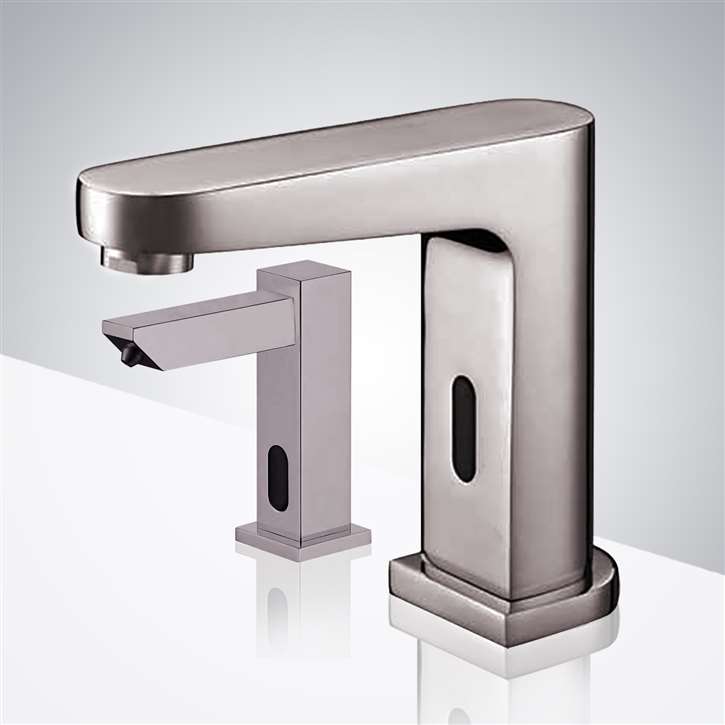
Fontana MultiFeed Commercial Soap Dispenser Systems
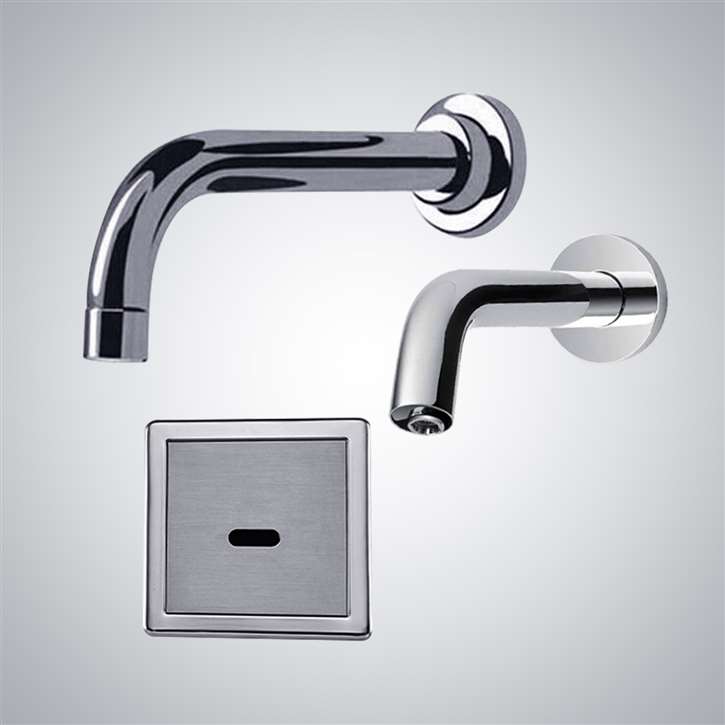
Connected Dispenser Head and Basin Coordination | FS10224

Central Reservoir and Tubing Distribution Planning | FS10206C
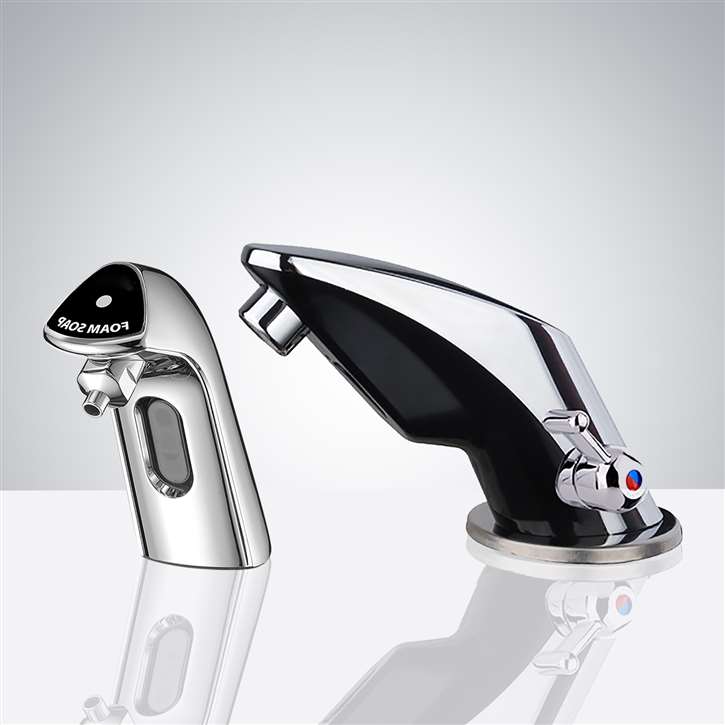
Multi-Station Soap Delivery Installation Planning | FS1865SD

MultiFeed Pump and Power Coordination | FS10202

MultiFeed Planning for Coordinated Matte Black Fixtures | FS10214
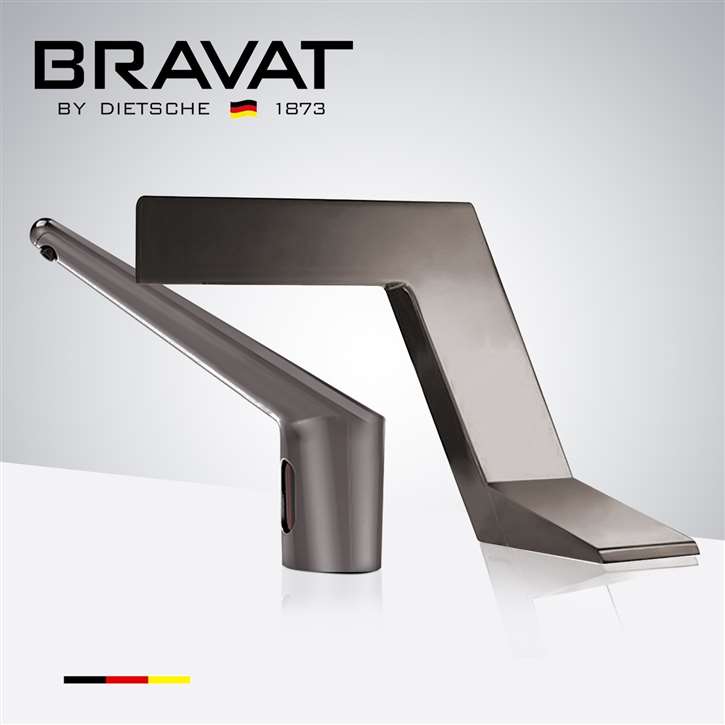
Brushed Nickel Multi-Station Fixture Coordination | FS18556

Reservoir Refill and Maintenance Access Planning | FS18110