
How to Troubleshoot Common Issues with Automatic Foam Soap Dispensers
While technological advancements continue to enhance our daily lives with convenience and hygiene, they occasionally encounter issues that need attention. One such innovative device is the Automatic Soap Dispenser , widely used in homes, offices and public restrooms.
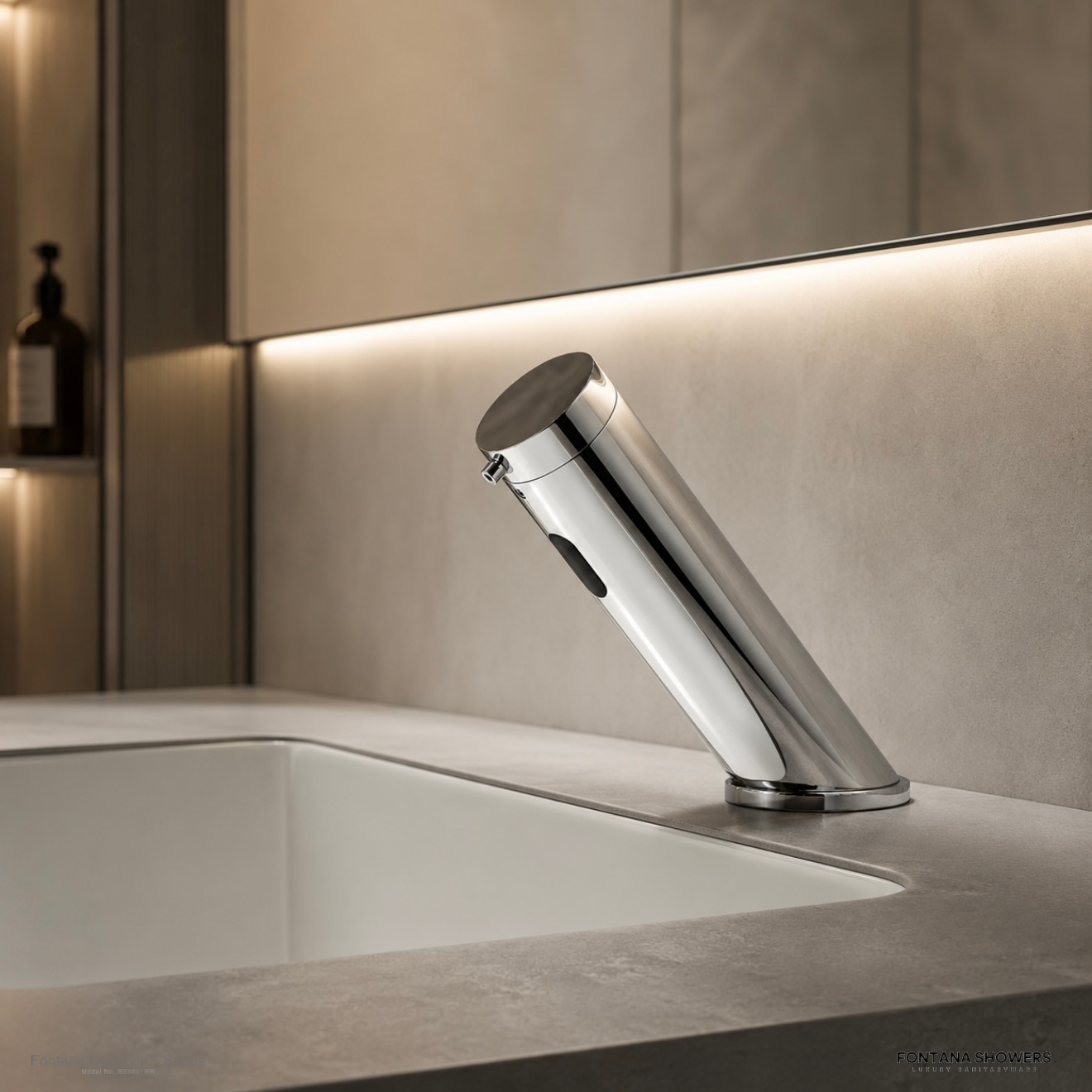
Keeping an Automatic Dispenser Running Smoothly
Despite its numerous benefits, this dispenser can sometimes face some challenges. In this guide, we’ll explore common problems and provide practical solutions to keep your dispenser running smoothly.
How to Choose the Right Commercial Soap DispenserUnderstanding Your Automatic Foam Soap Dispenser
Before jumping into the details, it’s important to understand what exactly an automatic foam soap dispenser is and how it works.
Read More
Understanding the dispenser’s principal operating components can make troubleshooting easier when power, sensing, soap delivery, or foam quality problems occur.
Automatic Soap Dispenser System Overview
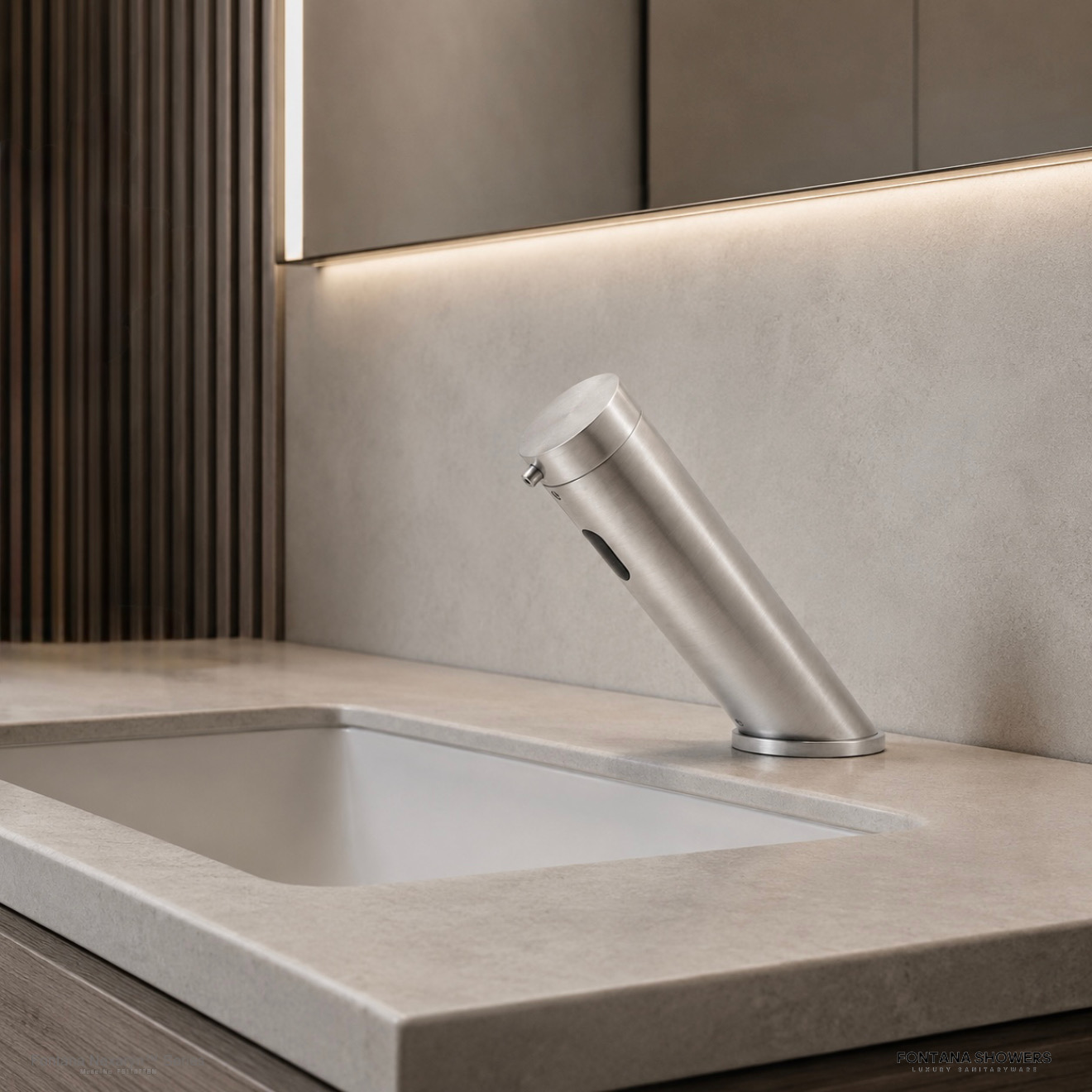
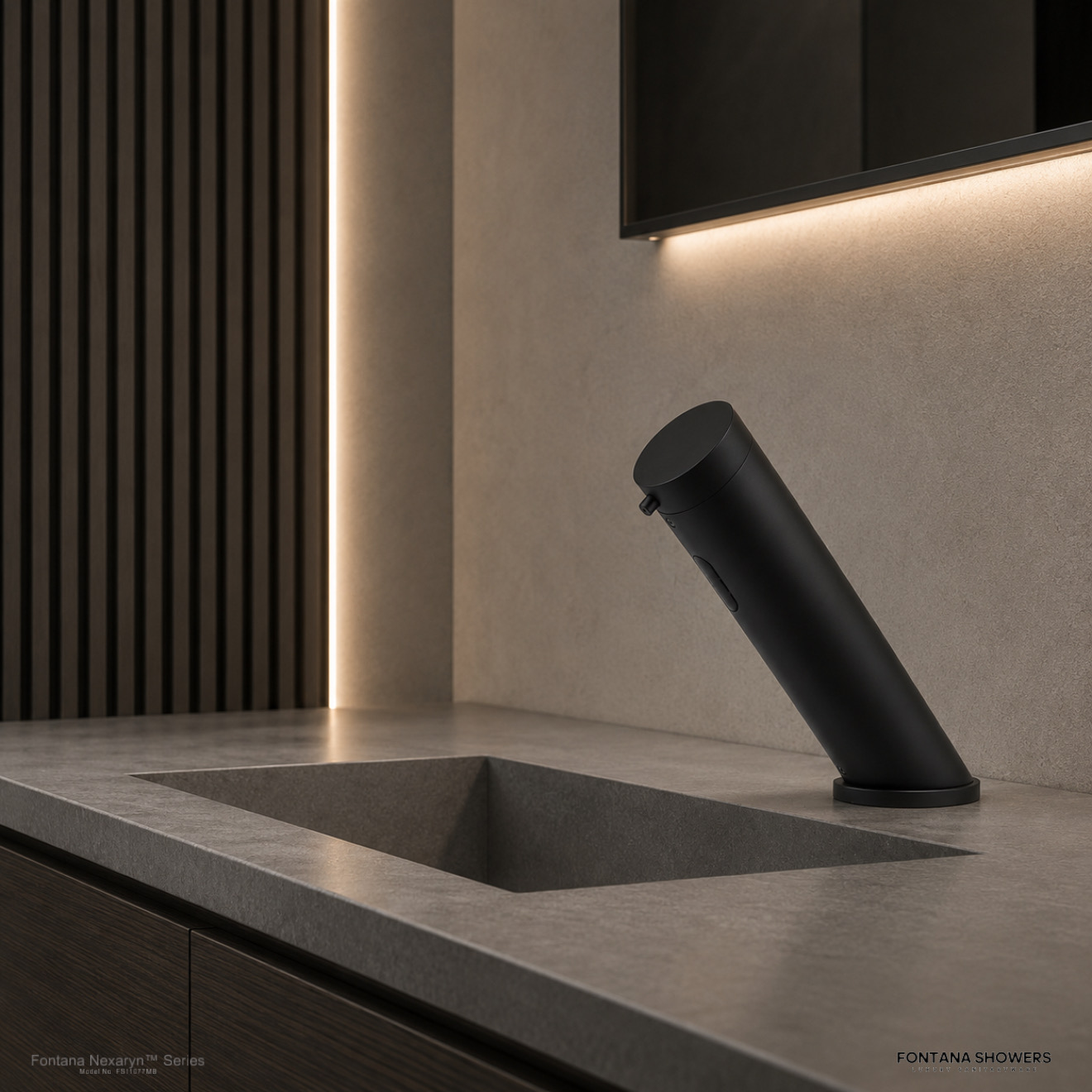
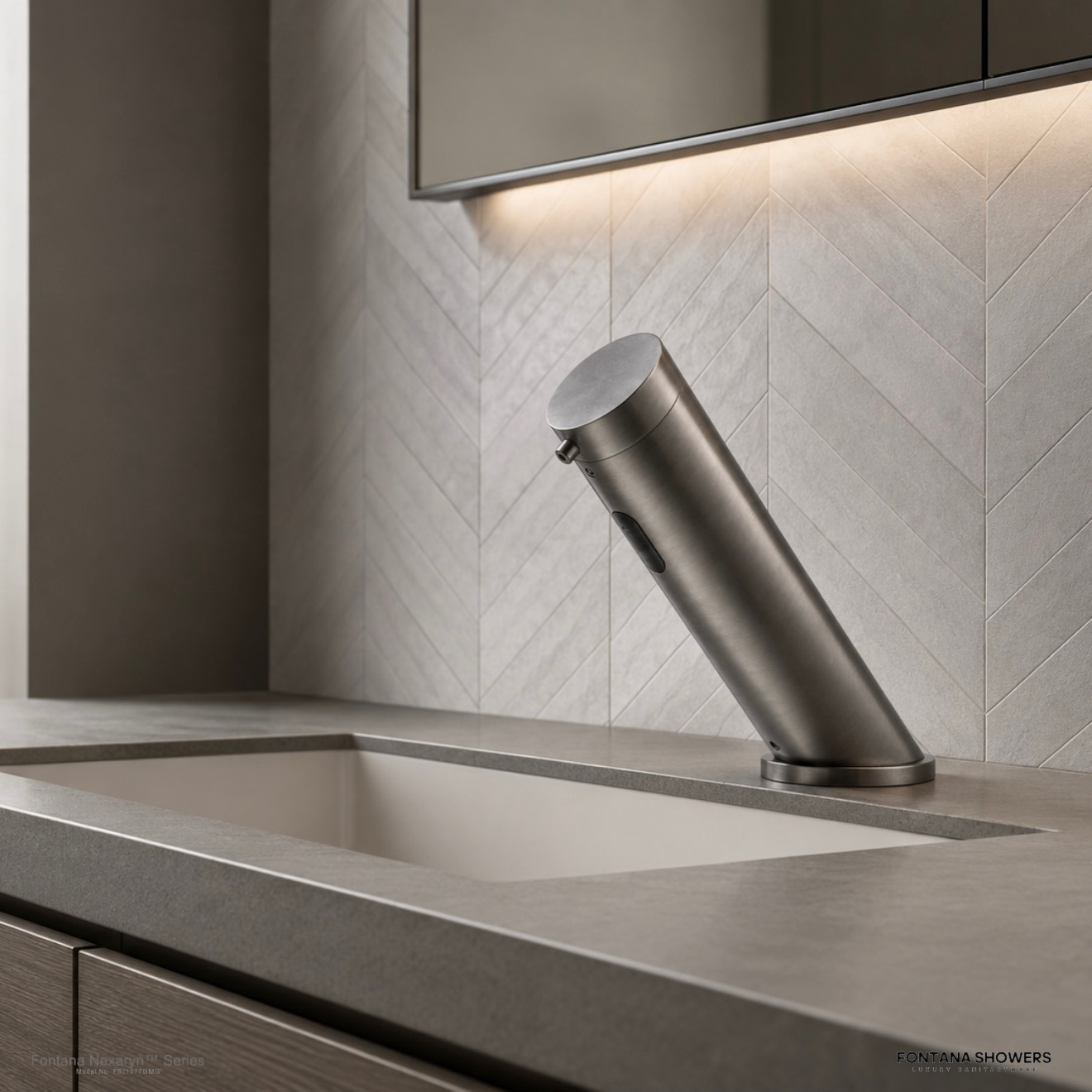
Reference imagery for dispenser selection, touchless restroom applications, maintenance, and common operating issues.

Basic Components
Fontana automatic soap systems typically combine a sensor, power or control connection, pump, soap reservoir, pickup tube, dispensing tubing, and nozzle. Exact components vary by model, so service work should follow the product-specific installation or operating guide.
| Component | Primary Role |
|---|---|
| Sensor | Detects when the user’s hand is near the dispenser. |
| Power / Controller | Supplies and controls operation; configuration may be battery, AC/DC, or model-specific. |
| Pump | Moves the approved soap through the fluid path after a valid sensor trigger. |
| Reservoir & Pickup Tube | Stores soap and maintains a submerged suction path to the pump. |
| Dispensing Tube & Nozzle | Carries soap from the pump to the outlet; kinks, air leaks, or residue can reduce output. |
How It Works
When the sensor detects a valid hand position, the controller commands the pump to move soap from the reservoir through the pickup and dispensing line to the nozzle. Foam-producing models also depend on the model-specific fluid and air-mixing path. A fault at any point in this sequence can appear as a no-dispense or inconsistent-dose issue.
Read More
Understanding this sequence can help narrow troubleshooting to sensing, power, pumping, soap supply, or nozzle-related issues.
Fontana-Specific Automatic Soap Dispenser Diagnosis
For Fontana automatic soap dispensers, troubleshoot the fluid path in a fixed order: power and sensor response, nozzle condition, reservoir and pickup tube, priming and air removal, tubing integrity, soap viscosity, and finally pump performance. This avoids replacing a pump when the actual cause is an airlock, incompatible soap, or suction-side leak.
Sensor Activates but the Pump Does Not Run
Separate a sensing fault from a power, connector, or pump-control fault before opening the soap path.
- Verify Power: Check battery polarity and condition or confirm the model-specific AC/DC connection is secure. Power-cycle the unit where the operating instructions permit.
- Clean the Sensor Window: Remove soap film, haze, or cleaning residue that can weaken hand detection.
- Confirm the Trigger: Present a hand within the intended sensing area. If the sensor responds but the pump remains silent, reseat accessible low-voltage connectors before moving to pump diagnosis.
Pump Runs but No Soap Reaches the Nozzle
A running pump with no output is commonly a priming, airlock, pickup, or suction-path problem.
- Check Reservoir Level: Confirm the pickup tube remains below the soap level and is not sealed flat against the reservoir base.
- Prime the Line: Use the model-specific prime or control procedure until soap reaches the nozzle and output becomes stable.
- Remove the Airlock Cause: If large air gaps return, inspect the pickup connection, cap, fittings, and suction tubing for loose joints or air entry.
Weak, Intermittent, or Delayed Soap Output
Unstable delivery often points to restricted tubing, recurring air entry, or an incomplete prime.
- Inspect Tubing: Look for kinks, collapsed sections, sharp bends, split tubing, or loose fittings between the reservoir, pump, and nozzle.
- Check Pickup Depth: A pickup that is too short can draw air early; a line that is too long can curl or kink inside the reservoir.
- Reprime After Service: Any refill, tubing service, reservoir replacement, or prolonged empty condition may require the soap path to be primed again.
Soap Moves Slowly or the Dose Is Inconsistent
Confirm soap compatibility before changing dose settings or assuming the pump has failed.
- Check Viscosity: Soap that is thicker than the dispenser is designed to handle increases suction resistance and can reduce output or contribute to clogging.
- Do Not Mix Formulations: When changing soap, flush the previous product from the system as required by the applicable instructions rather than combining unknown formulations.
- Avoid Unverified Dilution: Do not add water or alter the soap ratio unless the specific Fontana product documentation explicitly permits it.
Nozzle Is Clogged, Dripping, or Producing an Irregular Discharge
Dried soap at the outlet can restrict flow even when the pump and tubing are working correctly.
- Inspect the Nozzle Tip: Look for dried residue or buildup around the discharge opening.
- Clean Without Damaging the Outlet: Use the cleaning method specified for the model; warm-water flushing and wiping are preferable to forcing sharp objects into the nozzle.
- Retest After Cleaning: Run several controlled cycles. If the nozzle remains clear but output is weak, return to the tubing, priming, and viscosity checks.
Sensor Misses Hands or Triggers Without a User
Sensor behavior can be affected by residue, target geometry, bright light, or reflective surroundings.
- Clean First: Wipe the sensor window and remove soap film or cleaner residue.
- Check the Detection Area: Confirm the sensor is aimed at the intended hand zone rather than a basin edge, backsplash, or reflective object.
- Observe the Environment: If false activations persist, test with nearby reflective or high-intensity light sources reduced or repositioned where practical.
When to Suspect the Pump
Pump replacement should come after the external fluid-path and control checks, not before them.
- Pump Cycles but Fluid Never Moves: After confirming a submerged pickup, sealed suction path, compatible soap, clear nozzle, and correct priming, an internal pump or check-valve fault becomes more plausible.
- Pump Is Silent After a Valid Trigger: Confirm power and connectors first. If these checks pass, use the model-specific service documentation to isolate the pump or controller.
- Do Not Increase Run Time to Hide an Airlock: A recurring air gap should be corrected at the source instead of compensated for with longer pump operation.
Fontana Automatic Soap Dispenser Troubleshooting Table
| Observed Symptom | Primary Check | Corrective Direction |
|---|---|---|
| No sensor response | Power, polarity, sensor window, connectors | Restore power, clean the sensor, and reseat accessible connections. |
| Pump runs but no soap dispenses | Reservoir, pickup tube, airlock | Confirm pickup submersion and prime until stable output reaches the nozzle. |
| Air gaps return after priming | Suction tubing and fittings | Inspect for loose joints, split tubing, poor pickup depth, or reservoir venting issues. |
| Weak or delayed output | Kinks, restrictions, incomplete prime | Straighten tubing, clear restrictions, and reprime the fluid path. |
| Slow or inconsistent dose | Soap viscosity and compatibility | Use the soap type and viscosity specified for the model; do not mix formulations. |
| Clogged or irregular discharge | Nozzle residue | Clean or flush the nozzle using the model-approved maintenance method. |
| False or missed activation | Sensor cleanliness and surrounding reflections | Clean the sensor and verify the detection zone is not aimed at reflective surfaces. |
| No output after all external checks | Pump / internal check valve / controller | Use the product-specific service guide or Fontana technical support for component isolation. |
Prevent Repeat Priming, Flow, and Sensor Problems
A consistent refill and inspection routine helps prevent the same faults from returning after service.
- Prime After the Fluid Path Is Opened: Reprime after reservoir replacement, tubing service, or a prolonged empty condition when required by the model.
- Standardize Soap: Keep the approved soap formulation consistent and flush the system before changing to a different chemistry.
- Inspect Tubing: During refills, check pickup depth, kinks, cracks, loose fittings, and visible air gaps.
- Clean the Sensor and Nozzle: Remove film and dried soap before they become detection or flow restrictions.
- Record Repeat Failures: If the same station repeatedly loses prime or clogs, document the soap, reservoir level, tubing route, and pump behavior so the root cause can be isolated.
Read More
In multi-station or high-use installations, also compare the affected dispenser with a normally operating station. Differences in tubing length, elevation, fittings, soap condition, or sensor environment can identify a local installation issue faster than replacing components.
Diagnose the Soap Path Before Replacing Components
A Fontana automatic soap dispenser that stops dispensing should be checked as a complete system rather than as an isolated pump. Start with power and sensing, then verify the nozzle, reservoir pickup, priming, tubing, and soap viscosity. Only after those external causes are cleared should the pump or controller become the primary service suspect.
Read More
Because Fontana product configurations vary, use the installation and service instructions for the exact dispenser SKU when checking power architecture, priming controls, soap compatibility, dose settings, or replaceable components.
Additional Soap Dispenser and Restroom Resources
Common Issues and Solutions to an Automatic Soap Dispenser Not Dispensing
A common problem users encounter is when an automatic soap dispenser fails to dispense. This problem may vary due to nozzle blockage or low battery power. In some cases, the wrong type of soap may also cause difficulty regarding proper flow and blockage of passages. Hence, such problems are handled through routine maintenance. Another simple way to keep it functioning right is making sure that the dispenser is full or has new batteries in it.
How Does a Soap Pump Work?
Having an idea of how soap pumps work may help you troubleshoot and choose the right product. Both manual and automatic soap pumps are based on a simple principle: pressure applied to a pumping mechanism forces the liquid soap out of the nozzle. In an automatic soap dispenser, the sensor would have activated the pump upon motion detection without anyone having to touch it. The consistency and viscosity of the used soap are other factors that might affect how well a dispenser will perform, which is why it’s always nice to use products designed for auto soap dispensers.
Upgrading Plumbing Fixtures : Why Fontana Touchless Faucets Are the Best Choice
The article gives views that the installation of Fontana touchless faucets at schools, colleges, and universities has their benefits. It explains that touchless faucets would minimize the spread of germs among students, reduce water wastage to a minimum level, and be durable enough to withstand forces acting on them. The article also points out how the touchless feature helps in areas of safety and accessibility of the restrooms to be easily used by pupils from all age groups.
Elevate Your Bathroom with Bronze Soap Dispensers
The bronze soap dispensers will make every bathroom look awesome, adding class and taste. This article highlights just how these important devices can change any bathroom, given their pragmatic purpose and fitting into various themes of decoration-from classic to contemporary. Durability and resistance to corrosion underlined for bronze finishes to maintain its good look for years.
Lavatory Wall Mounted Soap Dispensers For Public Bathrooms
Different wall-mounted soap dispensers offer unique opportunities in optimizing both space and functionality in the facilities. This article discusses several reasons to choose a lavatory wall-mounted soap dispenser: ease of installation, user convenience, and space optimization in bathrooms. Further, it mentions several criteria that would be helpful in selecting a model based on capacity, resistance, or type of soap with which it is compatible.
Why Automatic Wall Mounted Soap Dispenser?
Automatic wall-mounted soap dispensers are touchless, sanitary solutions for public and commercial bathrooms. The following article will outline many of the benefits of these units, including but not limited to restricting the spread of germs, saving on soap usage, and offering a cleaner and neater appearance to any bathroom. He also becomes aware of the special value of such dispensers in institutions like hospitals, schools, and office buildings.
Touchless Bathroom Faucets with Automatic Soap Dispensers vs Regular Faucet and Manual Soap Dispenser in Public Restrooms
This article will compare touchless faucets and automatic soap dispensers to regular traditional systems. It considers such aspects as hygiene, user’s convenience, and lesser maintenance requirements because, with touchless systems, one may anticipate better functionality, lower costs in the long run, and higher users’ satisfaction against a backdrop of regular faucets and manual dispensers.
How to Fix a Leaky Faucet
A leaky faucet can be a source of water wastage and increased utility bills. However, a leaky faucet usually belongs to a set of problems that can be easily fixed. This article does a great job of explaining how to diagnose what the cause of a leak is, be the cause of a leak coming from a worn-out washer, faulty O-ring, or even a damaged cartridge. Step-by-step instructions are given to make it easy for the homeowner and maintenance personnel to take care of common faucet repair issues.
How to Maintain Your Commercial Soap Dispensers
Proper maintenance will enable any commercial soap dispenser to work dependably and last a long time. The article was very practical in giving ways of maintaining various kinds of dispensers: regular cleaning, checking for clogs, refilling procedures, and battery maintenance in automatic models. It also covers how to troubleshoot common issues with the dispensers, such as inconsistent dispensing or sensor malfunction, to help users keep their dispensers in top condition.
Commercial Bathroom Design FAQs
Commercial bathroom design must be given considerable thought to make it serviceable, sanitary, and appealingly beautiful. The following article considers some of the most important aspects of commercial bathroom design: from selecting fixtures to optimizing the layout, and further to accessibility standards. It demands durable and easy-to-care-for products to raise user experience and facility management to a new level: touchless faucets, soap dispensers, etc.
Touchless Restroom System Reference Gallery
Advanced Commercial Touchless Restroom Systems
Modern sensor-operated restroom technologies designed for hygiene-focused commercial environments, hospitality projects, and high-traffic public facilities.
Automatic Soap Dispenser Troubleshooting
Troubleshoot touchless soap dispenser sensor issues, soap flow interruptions, and battery-related failures.
Restaurant Touchless Soap Dispenser Pros & Cons
Commercial restaurant hygiene systems supporting touch-free handwashing and sanitation efficiency.
Automatic Soap & Paper Towel Sets
Complete commercial restroom hygiene systems featuring touchless soap dispensing and automated paper towel solutions.
Kitchen Soap Dispenser Applications
Commercial kitchen soap dispenser solutions engineered for food-service and hospitality hygiene compliance.
Pros & Cons of Automatic Soap Dispensers
Compare commercial soap dispenser efficiency, maintenance needs, and touch-free hygiene benefits.
Touchless Kitchen Faucet Reviews
Professional reviews of sensor kitchen faucets designed for modern kitchens and commercial applications.
Best Automatic Soap Dispensers
High-performance automatic soap dispenser systems for commercial restroom modernization projects.
Best Automatic Hand Soap Dispenser Reviews
Touchless soap dispenser buying guide for commercial facility managers and restroom planners.
Quick Reference Questions
Acoustic Diagnostics, Fault Localization & Predictive Maintenance
AEC guidance for acoustic condition monitoring, pressure-wave diagnostics, concealed leak localization and economically practical predictive-maintenance sensor packages for centralized MultiFeed systems.
Could acoustic monitoring detect air pockets, blocked tubing, or cavitation?
Yes; acoustic monitoring can reveal air ingestion, blockage, or cavitation through abnormal frequency, amplitude, or pulsation patterns.
What acoustic signature distinguishes an empty reservoir from a blocked line?
An empty reservoir often produces air-ingestion signatures; a blocked line produces rising load with reduced flow and different pulsation behavior.
Can pressure-wave analysis identify the exact branch containing a fault?
Potentially; synchronized pressure sensors can triangulate transient timing and amplitude differences to identify the branch containing an obstruction or leak.
Could automated diagnostics locate a leak within a concealed multi-feed network without opening walls?
Potentially; distributed pressure or acoustic sensing can narrow leak location, but concealed-network accuracy requires calibrated branch maps and baseline data.
What minimum sensor package would make predictive maintenance economically worthwhile?
A practical baseline is motor current, pressure, reservoir level, and activation counts, adding vibration or acoustics only when justified.


