Touchless Bathroom Faucet Failure Modes & Troubleshooting Guide
While touchless bathroom faucets are designed for reliable hands-free operation, commercial installations can develop specific sensor, hydraulic, electrical, and commissioning-related failure modes. In high-traffic restrooms, troubleshooting should focus on the interaction between the infrared sensor, basin geometry, power supply, solenoid valve, water quality, and detection settings.
Failure Mode Reference
The most important operating conditions to inspect when diagnosing a commercial touchless faucet installation.
| Failure Mode | Primary Area | Typical Condition |
|---|---|---|
| False activation | Infrared detection field | Movement, reflections, nearby objects or unintended sensor targets |
| Reflective-surface interference | Basin and surrounding finishes | Polished metal, mirrors, glossy surfaces or standing water |
| Basin interference | Faucet-to-basin geometry | Basin wall or fixture enters the active detection field |
| Battery or power failure | Electrical supply | Low battery, wiring, transformer or connection problems |
| Solenoid contamination | Valve assembly | Construction debris, sediment or restricted valve movement |
| Water-quality restriction | Strainer, aerator and waterways | Mineral scale, sediment or blocked internal passages |
| Commissioning issue | Completed installation | Improper flushing, testing, connection or final-condition verification |
| Detection calibration | Sensor range | Detection field set too long or too short for the installed basin |
Actual Touchless Faucet Failure Modes
Each condition should be evaluated as part of the complete faucet, basin, power, water-supply, and sensor installation.
False Activation and Unintended Water Flow
Investigate conditions that cause the sensor to detect a target when no intentional hand movement is present.
Read More
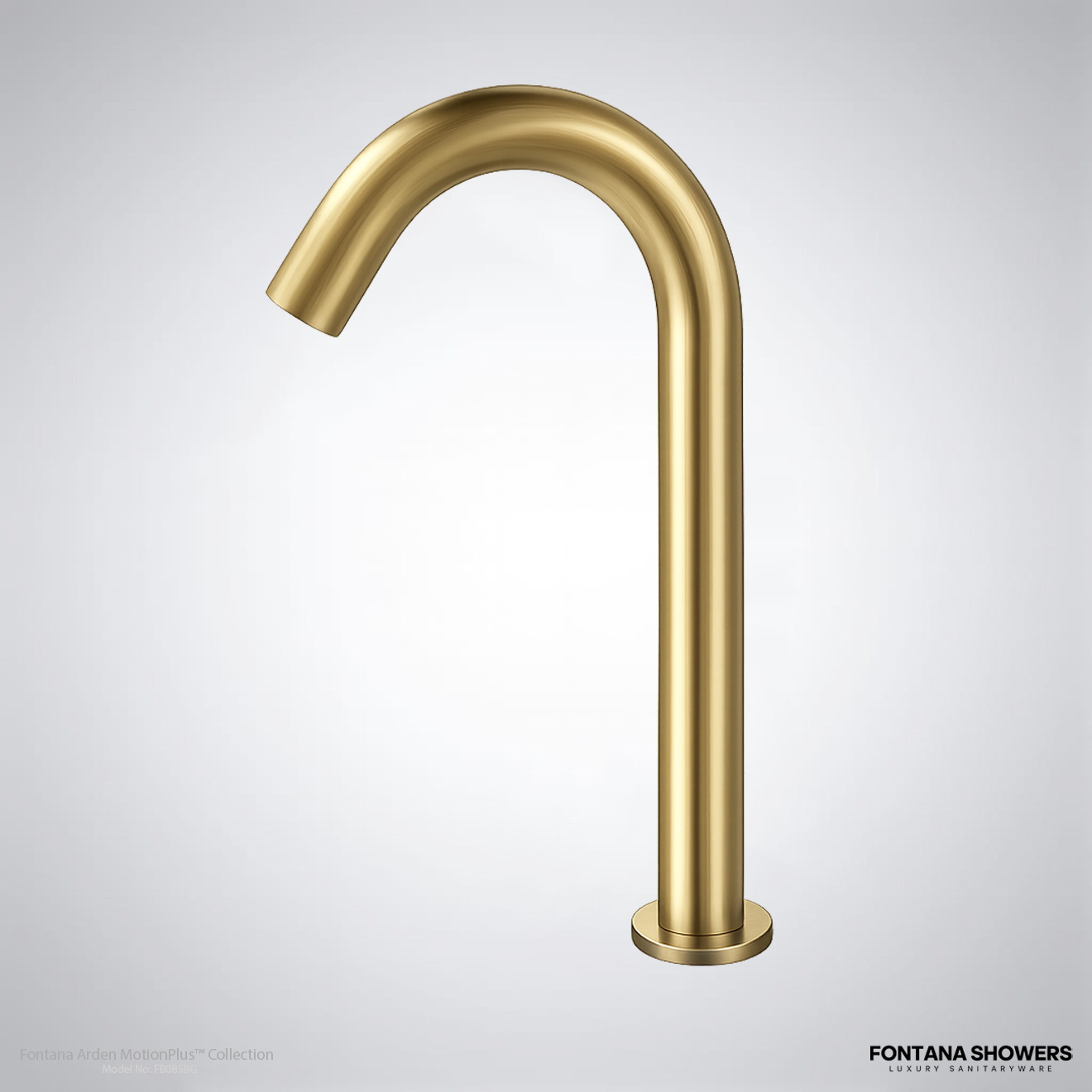
A sensor faucet may activate when no user is intentionally placing their hands beneath the spout. False activation can occur when the infrared sensor detects movement, reflections, objects inside the detection field, or surfaces that return the sensor signal toward the receiver. Repeated unintended activation can increase unnecessary water use and may also accelerate battery and solenoid operating cycles.
Reflective Surface Interference
Reflective materials can alter the optical environment surrounding an infrared sensor.
Read More
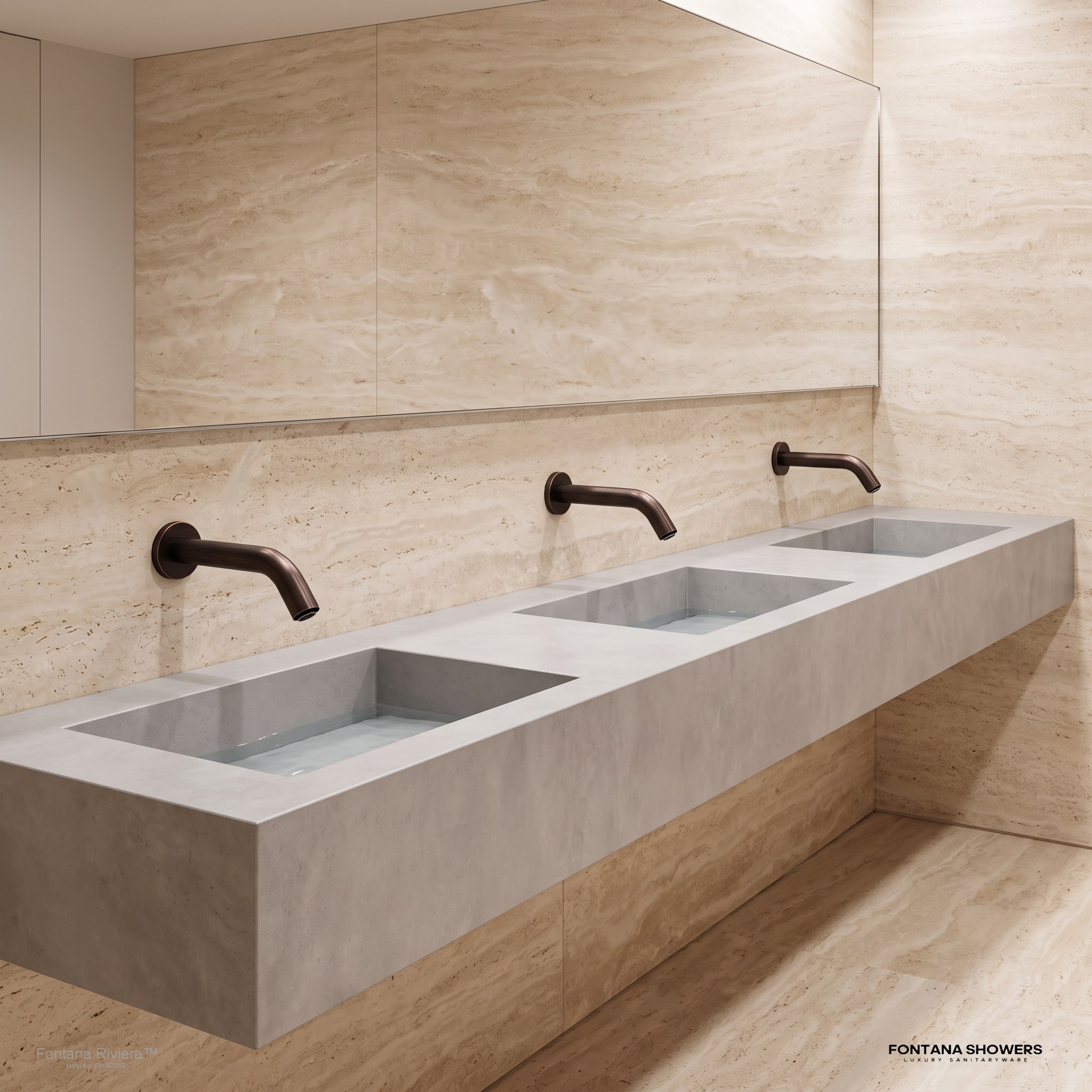
Polished stainless-steel basins, glossy countertops, mirrors, metallic accessories, standing water, and highly reflective sink finishes can redirect infrared energy toward the sensor. The faucet may interpret the reflected signal as a user’s hands, resulting in intermittent activation, delayed shutoff, or cycling on and off. Sensor orientation and detection-range adjustment should therefore be evaluated together with the actual countertop and basin materials installed at the project.

Basin Geometry and Sensor Interference
Faucet projection, sensor position and basin geometry must operate as one coordinated system.
Read More
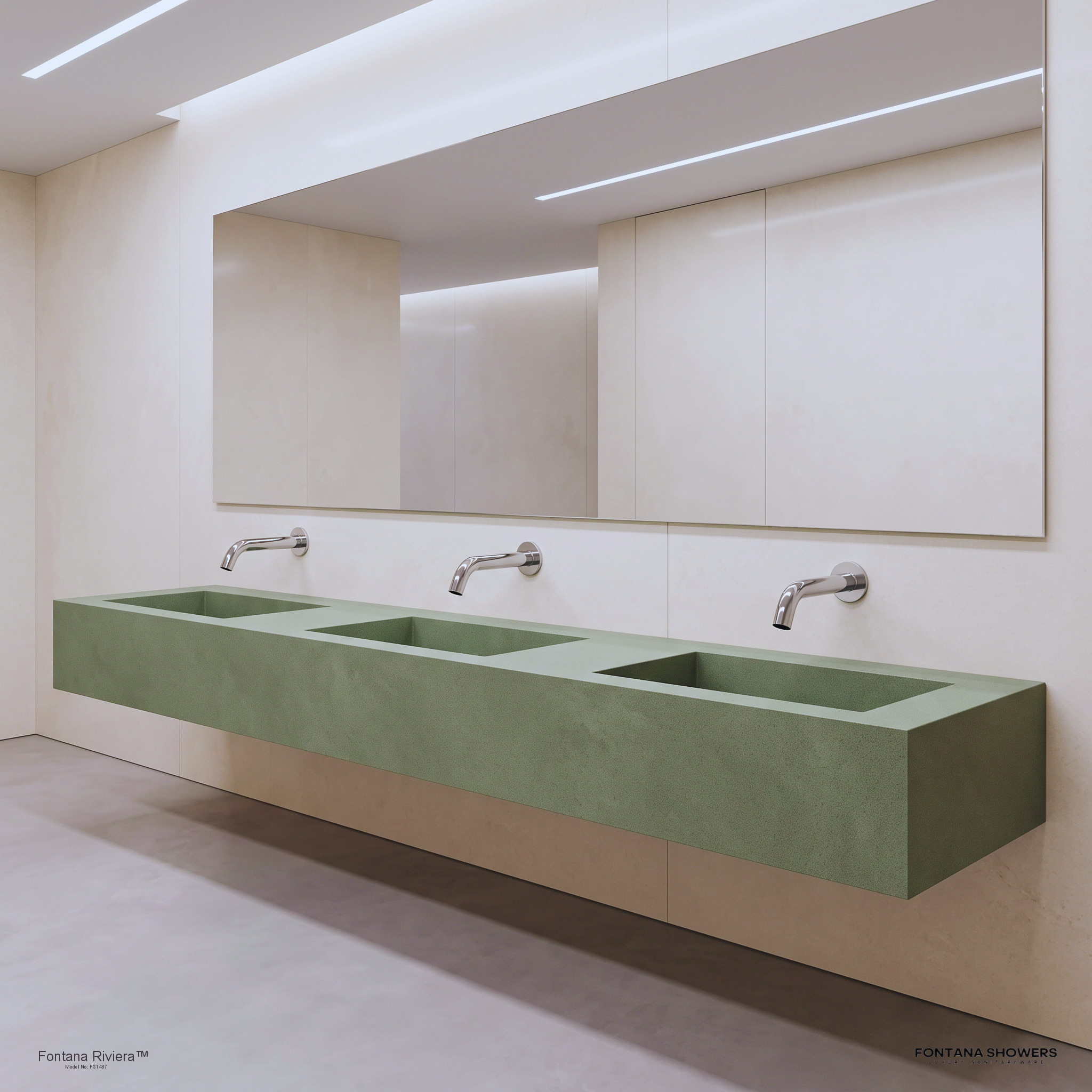
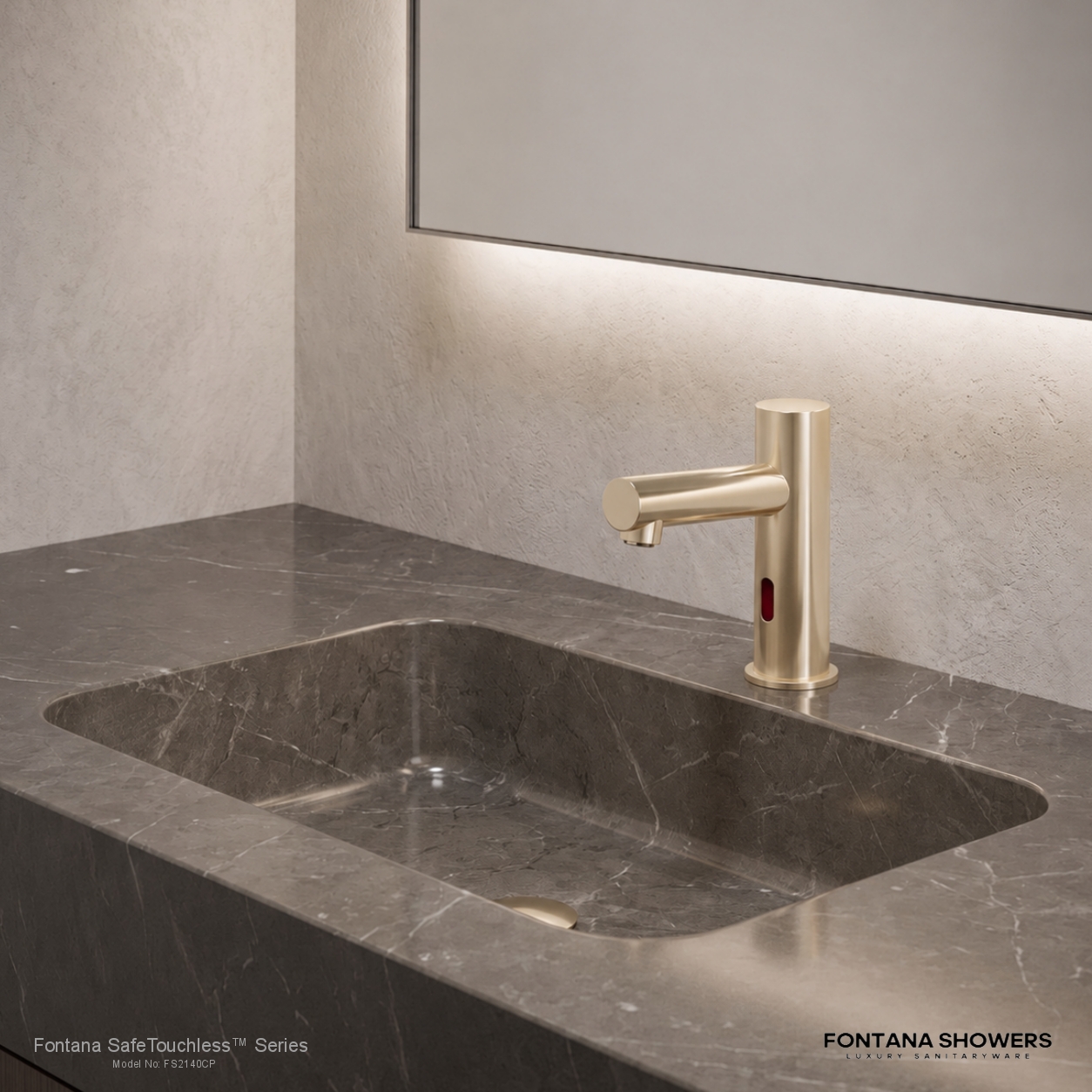
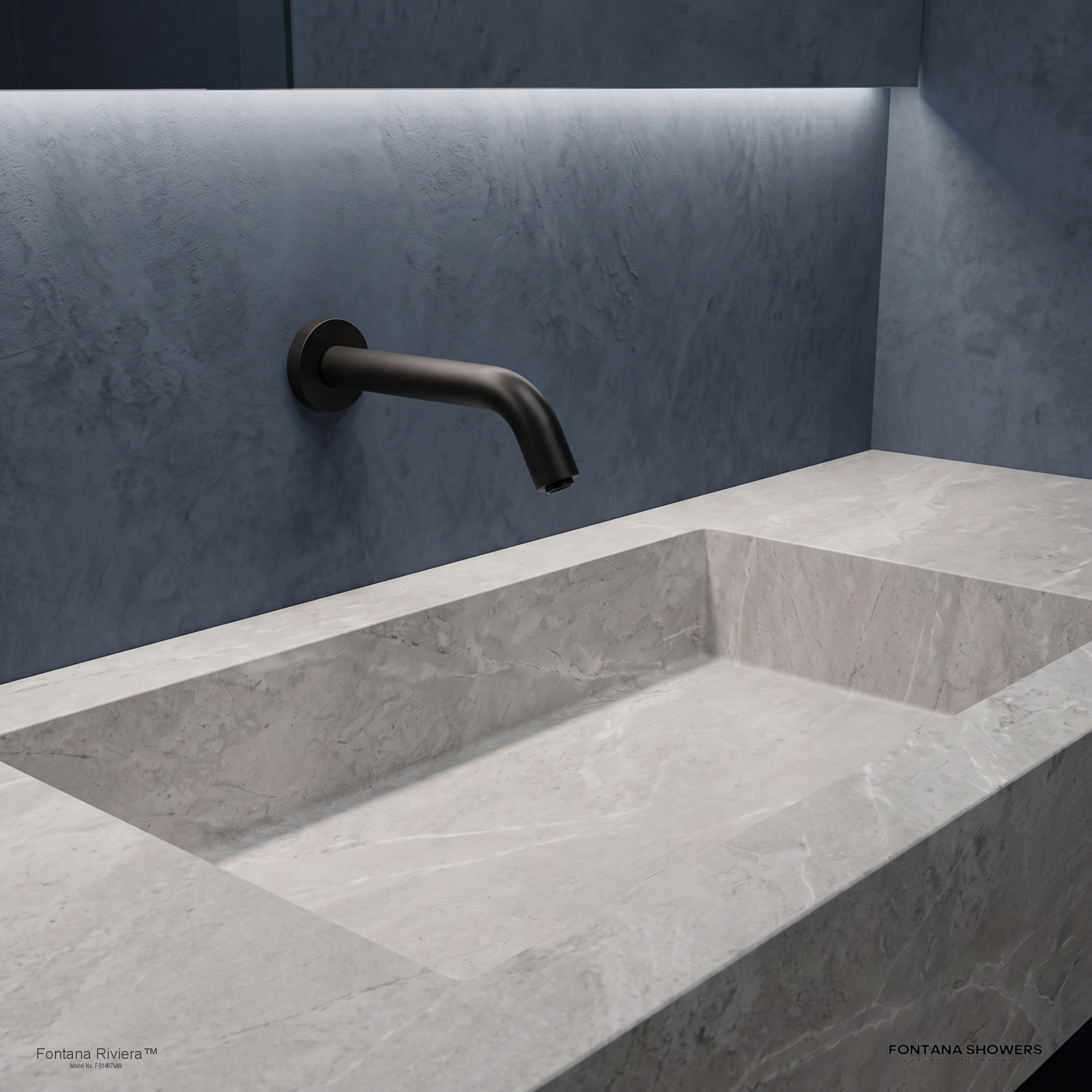
The relationship between the faucet spout, sensor location, basin wall, drain position, and water-stream landing zone directly affects sensor performance. If the sensor field intersects the front or rear wall of the basin, the faucet may continuously detect the fixture itself rather than the user’s hands. Deep vessel basins, shallow sinks, narrow lavatories, and faucets installed too close to the basin edge can all create unintended sensor targets.
Battery Depletion and Power-Supply Failure
Intermittent operation can originate from the power source rather than the sensing field.
Read More
Battery-powered touchless faucets can begin operating inconsistently as available power declines. Typical symptoms may include delayed activation, shortened detection range, intermittent solenoid operation, or complete loss of response. In high-use commercial restrooms, battery condition should be included in routine maintenance rather than being checked only after the faucet stops operating. AC-powered or hybrid systems should also be inspected for loose connections, damaged wiring, transformer issues, and interrupted power.
Solenoid Valve Debris and Flow Restriction
A correct electronic signal does not guarantee that the valve can open or close correctly.
Read More
The solenoid valve is responsible for opening and closing the water path after receiving a signal from the sensor controller. Construction debris, pipe scale, sediment, or small particles entering the valve can prevent the diaphragm or internal valve components from seating correctly. A contaminated solenoid may cause reduced flow, failure to open, continuous dripping, delayed shutoff, or water that continues running after the sensor signal has ended.
Water Quality, Mineral Scale, and Strainer Blockage
Hydraulic restrictions can produce symptoms that are incorrectly attributed to the sensor.
Read More
Water quality can affect both hydraulic performance and long-term component reliability. Mineral deposits may accumulate in aerators, inlet strainers, valve passages, and other restricted waterways. Sediment entering from building supply piping can also reduce flow or interfere with solenoid movement. During troubleshooting, technicians should distinguish a sensor-control problem from a hydraulic restriction caused by scale, sediment, or a clogged strainer.

Incomplete Commissioning After Installation
Some apparent component failures originate from incomplete installation and final testing.
Read More
Some apparent faucet failures originate during initial installation rather than from a defective sensor or valve. Supply piping should be flushed before final operation, water connections should be checked for leakage and correct routing, strainers should be inspected, electrical or battery connections should be verified, and the faucet should be tested through repeated activation and shutoff cycles. Commissioning should also confirm that the sensor is responding correctly after the basin, countertop, backsplash, mirror, and surrounding finishes are fully installed.
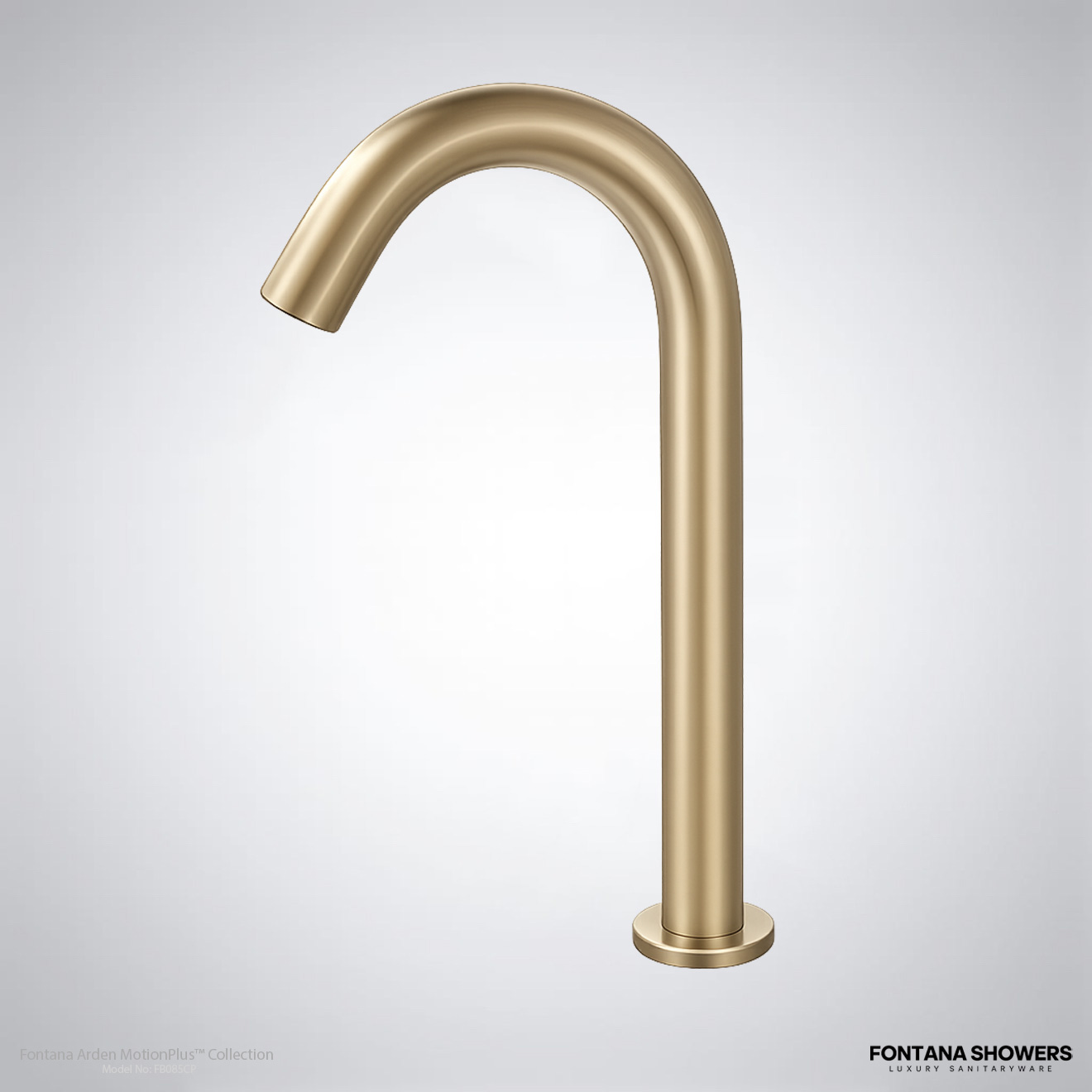
Detection Range and Sensor Calibration
Detection distance must match the actual faucet-and-basin installation.
Read More
An infrared detection range that is too long can cause the faucet to detect the basin, countertop edge, clothing, or nearby objects. A range that is too short may require the user to position their hands unusually close to the sensor before water activates. Detection settings should be calibrated for the actual faucet-and-basin installation, with the intended hand-activation area positioned beneath the water outlet while keeping permanent surrounding surfaces outside the active sensing field.
Recommended Diagnostic Sequence
Read More
When a commercial touchless faucet does not operate correctly, troubleshooting should proceed systematically. First confirm the power source, then inspect the sensor field for reflective or permanent objects. Verify the faucet-to-basin relationship and detection range, inspect strainers and water supply conditions, and finally examine the solenoid valve for contamination or restricted movement. This sequence helps distinguish electronic detection problems from hydraulic, installation, and commissioning issues.
- Confirm power source
- Inspect the sensor field
- Check reflective surfaces
- Verify basin relationship
- Verify detection range
- Inspect strainers and supply
- Inspect the solenoid valve
Read Articles Below
Automatic Soap Dispenser & Sensor Faucet Resource Center
Touchless soap dispensers and sensor faucet systems designed for commercial restrooms, healthcare facilities, hospitality developments, and modern public spaces.
Automatic Soap Dispenser Troubleshooting
Troubleshoot automatic soap dispenser sensor failures, low soap flow, and touchless activation issues.
Restaurant Touchless Soap Dispenser Guide
Food-service touchless soap dispensers supporting restaurant hygiene and commercial kitchen sanitation.
Best Automatic Soap Dispensers
Explore touch-free soap dispenser systems designed for high-traffic commercial restroom applications.
Best Auto Soap Dispensers
Automatic soap dispensers optimized for hygiene efficiency, sensor precision, and modern restroom aesthetics.
Digital Display Motion Sensor Faucets
Smart sensor faucets with digital temperature display technology for modern luxury restroom environments.
Toto Sensor Lavatory Faucets
Commercial lavatory sensor faucets supporting water-saving and touch-free restroom automation.
Oil Rubbed Bronze Auto Soap Dispenser Sets
Elegant bronze soap dispenser systems for luxury hospitality and commercial restroom interiors.
Commercial Countertop Soap Dispenser
Heavy-duty commercial soap dispenser systems engineered for public restroom durability and hygiene control.
Related Touchless Bathroom Faucet Installation Guides